Disclosure: Classy Floor is reader-supported. As an Amazon Associate, we earn from qualifying purchases. We may also earn commissions from other affiliate programs, at no additional cost to you. Learn more →
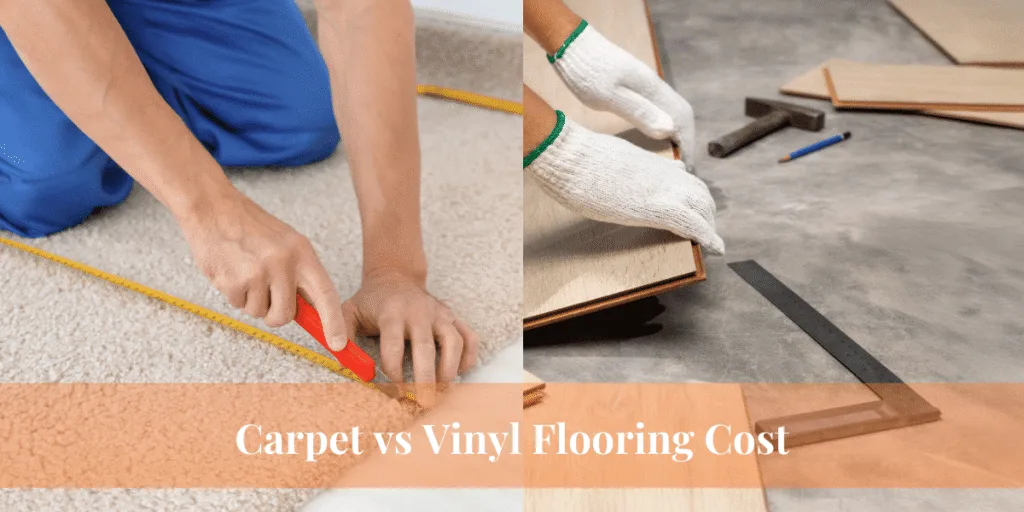
Comparing carpet vs vinyl flooring cost: carpet generally has a lower upfront price per sq. ft. but higher maintenance and potential replacement costs, especially in high-traffic areas. Vinyl (including LVP/LVT) often costs slightly more to buy/install yet offers better durability, water-resistance, and longer lifespan, reducing lifetime expense. Choose carpet for budget comfort; choose vinyl for cost-efficient performance and easy care.
Carpet vs vinyl flooring is one of the most common cost questions for U.S. homeowners planning a remodel. Both materials can look good and feel comfortable, but their total cost of ownership depends on more than the price tag on the box. Installation, subfloor prep, maintenance, replacement cycles, and even indoor air quality all play a role in how much you’ll actually spend over the life of the floor.
This guide walks through carpet vs vinyl flooring cost step by step, using national average price ranges as a starting point. You’ll see how material, labor, cleaning, and lifespan compare for broadloom carpet, carpet tiles, sheet vinyl, LVP, and LVT. We’ll also look at room-by-room recommendations, rental property considerations, and what designers and contractors pay attention to when they spec flooring.
Carpet vs vinyl flooring cost at a glance
On average in the U.S., installed carpet costs around $2–$8 per square foot, while vinyl plank and tile typically run $4–$16 per square foot installed, depending on quality, subfloor work, and local labor rates. Carpet delivers soft comfort and strong sound absorption at a lower starting price. Vinyl provides waterproof protection, better scratch resistance, and a longer service life, especially in high-traffic or moisture-prone rooms.
If you want to compare real-world options as you read, you can check current pricing for residential carpet rolls and cuts and waterproof luxury vinyl plank flooring.
Bedrooms and living rooms often benefit from carpet’s warmth and noise control, particularly in cooler climates or multi-story homes. Kitchens, bathrooms, basements, and most rentals lean toward vinyl because it tolerates spills, mopping, and pet accidents with less risk of stains, odors, or mold. The more a room sees water, dirt, or heavy use, the more likely vinyl will win on long-term value.
Quick verdict overview
- Best upfront budget pick: Broadloom carpet in dry rooms (bedrooms, some living rooms).
- Best long-term value: Mid-grade LVP/LVT in kitchens, baths, basements, and rentals.
Key differences (compact comparison)
| Category | Waterproof, scratch/stain-resistant, very durable | Vinyl (LVP / LVT / sheet) |
| Typical installed price | $2–$8 / sq ft | $4–$16 / sq ft (LVP/LVT); $1–$4 for sheet |
| Core benefits | Soft, warm, strong sound absorption | Waterproof, scratch/stain resistant, very durable |
| Best suited for | Bedrooms, living rooms, low-moisture areas | Kitchens, baths, basements, rentals, pet households |
| DIY potential | Limited; stretching usually needs pros | Click-lock LVP/LVT often DIY-friendly |
| Main limitations | Stains, odors, moisture damage, allergens | Subfloor flaws show; quality varies by wear layer |
Who should pick which?
Choose carpet if you want comfort in bedrooms and living rooms, rarely deal with spills, and need to keep the upfront budget down. Carpet tiles can also be smart in kids’ rooms or rentals where localized stains are common, because you can swap out individual squares instead of replacing a whole room.
Opt for vinyl plank or tile if you have pets, children, frequent guests, or moisture-heavy rooms. Waterproof construction, easier cleaning, and longer wear layers mean fewer replacements. For homeowners planning to sell, modern LVP/LVT often aligns better with buyer expectations for low-maintenance, hard-surface flooring, while freshly installed neutral carpet can still make bedrooms feel welcoming.
Cost breakdown: material, installation, labor, and maintenance
Understanding carpet vs vinyl flooring cost means looking at more than just sticker price. Material grade, underlayment, subfloor leveling, and labor complexity can shift your budget up or down by thousands of dollars on a whole-home project. If you’re trying to decide whether carpet really ends up cheaper than other flooring options, it helps to zoom out and compare total installed cost, lifespan, and maintenance side by side.
Material cost per square foot (broadloom, carpet tiles, LVP, LVT, sheet vinyl)
Carpet materials in the U.S. generally range from about $1 to $6 per square foot, depending on fiber and construction. Polyester sits at the low end, nylon in the mid-range, and wool commands the highest price. Dense, low-pile carpets with higher face weight usually cost more but wear better. Carpet tiles tend to run slightly higher in material cost than broadloom, but they can save money later because individual tiles can be replaced when damaged.
Vinyl flooring runs from budget sheet vinyl at roughly $1–$4 per square foot up to LVP and LVT at $2–$7 per square foot, with premium, design-focused products reaching $10–$15 per square foot. Thicker boards with rigid SPC/WPC cores and wear layers above 20 mil cost more but significantly extend the product’s lifespan and appearance.
Below is a simplified look at material-only cost ranges:
Material-only cost table
| Product | Typical material cost ($/sq ft) | Key cost drivers |
| Broadloom carpet | $1 – $6 | Fiber type (polyester, nylon, wool), density, face weight |
| Carpet tiles | $2 – $7 | Modular design, commercial-grade backing, pattern options |
| Sheet vinyl | $1 – $4 | Thickness, printed design, basic vs cushioned backing |
| Luxury vinyl plank (LVP) | $2 – $7 standard; up to $15 premium | Total thickness (mm), wear layer (mil), realistic textures |
| Luxury vinyl tile (LVT) | $2.50 – $8+ standard | Stone or ceramic visuals, bevels, groutable edges, wear layer |
These ranges are national averages. Local pricing, sales, and brand promotions can shift your actual material cost up or down.
Installation and labor cost: what drives the price
Installation often doubles or even triples the material cost, especially when subfloors need extra work. The more cuts, seams, stairs, and doorways a room has, the more time and skill your installer needs to do the job correctly.
- Carpet installation typically runs around $2–$8 per square foot all-in, including basic pad and labor. Costs rise with premium pad density, complex room shapes, and stairs. Removing old carpet or flooring usually adds about $1.50–$2.50 per square foot.
- Vinyl installation averages $2.50–$13 per square foot. Sheet vinyl sits at the low end when rooms are simple and subfloors are smooth. Premium LVP/LVT with careful layout, pattern matching, and extensive subfloor prep reaches the higher end of the range.
Click-lock LVP and some floating LVT systems are realistic DIY projects for experienced homeowners, particularly in rectangular, open spaces.
If you’re going the DIY route, a basic flooring installation kit and appropriate vinyl underlayment can make the job smoother and help your floor feel more solid underfoot. Self-leveling or patch compound is also useful if your subfloor has dips or low spots.
Broadloom carpet, by contrast, typically requires professional stretching and seaming to avoid ripples, bubbles, and premature wear.
Common add-on costs
Besides material and base labor, most flooring projects include extra line items that can add 10–30% to your total budget.
| Task | Typical add-on cost | Why it matters |
| Carpet removal & disposal | $1.50 – $2.50 / sq ft | Hauling, landfill fees, and extra labor for tear-out |
| Subfloor patching/leveling | $0.50 – $2.00 / sq ft | Essential for vinyl; uneven subfloors telegraph through |
| Underlayment (vinyl) | $0.30 – $1.00 / sq ft | Adds sound and thermal comfort; often required by warranty |
| Carpet pad | $0.50 – $1.00 / sq ft | Improves comfort and extends carpet life |
| Stairs | $10 – $45 per stair | Extra cuts, wrapping, and precision work |
When you request quotes, ask for these costs to be broken out separately. That makes it much easier to compare bids and see where one installer might be cutting corners.
Long-term cost of ownership: lifespan, cleaning, and replacement
Initial price is only half the story. The real difference between carpet vs vinyl flooring cost shows up over 10–20 years of daily use.
Carpet often lasts 5–15 years, depending on fiber, pile height, and foot traffic. Premium constructions in low-traffic bedrooms can push closer to 20 years with consistent vacuuming and professional deep cleaning. High-traffic halls, family rooms, and stairs typically see noticeable wear and staining sooner. A good HEPA-filter vacuum for carpet and an occasional pass with a carpet spot cleaner or extractor can significantly extend the life and appearance of the fibers.
LVP and LVT generally last 10–25 years, and premium products with a 20-mil or thicker wear layer can stretch toward three decades in dry, residential settings with proper care. Maintenance is usually limited to sweeping, vacuuming, and damp mopping with manufacturer-approved cleaners. A simple neutral vinyl floor cleaner and microfiber mop system is usually all you need.
Ownership cost table
| Product | Typical lifespan (years) | Maintenance needs | Replacement frequency | Example annualized cost* |
| Broadloom carpet | 5 – 15 | Vacuum + professional deep clean | Faster in halls, slower in BRs | $5.50 / sq ft ÷ 10 yrs ≈ $0.55 / yr |
| Carpet tiles | 7 – 15 | Vacuum + spot replacement of tiles | Localized, not full-room | Modular swaps cut waste and labor spikes |
| LVP / LVT | 10 – 25 | Sweep + vacuum + damp mop | Less frequent in dry rooms | $7.50 / sq ft ÷ 17 yrs ≈ $0.44 / yr |
*Example math only; plug in actual price and lifespan for your project.
In many homes, vinyl wins on annual cost in harder-used rooms, even though it cost more to install at the beginning. Carpet can still be the better value where comfort matters most and traffic is light.
Room-size budget examples (100 / 200 / 500 / 1,000 sq ft)
Looking at whole rooms makes the numbers more concrete. These ranges assume typical material plus standard installation in a straightforward rectangular space, excluding extreme subfloor issues.
Installed price by room size
| Area (sq ft) | Carpet installed (low–high) | LVP/LVT installed (low–high) | Notes |
| 100 sq ft | $200 – $800 | $300 – $1,100 | Stairs, closets, and subfloor work add cost |
| 200 sq ft | $400 – $1,600 | $600 – $2,200 | Furniture moving and doors may add labor |
| 500 sq ft | $1,000 – $4,000 | $1,500 – $5,500 | Old flooring tear-out can significantly add cost |
| 1,000 sq ft | $2,000 – $8,000 | $3,000 – $11,000 | Large projects show the widest regional swings |
Carpet tends to be cheaper at smaller scales, particularly if you’re only updating one or two bedrooms. Vinyl’s stronger long-term value becomes clearer when you compare replacement cycles and cleaning costs over a 10- to 20-year horizon, especially in kitchens, baths, basements, and rentals.

Performance factors that influence cost (durability, water resistance, comfort, design, resale)
Flooring performance is closely tied to cost. When you pay more for better materials, thicker wear layers, and stronger construction, you’re usually buying extra years of service and fewer headaches.
Durability & lifespan: kids, pets, and high-traffic homes
Vinyl plank and tile are built for busy households. A durable wear layer shields the printed design from scratches, stains, and scuffs. Residential wear layers often range from 6–28 mil, with thicker layers generally lasting longer before showing wear.
Carpet durability depends on:
- Fiber type: Nylon typically wears better than basic polyester; wool offers excellent resilience but costs more.
- Density and face weight: Denser carpets with higher face weight stand up better in hallways and family rooms.
- Pile type: Loop and low-pile styles usually crush and mat less than long, plush piles.
For vinyl, check overall plank thickness and wear layer mil rating. For carpet, look at fiber, density, pile height, and face weight. These specs help you compare options beyond color and price.
Water & stain resistance: everyday spills and pet accidents
Vinyl (LVP/LVT and many sheet options) is typically waterproof, making it the safer choice for kitchens, bathrooms, laundry rooms, basements, and rentals. It handles mopping, occasional puddles, and minor leaks far better than carpet or traditional laminate.
Carpet manufacturers apply stain-resistant treatments that help with everyday spills, but persistent moisture and pet accidents can still lead to odors, discoloration, or even mold in damp zones. Pads can absorb and hold liquids, making deep cleaning more challenging.
Mini comparison: spills and stains
| Scenario | Carpet (broadloom / tiles) | Vinyl (LVP / LVT) |
| Water spill | Blot quickly; pad can trap moisture and cause odor or wick-back | Wipe up and dry; waterproof core handles occasional standing water |
| Pet accident | Treat fast; enzyme cleaners may be needed; pad can retain odor | Surface cleanup is simple; less chance of lingering smell |
| Food / grease | Many fibers resist common stains but may need deep cleaning over time | Usually wipes off with a damp mop and neutral cleaner |
For households with pets, toddlers, or frequent guests, vinyl’s stain and moisture performance is a major reason it often wins on lifetime cost.
Comfort underfoot & insulation (thermal and sound)
Carpet paired with a quality pad delivers natural cushion and excellent sound absorption. It helps soften footsteps and can make bedrooms and family rooms feel noticeably warmer, especially over concrete slabs.
Vinyl is inherently harder underfoot, but comfort improves with thicker planks and attached acoustic underlayments. In multi-story homes and apartments, underlayment also improves STC/IIC sound ratings, which measure how well flooring assemblies block airborne and impact noise.
Design variety & resale value
Modern LVP and LVT offer highly realistic wood and stone looks with varied plank lengths, textures, and color runs. This makes it easier to coordinate a cohesive palette across open-plan spaces.
For resale, real-estate pros still rank true hardwood highest, but durable, cohesive hard-surface flooring often appeals more than worn wall-to-wall carpet. Neutral vinyl plank in main living spaces and refreshed carpet in bedrooms is a common, budget-conscious combination that shows well in many markets.

Health, environment, and indoor air quality (IAQ)
Flooring choice can affect indoor air quality, allergy symptoms, and environmental impact. Certifications help you identify lower-emission products and more sustainable options.
Low-emission certifications
- CRI Green Label Plus (carpet & pad): Indicates very low VOC emissions from carpet, pad, and adhesives.
- FloorScore (vinyl, adhesives, underlayment): Meets California’s CDPH 01350 standard and is recognized by LEED and WELL building programs.
- GREENGUARD Gold: A stricter VOC standard often used for vinyl, resilient flooring, and related accessories, suitable for sensitive spaces such as schools and healthcare settings.
Always confirm that the exact product SKU you’re buying carries the certification, not just the brand name.
Allergy & IAQ in daily use
Vinyl plank and tile are easy to keep dust- and dander-free with routine sweeping and damp mopping. This can be helpful for households with asthma or allergy concerns. If that’s you, consider low-VOC luxury vinyl plank options and pair them with a quiet air purifier for bedrooms or living rooms to reduce airborne particles.
Carpet can still work in bedrooms and living spaces if you:
- Choose low-pile, GLP-certified products.
- Vacuum regularly with a HEPA-filter vacuum.
- Schedule periodic professional deep cleaning to remove embedded dust.
Sensitive households may prefer phthalate-free vinyl or products carrying GREENGUARD Gold or similar low-emission certifications.
Eco-friendliness & recycling options
- Carpet: Some regions, such as California, have developed carpet recycling networks, and recycling rates have been improving. Availability is still patchy by state, so ask your installer or local waste authority what’s possible before demo day.
- Vinyl: Industry take-back programs and initiatives like regional PVC recycling are growing but not yet universal. Some manufacturers accept offcuts or old product for specialized recycling.
Quick buyer checklist
- Bedrooms: GLP-certified carpet plus quality pad, or low-VOC LVP/LVT for allergy-sensitive homes.
- Wet areas: FloorScore or GREENGUARD-certified LVP/LVT.
- Allergy-sensitive: Low-pile carpet or smooth, low-emission hard surfaces with HEPA vacuuming.
- Disposal: Confirm local recycling or take-back options before removing old flooring.
Product-type cost matchups: carpet vs LVP, LVT, and sheet vinyl
Not all carpet or vinyl is created equal. Within each category, cost and performance vary widely. If you want a deeper cost breakdown of carpet versus luxury vinyl plank specifically, it’s worth looking at how wear layer, thickness, and installation method affect the final price per square foot.
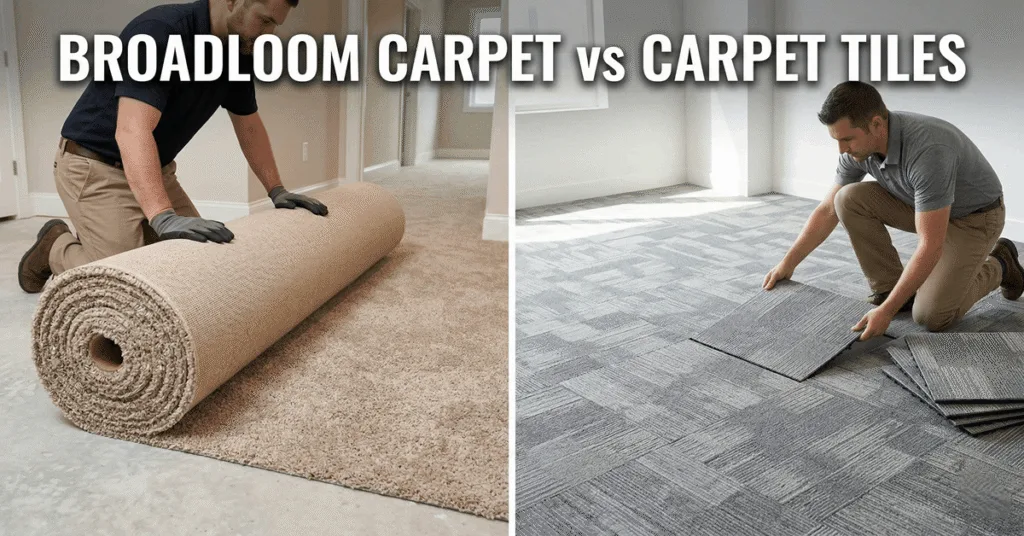
Broadloom carpet vs carpet tiles: installed price and replacement strategy
Broadloom remains the cheapest way to carpet large rooms, with installed costs from about $2–$8 per square foot depending on material and pad. Carpet tiles usually cost a bit more in material (about $2–$7 per square foot) but offer smarter long-term economics in spaces where localized damage is common.
Quick comparison
| Option | Installed cost range | Strengths | Limitations | Best fit |
| Broadloom | $2 – $8 / sq ft | Lowest upfront price, seamless, cozy | Full replacement if areas are damaged | Large living rooms, bedrooms, low-traffic areas |
| Carpet tiles | $2 – $7 / sq ft | Modular replacement, durable, versatile | Slightly higher material cost | Rentals, playrooms, basements, offices |
Carpet tiles are especially useful in rentals and kids’ rooms, where you can keep a box of extra tiles on hand and swap out stained pieces without re-carpeting the entire space.
LVP vs LVT vs sheet vinyl: cost, wear layer, and lifespan
LVP and LVT deliver the most realistic wood and stone visuals, with installed costs typically running $2.50–$13+ per square foot. Wear layers above 20 mil push service life toward 20–25 years, especially in dry residential settings.
Sheet vinyl is the budget option, usually installed for $1–$4 per square foot. It has fewer seams and can be a sensible choice for basic kitchens or laundry rooms, but thinner wear layers mean it won’t last as long as premium LVP/LVT under heavy use.
Quick vinyl comparison
| Product | Installed cost range | Typical lifespan | Best fit |
| Sheet vinyl | $1 – $4 / sq ft | 5–10 years | Budget kitchens, baths, laundry rooms, basements |
| LVP | $2.5 – $13+ / sq ft | 10–25 years | High-traffic areas, pets, rentals, main living |
| LVT | $2.5 – $13+ / sq ft | 10–25 years | Style-focused kitchens and baths, stone looks |
By the numbers: annualized value
Looking at cost per year of service highlights the trade-offs:
- A $5.50/sq ft carpet lasting 10 years works out to about $0.55/sq ft per year.
- A $7.50/sq ft LVP lasting 17 years costs about $0.44/sq ft per year.
The vinyl costs more on day one but less over its full life, exactly why it often wins in busy, moisture-prone, or rental environments.
Room-by-room picks (bedrooms, living rooms, stairs, kitchens, baths, basements)
Every room behaves differently. Matching the material to the room’s moisture, noise, and wear patterns is the easiest way to avoid regret.
Bedrooms and living rooms: comfort vs allergy control
Carpet remains the favorite in bedrooms and family rooms because it’s warm, soft, and quiet. Installed costs averaging $2–$8 per square foot make it accessible for many budgets, and a dense pad adds noticeable comfort. If you’re on the fence about hard surface vs soft surface in sleeping spaces, compare how carpet and vinyl plank compare in a typical bedroom in terms of warmth, noise, and long-term value.
For households with allergies, asthma, or multiple pets, LVP/LVT is often preferred in living areas because it doesn’t trap dust or dander. In that case, use area rugs with non-slip rug pads over durable vinyl plank flooring to add softness where you sit and walk most.
Kitchens, bathrooms, and basements: waterproof first, then budget
Kitchens, full bathrooms, laundry rooms, and basements are moisture-heavy zones, and they’re where vinyl plank or tile really shines. Fully waterproof planks stand up to mopping, spills, and minor leaks without the odor and mold risks that come with wet carpet.
Installed costs of $2.5–$13+ per square foot may feel high at first, but the longer lifespan and lower risk of water damage usually make vinyl the more cost-effective choice. Carpet is rarely recommended in these rooms for long-term use.
Stairs and landings: safety and wear
Stairs take more abuse than almost any other surface in a home and cost more to cover—often $10–$45 per step once you include labor. Many installers still recommend carpet on stairs for better traction and quieter footsteps.
Vinyl can work on stairs with stair nosings and careful installation, but it can be slicker under socks and requires precision cuts and extra trim pieces. If your priority is safety and noise control, carpet usually wins; if you prioritize easy cleaning (especially in rentals), vinyl treads and risers may still be worth the extra labor.
Quick takeaway
- Carpet: Best for bedrooms, living rooms, and stairs where comfort and quiet matter.
- Vinyl (LVP/LVT): The go-to for kitchens, baths, laundry rooms, basements, and hard-used rentals.
Buyer-specific advice: homeowners, renters, designers, contractors
Different decision-makers view carpet vs vinyl flooring cost through different lenses.
Homeowners: choose by room function, moisture, and wear
Homeowners should start by mapping how each room is used:
- Low-traffic, dry bedrooms and guest rooms often justify the lower upfront cost and comfort of carpet.
- Busy family rooms, mudrooms, and open-plan kitchens benefit from durable vinyl plank that handles spills and daily wear.
- If you plan to sell within a few years, balancing neutral carpet in bedrooms with cohesive vinyl plank in living areas is often a cost-effective strategy.
Rental property owners: turnover speed and $/year
For landlords, the key metric is cost per year across multiple tenants, not just lowest sticker price:
- Vinyl plank generally tolerates frequent cleaning, moving furniture, pets, and spills better than broadloom carpet.
- Carpet in rentals is often replaced more frequently because of staining and odors, raising long-term costs.
- Carpet tiles in bedrooms can provide a middle ground: you can replace damaged squares without redoing the entire room, reducing downtime between tenants.
Interior designers: specs that predict real-world cost
Designers specifying flooring should document the specs that actually drive cost and performance:
- For carpet: Fiber type, pile height, face weight, density, and pad quality. Add notes on CRI Green Label Plus status for healthier IAQ.
- For vinyl: Product type (LVP/LVT), plank or tile thickness, wear layer (mil), edge style (bevelled or square), and any attached or separate underlayment. Certifications like FloorScore or GREENGUARD Gold can be a selling point for health-focused clients.
When comparing brands, it’s helpful to look at warranty terms, stain and fade coverage, and recommended cleaning products, not just color and pattern.
Contractors & installers: RFQ details that keep bids comparable
For contractors, clear requests for quotation (RFQs) help avoid misunderstandings and callbacks:
- Carpet RFQ: Include square footage by room, fiber and style, pad density and thickness, seam layout, stair counts, and stretching method (e.g., power stretching).
- Vinyl RFQ: List product line, thickness, wear layer, underlayment type, subfloor condition, acclimation time, and details on trims and transitions between rooms.
Homeowners in condos or multi-family buildings should also confirm that vinyl systems meet required STC/IIC sound ratings to avoid noise complaints or HOA issues.
How to get the best price without sacrificing quality
Good planning and clear communication often save more money than picking the absolute cheapest product.
Get multiple quotes and time your purchase
Flooring bids vary widely by region and by season. Aim for at least three written quotes that break down:
- Material cost
- Pad or underlayment
- Labor
- Tear-out and haul-away
- Furniture moving and stair upcharges
Slow seasons for installers (often late winter or early summer in many areas) can yield better pricing or promotions. Large retailers also cycle through holiday and clearance sales that can cut material cost significantly.
Know what to include in your request
For carpet, specify:
- Fiber type (polyester, nylon, wool)
- Pile style and height
- Face weight and pad density
- Whether stairs and closets are included
- Any special seam or pattern-matching requirements
For vinyl, specify:
- LVP, LVT, or sheet vinyl
- Plank/tile thickness and wear layer mil rating
- Whether an attached pad is included or separate underlayment is needed
- Subfloor prep expectations (leveling, moisture testing)
- Transitions, thresholds, and baseboards to be replaced or reused
Detailed requests make it much easier to compare bids line by line and avoid surprise add-ons after work begins.
Factor in warranties and installation standards
Strong warranties are only as good as the installation behind them:
- Carpet warranties often require power stretching and a manufacturer-approved pad.
- Vinyl warranties may require moisture testing, acclimation, and specific underlayments.
Review the warranty documents before you sign a contract so you know which steps are required to keep coverage valid.

FAQs – carpet vs vinyl flooring cost, value, and practical details
Is carpet cheaper than vinyl plank installed?
Yes, carpet is usually cheaper upfront. Installed costs often average $2–$8 per square foot for carpet, while vinyl plank or tile typically ranges from $4–$16 per square foot installed. However, vinyl plank usually lasts longer and needs less intensive cleaning, which can make it more cost-effective in wet or high-traffic rooms over time.
What’s the cost per square foot installed for LVP vs carpet?
Nationwide averages put LVP/LVT at roughly $2.50–$13+ per square foot installed and carpet at about $2–$8 per square foot installed. Your actual price will depend on product quality, subfloor prep, stairs, room layout, and regional labor rates. Always ask for itemized quotes to see exactly what’s included.
How long do LVP and carpet last?
Carpet generally lasts 5–15 years, with premium fibers and consistent maintenance stretching closer to 20 years in low-traffic spaces. LVP and LVT often last 10–25 years, and higher-end planks with 20-mil or thicker wear layers can approach 30 years in dry, residential rooms with proper care.
Which is better for basements and bathrooms: carpet or vinyl?
For basements and bathrooms, vinyl plank or tile is strongly preferred. LVP/LVT is fully waterproof, making it more resilient to humidity, spills, and mopping. Carpet is prone to mold, mildew, and odors in damp environments, so it’s generally not recommended for long-term use in those spaces.
Are there low-VOC options for allergy-sensitive homes?
Yes. For carpet, look for products labeled CRI Green Label Plus (carpet, pad, and adhesives). For vinyl, check for FloorScore or GREENGUARD Gold certifications. These labels indicate that the flooring meets strict indoor air emission standards and can help reduce exposure to VOCs.
What’s the cost to remove carpet and install vinyl plank?
Removing and disposing of old carpet typically adds $1.50–$2.50 per square foot. Installing vinyl plank often costs $2.50–$13+ per square foot, plus any needed subfloor prep and underlayment. For a 200–500 sq ft room, all-in totals commonly range from around $1,000 to $5,000, depending on product quality and local labor.
Do vinyl plank floors increase home value more than carpet?
In many markets, buyers prefer durable, hard-surface floors in main living spaces, so new vinyl plank or tile often appeals more than wall-to-wall carpet. Fresh, neutral carpet can still present well in bedrooms. Overall, vinyl generally supports resale value better in high-use, visible areas, while carpet works best when it’s clearly fresh, clean, and limited to appropriate rooms.
Conclusion: choose by total cost of ownership, not just today’s price
Carpet vs vinyl flooring cost is often the deciding factor for a project, but the smartest choice comes from looking beyond the immediate price per square foot. Carpet offers warmth, softness, and quiet at a lower starting cost, making it a great fit for bedrooms, living rooms, and stairs, especially in dry, low-traffic homes. Vinyl plank and tile cost more upfront but deliver waterproof performance, stronger scratch and stain resistance, and longer lifespans in kitchens, bathrooms, basements, and rentals.
For most households, the right answer depends on room function, lifestyle, and how long you plan to stay. Bedrooms and stairs often lean toward carpet for comfort and safety, while moisture-prone or high-traffic spaces almost always benefit from LVP or LVT. If air quality is a priority, pay attention to Green Label Plus, FloorScore, or GREENGUARD Gold certifications, and ask about local recycling options for old carpet or vinyl. With a clear view of both upfront cost and lifetime value, you can choose the mix of carpet and vinyl that makes the most sense for your home and your budget.