
Disclosure: Classy Floor is reader-supported. As an Amazon Associate, we earn from qualifying purchases. We may also earn commissions from other affiliate programs, at no additional cost to you. Learn more →
Choosing how to finish a rug edge can change how it looks, feels, and wears every day. When you compare carpet binding vs serging, you’re really deciding between two different carpet edge finishing methods that protect against fraying while giving your area rugs, stair runners, and carpet remnant rugs a specific style. Binding uses a visible strip or carpet binding tape to frame the rug, while serging wraps yarn around the edge to create a smooth, serged rug edge that mimics a woven finish.
This choice matters if you want a custom area rug from carpet remnant, a durable stair runner edge finish, or a high-end look in a main living space. In this guide, you’ll see rug edge finishing options explained in plain language so you can judge appearance, cost, durability, and maintenance with confidence and know exactly how to choose between carpet binding and serging for your home.
Understanding carpet edge finishes: binding vs serging at a glance
Carpet edge finishing covers every method used to protect and style the cut edge of carpet, and the most common comparison is carpet binding vs serging. Rug binding vs serging compares a flat fabric border (binding) with a rounded yarn wrap (serging) that creates a smooth, serged rug edge around area rugs, stair runners, and carpet remnant rugs. Both options give you neat, bound rug edges that look cleaner and last longer than leaving the carpet raw.
Many homeowners look for rug edge finishing options because they want a custom area rug from carpet remnant, a tidy stair runner edge finish, or a border that suits their room’s style. A natural question appears: “carpet binding vs serging which is better for my home, my budget, and my rug material?” This overview provides a quick way to compare how each method differs before you delve deeper into materials, methods, and use cases.
Key differences in one view
Carpet binding and carpet serging aim for the same goal, yet their results differ in terms of look, feel, and price. Binding uses carpet binding tape to create a visible border, while serging employs a looped yarn stitch, similar to the overlock stitch rug serging, that wraps around the edge. This table shows how both finishes compare in the areas that matter most.
| Criteria | Carpet binding | Carpet serging |
| Basic look | Flat fabric border, visible frame | Rounded yarn wrap, smooth serged rug edge |
| Common materials | Carpet binding tape, wide cotton rug binding, leather border binding for rugs | Wool, nylon, or polyester serging yarn |
| Style feel | Casual → modern | Soft, woven → traditional |
| Typical use | Custom area rug from carpet remnant, carpet remnant rugs, stair runners | Higher-end area rugs and rugs needing a factory-matched edge |
| Cost pattern | Lower carpet binding cost per linear foot | Higher cost to bind vs serge carpet edges in many regions |
| Service type | Common with area rug binding services | Often offered through professional rug serging workrooms |
This quick view makes it easy to understand why binding is popular for value-driven projects and serging is chosen for a softer look on premium rugs.
How carpet binding works: materials, methods, and best uses
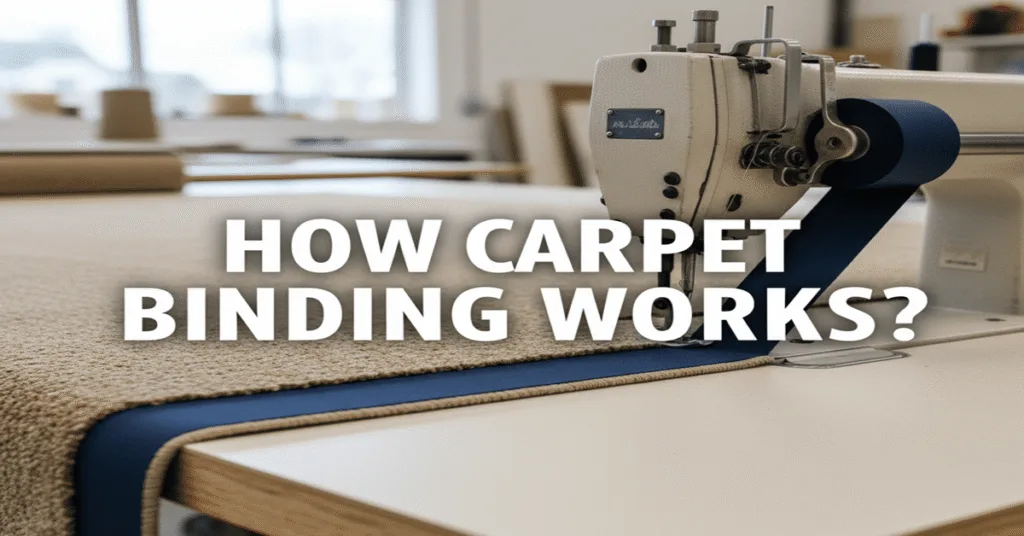
Carpet binding is a carpet edge finishing technique that wraps the cut edge of carpet with fabric or synthetic tape, stitched securely with a rug edge binding machine. This creates clean, bound rug edges that turn loose cuts into finished pieces for hallways, bedrooms, offices, and stair runners. Many shops offer area rug binding services with transparent pricing, allowing you to compare the cost per linear foot of carpet binding to serging and other upgrades.
During the process, the installer cuts the carpet, trims loose fibers, and feeds the edge through a binding machine. The machine applies carpet binding tape in a single pass, covering the face and backing so the rug stays strong during vacuuming, foot traffic, and furniture movement. This makes binding a practical solution for many materials, from durable nylon to loop pile styles that benefit from a firm, well-controlled edge.
If you’re still choosing your rug material, learning the difference between wool and synthetic carpet fibers can help you pick the right carpet before you decide on an edge finish.
Binding materials and styles
Carpet binding comes in several materials that influence both durability and style. Many projects utilize synthetic carpet binding tape that blends seamlessly with the rug’s color, while design-led rooms often feature wide cotton rug binding or leather border binding for rugs. Natural-look tapes offer sisal rug binding options that complement plant-fiber rugs and coastal interiors.
Some finishes maintain a narrow profile, while wider borders provide a subtle frame that alters the overall look. You can match the rug color for a quiet edge or choose a contrast shade for a bold border. Corners may be squared or mitered, and that small detail shapes how polished the rug appears once placed on the floor.
Common binding materials and where to use them
| Material | Look / feel | Best for | Pros | Cons |
| Synthetic binding tape | Smooth, simple, low-profile | Carpet remnant rugs, hall runners, playrooms | Affordable, wide color range, durable | Less decorative than fabric or leather |
| Wide cotton rug binding | Soft, matte, fabric-like | Living rooms, bedrooms, custom area rug from carpet remnant | Adds a framed look, many décor choices | Can show wear faster in heavy traffic |
| Leather border binding for rugs | Clean, structured edge | Offices, formal spaces, statement rugs | Premium edge, strong finish | Higher price, not ideal in damp or pet-heavy homes |
| Natural-look or linen tape | Relaxed, textured style | Sisal rug binding options, jute rugs, coastal interiors | Great with natural fibers, warm appearance | May stain more easily and need gentler cleaning |
| Indoor–outdoor synthetic tape | Tough, slightly rigid | Mudrooms, basements, entry rugs | Handles moisture, wipes clean | Limited color and texture range |
This table offers a fast reference for both style choices and practical performance, helping you choose the right material before exploring serging.
Binding use cases for different rooms and rugs
Homeowners often choose binding for practical projects where durability, value, and a neat finish matter. A common example is turning leftover carpet into a hallway runner, office rug, or kids’ play rug, creating useful pieces without buying a new area rug. Bound edges also work well on stair runners, giving each step a tidy stair runner edge finish while reducing loose yarns that might catch toes or vacuum cleaners.
If you’re still planning the staircase itself, it helps to think about whether carpet or hardwood is better for stairs before you commit to a binding or serging finish.
Binding shines in busy family rooms, basements, rental units, and spaces where the rug may sit under chairs or rolling furniture. Many people use binding for carpet remnant rugs in secondary rooms or under desks, where they want strong edges without a premium price. This practical approach makes binding a strong contender before moving to decorative rug fringing vs binding comparisons and the softer look of serging.
DIY carpet binding options
Homeowners often compare DIY carpet binding tape vs professional binding to see which works for their project. DIY carpet edging tape or peel-and-stick binding kits can tidy a simple cut edge for hall mats, garage rugs, or low-use spaces. Some hobby users buy compact rug edge binding machines that improve the edge quality on small projects with straight lines.
DIY options cost less but may not match the strength or consistency of professional tools. A flooring shop can handle thick carpet backing, curved cuts, and long runners more accurately, giving a cleaner line and stronger hold. This makes DIY binding useful for quick fixes, with professional binding suited to larger rugs, stair runners, and high-traffic areas where long-term durability matters.
How carpet serging works: process, styles, and ideal applications
Carpet serging wraps continuous yarn around the edge of a cut carpet to form a rounded stitch that protects the backing and creates a polished finish. This method uses a rug edge binding machine or an overlock stitch rug serging setup to secure the fibers and form a smooth serged rug edge that feels close to a factory-woven border. Many area rug binding services and professional rug serging shops rely on this approach for wool, nylon, and natural-fiber rugs that need a clean edge.
Machine serging uses fast, consistent stitches that match or blend with the rug’s pile, which helps the border look like part of the original weave. Hand serging uses thick yarn applied by hand for rugs that benefit from more careful placement, such as oriental pieces that need delicate oriental rug edge repair. Some homeowners ask which option suits their rug; the answer usually comes down to budget, fiber type, and how close they want the edge to mimic a woven construction.
Serging shines on dense wool rugs, sisal rug binding options that look better with rounded edges, and custom area rugs from carpet remnant projects, where a soft, continuous border adds a higher-end look. Many people pick serging when they want a border that blends rather than stands out, especially on bedroom rugs, living-room rugs, and larger statement pieces that need a quiet finish.
Carpet binding vs serging: side-by-side comparison for look, durability, and cost
Carpet binding vs serging compares two rug edge finishing options that serve the same purpose but create distinct results. Binding uses carpet binding tape to form a flat, framed border, while serging uses yarn to wrap the edge. Both protect bound rug edges from fraying, and both work well on stair runner edge finish projects, area rugs, and carpet remnant rugs.
Appearance and design flexibility
Binding adds a visible border that can stand out with wide cotton rug binding, leather border binding for rugs, or wide fabric binding vs serged edge for custom rugs. Each style changes how the rug anchors a space, which matters if the room has strong colors or patterns.
Serging blends in, creating a rounded finish that resembles a woven rug, making it a softer choice for simple or modern interiors. People often ask which one feels more stylish. The answer depends on whether they want the edge to pop or fade into the rug.
Durability and performance
A serged rug edge can handle heavy use on thick wool or loop-pile carpets because the yarn wraps the edge tightly. Binding holds up well on synthetic rugs, stair runners, and high-traffic paths where a flatter border works better underfoot.
Some owners wonder: Is serging more durable than binding on rugs? On dense fibers and premium piles, serging may last longer, while binding can outlast serging on low-pile synthetics. The choice ties back to fiber type and foot-traffic pattern, not just finish style.
Cost comparison: binding vs serging per linear foot
Most shops charge less for binding, and the carpet binding cost per linear foot normally falls at the budget end of rug finishing. Serging usually carries a higher rate because the process takes more time and uses yarn that must match the rug pile.
People searching for cost to bind vs serge carpet edges often find that binding fits large projects or rental units, while serging suits main living areas and long-term pieces. To plan a full room makeover, it also helps to look at the overall cost of carpet compared to other flooring types, so you understand your budget before adding any edge upgrades.
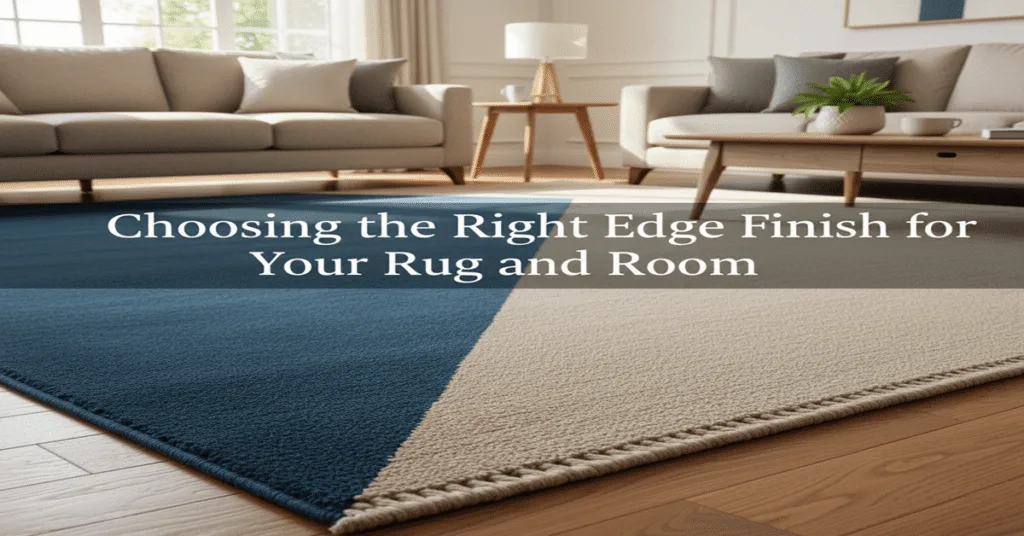
Choosing the right edge finish for your rug and room
Picking between binding and serging starts with the rug’s purpose, the room’s traffic level, and the look you prefer. A bound rug edge made with carpet binding tape creates a crisp frame, while a serged rug edge formed with an overlock stitch produces a rounded, yarn-wrapped border. Both protect against fraying, support long-term use, and work well for projects like a custom area rug from carpet remnant or a stair runner edge finish.
A bound edge fits busy spaces where you want a clean line and steady performance. Many homeowners use binding for carpet remnant rugs in hallways, kids’ rooms, or basements because it keeps costs manageable and pairs well with synthetics or low-pile carpet. Serging offers a softer visual style that blends into wool, sisal, and natural fibers, making it a good match for living rooms or bedrooms where a softer edge feels more fitting.
Factor 1: room type and traffic level
Room activity shapes the choice. Binding handles steady foot traffic and regular vacuuming, so it works well for hallways, stair runners, and home offices. Serging supports comfort-focused spaces where you want a refined look, such as a main bedroom or a sitting area. Do you want a stronger visual border or a rounded edge that blends in? That quick question can guide you.
Factor 2: rug material and thickness
A soft wool rug or a dense loop pile often pairs with serging because the yarn wraps the edge in a smooth line. Thin synthetics and flat-woven carpets pair well with binding since the tape grips firmly and stays flat on the floor. Rugs made from sisal or jute work with either finish, though many designers lean toward binding for structure and wide cotton rug binding for a decorative frame.
Factor 3: budget and design priorities
Binding fits projects where cost matters and you want a neat edge without boosting the total price. Serging costs more, though many value the polished look for a feature rug. If you enjoy contrast borders, leather border binding for rugs or custom wide fabric binding offers a style-focused option that stands out.
Quick decision checklist
Use this short list to match your rug with the right finish:
- High foot traffic → Binding
- Thick wool or natural fibers → Serging
- Tight budget → Binding
- Soft, blended edge → Serging
- Want a design feature → Wide cotton rug binding
This set of questions keeps the choice simple while helping you match the finish to your space.
Cost, durability, and maintenance: what to expect over time
The cost to bind vs serge carpet edges varies by rug size, carpet thickness, and local shop rates. Binding usually sits at the lower end of carpet binding cost per linear foot, while serging tends to land higher due to the labor and materials used. Both finishes help extend the life of the rug by preventing edge damage and slowing wear.
A bound rug edge stays firm around high-traffic areas and performs well with synthetic carpets. Serging often lasts longer on thick wool or loop pile because the yarn wraps tightly around the edge. Industry experts note that a serged edge may resist fuzzing longer on natural fibers, though both finishes support daily use in most homes. If you want the look of a factory-style rug, overlock stitch rug serging lines up well with that goal.
Typical price ranges and what affects them
Shops set rates based on edging method, corners, rug shape, and carpet density. Binding sits at the more affordable end, while professional rug serging costs more because yarn wrapping takes extra time. Square rugs with simple corners cost less than curved or multi-piece rugs that need extra setup.
Lifespan, wear patterns, and when to repair
Bound edges can show wear if the tape gets scraped by furniture, robot vacuums, or pet claws. Serged edges can snag if yarn loops catch on rough surfaces. If edges start to loosen, repair shops can redo binding, redo serging, or even offer oriental rug edge repair when needed.
Cleaning and maintenance tips for finished edges
Vacuum along the rug’s edge with a light hand to avoid pulling on the finish. Spot clean spills quickly so liquid does not reach the backing. If edges collect lint or dust, a soft brush keeps them clear. These small habits help both finishes stay neat for years.
DIY vs professional finishing: when to bind or serge at home
DIY edge work on a rug makes sense for small projects and low-risk spaces, while professional services give the most durable bound rug edges and the cleanest serged rug edges. A home setup with DIY carpet edging tape, carpet binding tape, or a compact rug edge binding machine can tidy simple carpet remnant rugs, but area rug binding services and professional rug serging still lead for long-term strength and a neat look.
Many homeowners ask a simple question: when is DIY enough, and when should a pro handle the carpet binding vs serging decision for you? Think about use, traffic, rug value, and your tools. A playroom rug from a leftover piece of broadloom may suit a DIY edge, while a wool stair runner or a custom area rug from carpet remnant usually deserves a shop that charges a clear carpet binding cost per linear foot.
DIY binding methods that actually work
DIY methods that work well for light use pair simple tools with stable carpet edge finishing materials. The most common setup uses carpet binding tape or DIY carpet edging tape with a hot iron, strong fabric glue, or a small hobby binder.
Good DIY projects include accent mats, pet feeding rugs, or low-cost carpet remnant rugs in guest rooms. You lay out the cut piece, seal the raw edge with tape or adhesive, then fold and press the binding so it grips the backing. A compact rug edge binding machine can take this a step further and add a stitched edge that sits closer to what a shop offers, though it still trails a commercial setup for speed and power.
Simple DIY binding checklist
- Flat, clean work surface
- Sharp knife and straight edge for clean cuts
- Binding or edging tape that matches pile height
- Strong glue or compatible stitching method
- Test piece from the same carpet before you start the main rug
Why serging is usually a pro job
Most homeowners leave overlock stitch rug serging to a shop, since the process needs a heavy machine, matched yarn, and steady hands. A pro runs the rug through a dedicated serger that wraps yarn around the edge, placing a tight stitch pattern that forms the rounded, factory-style serged rug edge.
This setup matters even more on thick wool, plush synthetics, and high-end designer carpets, where one slip can damage the face fibers. A flooring store or workroom that offers professional rug serging already knows how to adjust tension for different backings, how to match yarn color, and how to keep corners smooth. For many owners, that skill is the main reason to let the shop handle carpet binding vs serging which is better for each rug.
Safety and warranty considerations
Any edge work, even simple binding, brings tools, blades, and strong adhesives into the mix, so safety sits right beside style. A pro shop works with guards, dust control, and trained staff, while a DIY setup might place a hot iron or sharp knife on a busy garage floor.
Many carpet makers link their warranties to approved carpet edge finishing methods. If you cut and bind a new stair runner at home, the maker may drop coverage for wear or edge failure, while a retailer that offers area rug binding services keeps records and follows their rules. High-value pieces such as oriental or wool styles fit better in the hands of a repair service that can handle oriental rug edge repair and match existing yarns, especially if you plan to add new stair runner edge finish work to a larger project.
DIY vs professional edge finishing
| Aspect | DIY binding | Professional binding / serging |
| Best use | Low-cost mats, light traffic rugs | Main rooms, stairs, high-value rugs |
| Tools | Tape, glue, small binder | Industrial binder, serger, cutting tables |
| Look | Good from a short distance | Clean, even edge with strong color match |
| Durability | Fair to good | Strong, suited to heavy traffic |
| Typical pricing | Low material spend | Set carpet binding cost per linear foot or flat fee |
A clear view of DIY limits and shop strengths makes the choice between DIY carpet binding tape vs professional binding feel simple for each new project.
Alternatives and upgrades: wide binding, fringing, and custom borders
Beyond standard rug binding vs serging, many rugs use extra edge styles such as rug fringing vs binding, wide cotton rug binding, or leather border binding for rugs. These options give more design control while still keeping good rug edge finishing options for strength and shape.
Owners who view a rug as a big part of the room often ask for more than a basic narrow tape or simple serged rug edge. Wide fabric borders, decorative color bands, and applied fringing styles turn a plain piece of broadloom into a feature that looks custom. The right mix also helps tie in wood tones, metal finishes, and soft furnishings in one custom area rug from carpet remnant.
Fringing vs binding vs serging
Fringing, binding, and serging all finish the edge, yet each one sends a different style signal on the floor. Rug fringing vs binding often comes up on traditional designs; fringing lines up with classic or boho looks, while binding stays simple and modern.
A serged rug edge sits between the two, since the yarn wraps the edge in a way that feels closer to the body of the rug. Many owners search for the difference between rug binding serging and fringing because they like the visual drama of fringing but want the cleaner care routine of a bound or serged finish. Short, dense fringing in a color that blends with the field gives a neater effect than long threads that tangle under a vacuum.
Wide and decorative bindings
Wide border work extends the binding across a larger band, sometimes two to four inches on the rug surface. Shops that offer wide cotton rug binding can frame a neutral field with a strong color, or echo a nearby sofa or curtain shade for a more planned look.
Leather and faux leather styles add a different feel. Leather border binding for rugs works well in offices, dens, and media rooms where you want a smart edge that pairs with wood or metal furniture. Natural fiber carpets also benefit from smart border choices; sisal rug binding options often include cotton, linen, or leather, which soften the firm texture of the core weave and make the edge more comfortable under bare feet.
Here is a simple view of popular border upgrades:
| Edge style | Best for use cases | Style feel |
| Wide cotton binding | Family rooms, bedrooms, kids’ rooms | Soft, casual, color-friendly |
| Leather or faux leather border | Offices, media rooms, modern living spaces | Sleek, structured |
| Patterned fabric border | Statement carpet remnant rugs | Bold, design-driven |
Many shoppers weigh wide fabric binding vs serged edge for custom rugs by looking at both the feel underfoot and how the wider band frames furniture.
When to combine techniques in one project
Some projects mix methods to get the best look and performance from each edge style. A repair shop might use professional rug serging on the long sides of a piece and pair that with new fringing at the ends during oriental rug edge repair, so the rug keeps its character yet gains a clean edge.
Homeowners also blend finishes across related rugs. A stair runner edge finish may use cotton binding for strong traction on each step, while a matching landing rug uses serging so it mirrors a factory finish. Sets made from broadloom, such as hallway runners and living room pieces cut from one roll, gain a more built-in feel when you repeat the same binding fabric or yarn tone across all pieces in the group of carpet remnant rugs.
Thoughtful use of DIY work, shop finishing, and these extra edge styles gives your rug edge finishing options more range and helps you decide how to choose between carpet binding and serging for every room.

Frequently Asked Questions
Is carpet binding or serging better for area rugs?
For area rugs, neither method wins in every case; carpet binding vs serging for area rugs comes down to style, budget, and rug material. Binding gives a crisp frame with fabric or carpet binding tape, while a serged rug edge wraps yarn around the perimeter for a soft, woven look.
If you want a custom area rug from carpet remnant at a lower price, binding usually fits best. For a high-end wool rug in a living room or primary bedroom, professional rug serging often suits the space more and looks closer to a factory finish.
Does binding or serging last longer on stair runners?
On stair runners, both carpet edge finishing methods protect against fraying, yet serging often holds up better on thick, plush runners. A dense overlock stitch around the edge hugs each step and can resist crushing and chipping along the nosing.
Bound rug edges with strong nylon or vinyl tape work very well on low-pile or commercial-grade runners. For busy households with kids and pets, many installers pick heavy-duty binding on flat, tight carpets and serging on higher, softer piles to keep the stair runner edge finish neat.
Can you add binding or serging to an existing rug?
Yes, you can add binding or serging to an existing rug, and many area rug binding services offer this as a standard option. This type of work often appears on carpet remnant rugs, older wool pieces, and rugs that need oriental rug edge repair after years of wear.
A shop can trim a damaged edge and apply fresh binding tape, or they can remove a worn yarn edge and re-serge the rug. For hand-knotted or heirloom pieces, ask for a specialist in professional rug serging and repair so the new edge matches the original style as closely as possible.
How much does it cost to bind or serge a carpet per foot?
For most homeowners, carpet binding cost per linear foot lands in the range of about $1.50 to $6 for standard tape binding, with many services quoting around $2–$4 for simple projects. Industry guides place more advanced options, such as wide binding, serging, and decorative finishes, in a higher band, often $3 to $10 per linear foot, while hand serging can climb far beyond that for luxury work.
The cost to bind vs serge carpet edges shifts with material, carpet thickness, project size, and any extras like cuts, seaming, or fringe. For an accurate figure, measure the rug perimeter in feet, multiply by the quoted rate, then add any shop fees listed on local cost guides or online quote tools.
Is serging always more expensive than binding?
Serging usually costs more than basic binding for the same rug, since overlock stitch work uses more labor and yarn. Many price lists place standard binding in the lower range and serging, wide binding, or decorative edges in the mid to upper range.
That said, a wide fabric binding or wide cotton rug binding, and especially leather border binding for rugs, can cost more than a simple machine-serged edge. Think of serging as the premium default for a clean, continuous yarn edge, while specialty bindings sit in a separate “design upgrade” category with their own pricing.
Can I bind carpet edges myself without a professional machine?
Yes, you can work on carpet edges at home using DIY carpet edging tape or DIY carpet binding tape vs professional binding kits. These products usually rely on hot-melt glue, adhesive tape, or simple stitching tools rather than a full rug-edge binding machine.
DIY kits help most with small projects, temporary runners, or low-traffic rooms. For a large custom area rug, high-value wool, or a stair runner, a shop with industrial equipment and experience in rug edge finishing options typically gives a cleaner look and longer life.
What is the difference between binding, serging, and fringing on rugs?
The difference between rug binding serging and fringing comes down to how the edge looks and how the finish is built. Binding wraps the edge with fabric or carpet binding tape, serging wraps continuous yarn with an overlock stitch, and fringing adds loose decorative tassels at the ends.
Binding and serging create closed, protected edges ideal for modern homes, rentals, and high-traffic spaces. Rug fringing vs binding leans more toward style: fringe works well on traditional or oriental pieces but snags more easily and often needs extra care, while a neat bound or serged rug edge feels cleaner underfoot and sits flat under doors and furniture.
Conclusion
Carpet binding vs serging shapes how your rug edge looks, wears, and fits into daily life. Binding frames area rugs with a strip of fabric or carpet binding tape, and serging wraps yarn around the edge for a smooth, stitched finish. Both forms of carpet edge finishing stop fraying and give stair runners and custom area rugs a clean, finished profile.
Your choice comes down to style, budget, traffic level, and rug material. Bound rug edges suit busy spaces and projects like a custom area rug from carpet remnant, and a serged rug edge suits rooms where a soft, high-end look matters most. Thinking through where the rug sits, who walks on it, and how long you want it to last gives clear direction.
If you still feel unsure, write down the room, size, and use, then compare options with local area rug binding services or a trusted flooring store. Share your experience or questions with others planning new rugs, since real projects often reveal how each edge finish behaves over time. A short chat and a few samples in hand can turn a tricky edge choice into a rug that looks right and works hard for years.