Disclosure: Classy Floor is reader-supported. As an Amazon Associate, we earn from qualifying purchases. We may also earn commissions from other affiliate programs, at no additional cost to you. Learn more →
Do you want softer steps or tougher wear underfoot? The answer starts with pile type. This guide compares berber carpet vs plush so you pick with confidence for comfort, style, and budget.
Berber uses loop pile. It resists wear in high-traffic areas and stairs. Plush uses cut pile. It feels cushy in bedrooms and family rooms. Pets may snag loops, and plush can show footprints and dents. Fiber choice matters too. Nylon, olefin, or wool shift softness, resilience, and stain resistance.
You get clear pros and cons, a quick room-by-room pick, and realistic per square foot price ranges. You learn how carpet padding vs underlay affects feel and lifespan. You see a simple maintenance plan with vacuuming frequency and stain removal basics. Finish with a short decision rubric that weighs loop pile vs cut pile for pets, kids, and daily use.
Berber vs plush carpet: key differences at a glance (loop pile vs cut pile)
Berber uses loop pile. Plush uses cut pile. The pile shape sets feel, durability, and care. Which matters more to you: cozy softness or steady wear in high-traffic areas?
Use this quick chart to compare berber carpet pros and cons and plush carpet pros and cons at a glance.
| Factor | Berber (Loop Pile) | Plush (Cut Pile) |
| Pile type | Loop pile | Cut pile |
| Feel underfoot | Firm, springy | Soft, cushy |
| Best rooms | High-traffic carpet for stairs, halls, family rooms | Best carpet for bedrooms comfort, living rooms |
| Durability | High with good carpet fiber density and twist | Moderate to high with dense twist fibers |
| Stain resistance | Strong with stain resistance carpet types like olefin | Good with treated nylon or wool blends |
| Snag/Claw risk | Higher; loops can catch (pets) | Lower; no loops to snag |
| Texture appearance and footprints | Hides tracks; pattern visibility in Berber masks soil | Plush carpet footprints and dents show more |
| Allergen resistance | Good with low-pile height and regular care | Good with sealed backings and regular care |
| Ease of cleaning | Quick vacuum passes; watch for loop pulls | Deeper pile; plan thorough vacuuming frequency |
| Per square foot price* | Budget to mid (nylon/olefin) | Mid to premium (dense nylon/wool) |
| Padding/underlay | Firm, high-density underlay to reduce flex | Best carpet padding for plush carpet: medium-firm with higher density |
| Pets & kids | Pet-friendly carpet options if loops are tight and low | Softer feel; fewer snags, more tracks |
What “pile” means and why it matters
Pile describes how yarns sit on the backing. Loop pile keeps each strand closed, which boosts wear and soil hiding. Cut pile snips the loops, which boosts softness and a cozy feel.
Pile form links to care. Loop pile can pull if caught; trim a pulled loop rather than tugging. Cut pile needs steady grooming for stain removal for carpet and to refresh the surface.
Typical fiber pairings for each style (nylon/olefin in Berber; nylon/polyester/wool in plush)
Nylon berber vs wool plush cost varies by grade, but nylon wins for toughness and resilience. Olefin (polypropylene) adds strong stain resistance and moisture control in basements. Wool in plush raises comfort and style, with a modern vs traditional carpet style range.
Quick picks:
- Berber: nylon or olefin for stain resistance and wear; firm carpet padding vs underlay choice helps longevity.
- Plush: dense nylon or wool for luxury feel; choose padding that supports the pile to protect the carpet performance rating rubric.
Care snapshot: set a simple carpet maintenance schedule. Plan vacuuming frequency carpet by traffic level, and spot-clean fast. Need a floor that hides daily mess without fuss? Berber leads; need soft steps for sleep spaces? Plush wins.

Comfort vs durability by room: the best choice for bedrooms, living rooms, basements, stairs & high-traffic areas
Do you want hotel-soft steps in a quiet bedroom or tough fibers for a busy hallway? Match pile type to each room and you get better comfort, stain resistance, and lifespan.
Room/Use Matrix
| Room / Area | Top pick | Why it wins | Fiber & build tips | Padding notes |
| Bedrooms | Plush (cut pile) | Softer feel, low noise, cozy look | Nylon or wool for resilience; watch texture appearance and footprints | Medium-firm pad; best carpet padding for plush carpet is ~6–8 lb density |
| Living rooms / Family rooms | Plush or tight-loop Berber | Comfort for lounge areas; soil hiding for busy spots | Nylon for bounce; higher carpet fiber density and twist improve wear | Quality underlay improves feel; match pad to traffic |
| Basements | Berber (loop pile) | Better wear in damp-prone zones; flecks hide dirt | Olefin (polypropylene) resists moisture; berber vs plush stain resistance favors olefin blends | Moisture-safe pad or underlay; follow installer guidance |
| High-traffic areas | Berber (loop pile) | Strong against wear and tear; patterns hide tracks | Dense loops with higher twist fibers last longer | Firm pad to reduce crushing |
| Stairs & hallways | Berber (loop pile) | Grip, durability, and clean edges on steps | Nylon loops hold shape; high-traffic carpet for stairs needs tight loops | Thin, firm pad for safe nosing and even wrap |
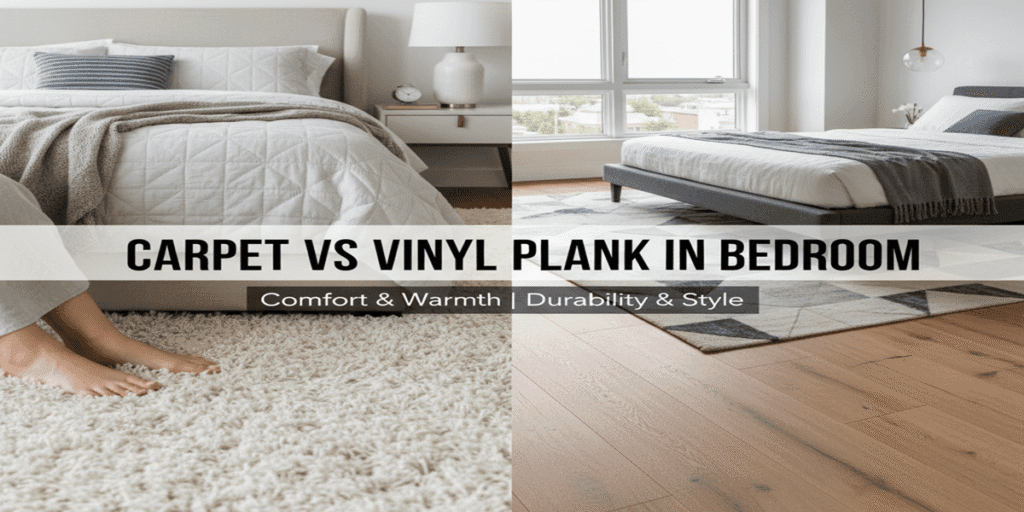
Short picks by room keep choices clear. Plush fits best carpet for bedrooms comfort. Berber handles mess, motion, and pattern visibility in Berber helps hide soil. Still debating flooring type for sleep spaces? See our guide to carpet or vinyl plank in bedrooms for noise, warmth, and resale trade-offs.
Pet & kid considerations (snags, tracks, soil hiding)
Pets bring claws and grit. Does your cat or dog snag loops? If yes, choose dense plush with nylon face fiber to reduce pulls. For mud and crumbs, loop pile vs cut pile favors Berber on hiding power, while plush carpet footprints and dents need routine grooming.
- Pet-friendly carpet options: nylon plush with tighter cut pile or low-profile Berber with small loops.
- Stain removal for carpet: olefin Berber resists many stains; act fast on oil-based spots.
- Allergen resistance carpet: regular vacuuming frequency keeps dander down; add a set carpet maintenance schedule.
Stairs & hallways: why loop piles excel (and when they don’t)
Stairs compress fibers on every step. Loop piles share load, keep edges crisp, and look tidy over time. Use nylon loops with strong twist fibers and higher fiber density for a longer lifespan.
- Snag risk: large, loose loops can catch. Choose tight, small loops to lower risk.
- Comfort vs grip: plush feels cushier, yet it can telegraph wear lines; Berber gives better traction on corners.
- Install notes: firm carpet padding vs underlay controls movement on treads and keeps profiles sharp.
Keep budget in view as you weigh per square foot price and carpet installation cost per square foot. Pick DIY vs professional carpet installation by room complexity; stairs need a pro for safe wraps and clean rises.
Materials & performance: nylon vs olefin vs wool (softness, stain resistance, lifespan)
Material choice sets feel, wear, and care. Nylon, olefin (polypropylene), and wool lead the category. Which fiber fits your room plan and cleaning routine?
Nylon
Nylon brings springy resilience and strong recovery from furniture dents. It ranks high for stain resistance carpet types when treated, and it suits high-traffic carpet for stairs. Many buyers pick nylon for best carpet for bedrooms comfort in plush cuts.
Olefin (polypropylene)
Olefin resists bleach and many food stains. It handles damp-prone areas and hides soil well in loop pile. Berber loops in olefin trade softness for price and colorfastness.
Wool
Wool feels naturally soft and rich. It breathes, insulates well, and ages with grace. It costs more but brings a long service life with proper care.
Fiber Performance Specs (quick compare)
| Attribute | Nylon | Olefin (Polypropylene) | Wool |
| Softness | Medium–high (higher in plush) | Medium (firmer hand) | High, cushioned feel |
| Resilience/Texture recovery | High | Low–medium | Medium–high |
| Stain resistance | High with treatment | High to many food/bleach stains | Medium; treat promptly |
| Soil hiding | Medium | High (great in loop pile) | Medium |
| Footprints & dents | Moderate; recovers fast | Low recovery; dents linger | Shows shading in plush cuts |
| Best use cases | Stairs, hallways, busy living rooms | Basements, playrooms, value Berber | Bedrooms, premium living rooms |
| Lifespan (care-dependent) | Long | Medium | Long |
| Price tier | Mid | Budget–mid | Premium |
Need a budget signal? Nylon Berber often lands mid-tier. Wool plush sits at the premium end, echoing the long-tail query “nylon berber vs wool plush cost.”
- Care tips
- Blot spills fast for all fibers; plan stain removal for carpet within minutes.
- Match pad density to fiber and pile to protect edges and seams.
- Follow a simple carpet maintenance schedule: weekly vacuuming frequency carpet in busy rooms; quarterly deep clean.
How twist fibers & density affect wear and texture appearance
Carpet fiber density and twist predict wear more than style labels. Higher twist in cut pile locks ends together and reduces fray. Dense construction supports the tuft and limits matting.
Loop pile gains strength from continuous loops. Tight, low loops resist crushing and mask tracks. Plush with low twist and low density shows texture appearance and footprints faster.
Quick cues
- Twist: higher = better footprint control in plush.
- Density: tighter pack = better lifespan and walk-out resistance.
- Pairing: dense nylon plush for family rooms; tight olefin Berber for entry paths.
Allergen resistance & VOC considerations
Look for low-emission certifications from neutral programs and ask for manufacturer test data. Learn how VOCs affect breathing spaces in homes with this EPA brief on indoor air quality and carpet VOCs. Many nylon and wool products include treatments that reduce dust binding. Routine vacuuming with a HEPA bag helps allergen resistance carpet across all fibers.
Sensitive spaces benefit from short off-gassing windows, good airflow, and hot-water extraction on a set schedule. For product vetting, use the CRI Green Label Plus emissions standard to identify carpet, cushion, and adhesive options with very low VOCs. Quick blotting and dry-time control limit musty odors after cleaning.
At-a-glance picks
- Want comfort first? Wool or high-twist nylon plush.
- Need stain armor on a budget? Olefin Berber in low loops.
- Need balance for kids and pets? Treated nylon in loop or cut pile with sturdy pad.
This section maps nylon vs olefin vs wool carpet to real rooms and habits. It helps you weigh feel, stain resistance, and lifespan before you pick Berber loops or plush cuts.
Maintenance & cleaning: vacuuming schedules, stain removal, and allergen control
Clean floors last longer and feel better underfoot. Berber’s loop pile likes gentle care, while plush’s cut pile asks for routine grooming to manage texture appearance and footprints. A simple carpet maintenance schedule keeps both styles fresh and improves allergen resistance. After deep cleans, use these tips to dry carpet faster after cleaning and prevent wicking and musty odors.
Vacuuming schedule by room & use
| Area / Use case | Pile type | Vacuuming frequency | Deep clean cadence |
| Bedrooms (low–medium traffic) | Plush (cut pile) | 2–3× per week | Every 12–18 months |
| Bedrooms (kids/pets) | Berber or Plush | 3–4× per week | Every 6–12 months |
| Living rooms / family rooms | Berber or Plush | 3–4× per week | Every 6–12 months |
| Stairs & hallways (high-traffic carpet for stairs) | Berber (loop pile) | 4–5× per week | Every 6–9 months |
| Basements | Berber or Plush | 2–3× per week | Every 9–12 months |
Tips: Use a suction-only head or a brush with retracted beater bar on loop pile vs cut pile. Set the height so the head glides and does not drag loops. Plush benefits from a grooming rake after vacuuming to reduce plush carpet footprints and dents.
Allergen control made simple
- Pick a vacuum with a sealed body and HEPA filter; replace filters on schedule.
- Ventilate rooms after cleaning. Run a dehumidifier in basements to limit musty odors.
- Schedule hot-water extraction during pollen season if allergies spike.
Spot-cleaning stains: loop vs cut pile tips
Act fast. Blot, do not scrub. Test any solution in a hidden spot.
- Water-based spills (juice, coffee):
- Blot with white towels.
- Apply a mild carpet detergent solution; blot again.
- Rinse with a small amount of clean water; blot dry.
- Oil-based stains (makeup, salad dressing):
- Lift residue with a dull scraper.
- Apply solvent-safe spot cleaner per label; blot in small passes.
- Rinse lightly and blot until dry.
- Pet accidents:
- Absorb moisture, then use an enzyme cleaner.
- Finish with a light rinse and thorough blot to protect stain resistance.
Pile-specific care:
- Berber (loop pile): Work outward in small dabs to avoid opening loops. If a loop lifts, snip it at surface level—do not pull. Worried about pets? Does berber carpet snag with pets in your home, or do they keep nails trimmed?
- Plush (cut pile): After the spot dries, lift the nap with a spoon or carpet brush to blend fibers.
Common mistakes to avoid
- Aggressive beater bars on loops (snags and fuzzing).
- Over-wetting spots (wicking returns stains).
- Steam irons on waxy or synthetic spills (sets the stain).
- Skipping entry mats; soil becomes abrasion and shortens lifespan.
Maintenance checklist
- Daily/Weekly: Vacuum per the vacuuming frequency carpet table; shake out mats.
- Monthly: Edge-vacuum along baseboards; rotate area rugs on plush to spread wear.
- Quarterly: Inspect seams and transitions; trim snags on Berber; refresh protector in high-traffic lanes.
- Annually: Schedule deep cleaning; update your carpet maintenance schedule for new pets or lifestyle changes.
Extending lifespan with the right underlay/padding
Carpet padding vs underlay sets the feel and the wear profile. A dense, firm pad (6–8 lb, ~3/8–7/16″) supports Berber loops on stairs and halls; softer pads suit plush in bedrooms for comfort. In basements, pick a moisture-barrier underlay to protect backing.
- Plush in quiet rooms: cushy pad reduces noise and boosts comfort.
- Loop pile in high traffic: firmer pad stops flexing that stresses loops.
- For dents: place coasters under heavy legs; lift and groom plush nap after moving furniture.
Need a quick rule? Match pad density to traffic, then match thickness to pile type. This simple move raises performance in nylon vs olefin vs wool carpet across both loop pile vs cut pile styles and keeps stain removal for carpet easier over time.
Costs, padding & installation: 2026 price ranges, underlay choices, DIY vs pro
You want a clear number first. Here is a realistic carpet installation cost per square foot for 2026 that covers material, pad, and labor. If you’re also weighing hard flooring, check our carpet vs LVP cost breakdown to compare materials, labor, and lifetime value. Ranges vary by fiber, pile, region, and room shape.
2026 Cost Breakdown (USD) — per sq ft
| Item | Berber Nylon (loop pile) | Berber Olefin/Polypropylene | Berber Wool | Plush Polyester (cut pile) | Plush Nylon | Plush Wool |
| Material | $2.50–$5.00 | $1.50–$3.00 | $7.00–$12.00 | $1.80–$3.50 | $3.00–$6.00 | $8.00–$15.00 |
| Padding/Underlay | $0.60–$1.50 | $0.60–$1.50 | $0.75–$2.00 | $0.60–$1.50 | $0.60–$1.50 | $0.75–$2.00 |
| Labor (flat rooms) | $1.75–$3.50 | $1.75–$3.50 | $2.25–$4.00 | $1.75–$3.50 | $1.75–$3.50 | $2.25–$4.00 |
| Typical Installed Total | $4.85–$10.00 | $3.85–$8.00 | $10.00–$18.00 | $4.15–$8.50 | $5.35–$11.00 | $11.00–$21.00 |
Common add-ons: floor prep $0.50–$1.50/sq ft, furniture move $0.25–$0.60/sq ft, old carpet haul-away $0.25–$0.75/sq ft, stairs $2–$4 per step. These affect your per square foot price more than you expect.
Budget vs premium scenarios (quick picks)
- Budget Berber: olefin loop, rebond pad, basic pattern. Lowest stain resistance cost, modest lifespan.
- Mid-tier plush: solution-dyed nylon, 7/16″ rebond pad. Better texture appearance over time and solid wear.
- Premium wool plush or wool Berber: natural fiber, dense pad or rubber underlay. Highest comfort and price.
Underlay choices that protect feel and lifespan
Padding supports comfort and wear. Match pad to pile type and fiber to hit your carpet performance rating rubric targets.
- Berber (loop pile): use firm support to reduce flex and snags.
- Pad: 3/8″ max, 8–10 lb rebond, or 28–32 oz synthetic fiber pad, or flat rubber.
- Why it helps: firm pad limits seam peaking and loop stress. A good fit for high-traffic carpet for stairs and halls.
- Plush (cut pile): use cushioned support for best carpet for bedrooms comfort.
- Pad: 7/16″ thickness, 6–8 lb rebond for most nylon/polyester; 8 lb for dense plush.
- Why it helps: softer step, less foot fatigue, better feel under carpet fiber density and twist that favors comfort.
- Moisture or basements: pick antimicrobial synthetic fiber pad or flat rubber; keep thickness modest for stability.
- Goal: steady feel, easier stain removal for carpet, better allergen resistance with regular cleaning.
2026 pricing tips that keep quotes comparable
Use one sheet and ask each installer to price the same specs. This avoids guesswork in DIY vs professional carpet installation comparisons. Timing matters too, learn when carpet deals are best to catch promotions and off-season labor rates.
- List fiber type and pile: nylon Berber vs wool plush cost can swing by double.
- List pad thickness and density: carpet padding vs underlay numbers matter.
- Mark seams, closets, steps, and transitions.
- Ask for line items: material, pad, labor, extras, taxes.
When DIY makes sense vs when to hire a pro
Think about your room and your tools. Do you have long, straight walls and no seams?
DIY fits
- One small bedroom or office with clean edges.
- You own or rent a power stretcher, knee kicker, seam iron, and roller.
- You accept a learning curve and a slower pace.
Hire a pro for
- Patterned Berber, long seams, or stairs and hallways.
- Rooms with alcoves, bay windows, or heavy furniture.
- Warranty rules that require pro installation.
- Tight deadlines or multi-room projects.
Quick checklist before you sign
- Confirm total carpet installation cost per square foot and total square footage.
- Confirm pad spec by number: thickness and density.
- Confirm removal/haul-away, moving, and stair pricing.
- Confirm timeline and who handles door trimming and transitions.
- Request care notes: vacuuming frequency carpet, spot stain removal, and first deep clean timing.
Small ways to save without hurting quality
- Keep seams out of sight lines and away from high-traffic paths.
- Choose solution-dyed nylon for strong stain resistance carpet types at mid prices.
- Cut waste by aligning rolls to room size; your installer can map this.
- Limit pad upgrades to rooms that need more cushion, like bedrooms and family rooms.
Do you want plush for a nursery or guest room? A mid-density pad and a fair nylon face weight can hit comfort and price targets fast. Need long wear on steps? A firm pad and a loop pile vs cut pile choice that favors Berber will control wear and keep edges tidy.

Style & aesthetics: color options, pattern visibility, modern vs traditional looks
Style sets the mood of a room. Berber leans modern with loop texture and soft fleck color. Plush reads traditional and luxe with a smooth, uniform face. Do you want a clean gallery look or a cozy, hotel-style bedroom?
Pattern visibility in Berber stays subtle. Flecks and loop pile break up crumbs and pet hair, so floors look tidy. Plush highlights color depth and sheen, yet texture appearance and footprints stand out after vacuuming or a long nap on the carpet.
Color options drive the vibe. Warm taupe and oatmeal give family rooms a relaxed feel. Charcoal and ink add drama for contemporary spaces. For best carpet for bedrooms comfort, pale plush in cream or fog creates a soft, restful base.
Quick style matches
- Berber (loop pile vs cut pile): casual, modern, great soil hiding.
- Plush (cut pile): formal, elegant, shows shading and dents.
- Pet-friendly carpet options: tight loops or low-pile cut styles reduce snag risk and visible tracks.
Pattern visibility & footprints — quick table
| Attribute | Berber (loop pile) | Plush (cut pile) |
| Look & vibe | Modern vs traditional carpet style: casual, textured | Classic, refined, velvet-like |
| Pattern visibility | Speckled/Heathered; hides variation | Solid; shows sweep marks |
| Texture appearance & footprints | Low show; tracks blend | High show; footprints and dents stand out |
| Color behavior | Flecks mute stains; great for high-traffic carpet for stairs | Deep color reads rich; lint may show |
| Best rooms | Living rooms, stairs, basements, play zones | Bedrooms, low-traffic sitting rooms |
Light vs dark tones: hiding wear vs showing shading
Light, flecked Berber hides lint and everyday soil. Mid-tone greige reads calm and keeps rooms bright. Deep plush delivers a rich look, yet shading and plush carpet footprints and dents appear after daily use.
Need a family-proof floor? Try a mid-tone loop with multi-color fleck. Need drama in a quiet space? Choose a deep, solid plush and pair it with lighter walls to balance contrast.
Coordinating with furniture and wall textures
Let one surface lead. If the sofa has pattern, keep the carpet quiet. If the room is all plains, add Berber texture for depth. Use color options that echo a cabinet stain or curtain tone for a pulled-together scheme.
Simple picks that work:
- Cool palette: ash gray Berber with black metal legs and crisp white paint.
- Warm palette: wheat-fleck Berber with oak furniture and clay accents.
- Luxe bedroom: fog-tone plush with matte brass hardware and linen drapes.
Tip for samples: view swatches in daylight and lamp light. Check for pattern visibility and shading from two steps away. This quick test keeps style choices aligned with daily life.
Pros and cons: when Berber is the smarter buy vs when plush wins
Quick comparison table
| Factor | Berber (loop pile) | Plush (cut pile) |
| Feel underfoot | Firm, springy | Soft, cushy |
| Wear in traffic | Strong on stairs and halls | Best for low–moderate traffic |
| Stain behavior | Good with solution-dyed nylon or olefin | Good with treated nylon or wool blends |
| Snag risk | Higher with pets and sharp claws | Low; no loops to catch |
| Texture appearance and footprints | Hides tracks; pattern visibility in Berber helps mask soil | Shows footprints and dents |
| Allergen resistance | Tight loops can trap less visible lint; needs steady vacuuming | Dense pile holds dust; benefits from strict vacuuming |
| Best rooms | High-traffic carpet for stairs, family rooms, basements | Bedrooms, living rooms seeking cozy feel |
| Price signals | Nylon/olefin often value; per square foot price is budget friendly | Premium wool or dense nylon raises cost |
Berber carpet pros and cons
- Pros
- Loop pile resists wear and crushing in high traffic. Great for berber vs plush for stairs and hallways.
- Flecked patterns hide soil and tracks. Strong choice for basements and family rooms.
- Olefin and solution-dyed nylon boost stain resistance and colorfastness.
- Often a lower per square foot price than premium plush.
- Cons
- Loops can snag. Ask yourself: does berber carpet snag with pets in your home?
- Firmer feel underfoot; less of the “sink-in” comfort some want for bedrooms.
- Spot repair can show if a loop pulls. Beater bars can fuzz the loops.
Plush carpet pros and cons
- Pros
- Cut pile delivers standout comfort for sleep spaces: berber carpet vs plush for bedrooms often tilts to plush.
- Smooth, uniform face makes colors read rich and warm; great for a modern vs traditional carpet style refresh.
- Dense nylon or wool rates high on a simple carpet performance rating rubric for softness.
- Cons
- Plush carpet footprints and dents show in bright light and long runs.
- Lower tolerance for rolling traffic on stairs and landings.
- Premium fibers and higher carpet fiber density and twist can raise total project cost.
When Berber is the smarter buy
- You need durability first: high-traffic carpet for stairs, play areas, or entry corridors.
- You want easy care with kids: flecks hide daily soil, and stain removal for carpet stays simple on solution-dyed fibers.
- You plan a value build: nylon or olefin carpet installation cost per square foot lands in a friendly range.
When plush wins
- You want best carpet for bedrooms comfort with a soft, quiet step.
- You dislike the loop look and prefer smooth color with a cozy feel in living rooms.
- You have pets that scratch at loops; cut pile reduces snag risk.
Care tips that tilt the choice
- Vacuuming frequency carpet: set a firm schedule. Loops like a gentler head; plush tolerates deeper agitation.
- Carpet padding vs underlay: denser pad supports Berber on stairs; plusher pad boosts comfort under plush in bedrooms.
- Nylon vs olefin vs wool carpet: nylon balances resilience and cost; olefin suits moisture-prone zones; wool offers premium hand and natural appeal.
One quick question before you decide: do you value a softer step every night, or a floor that shrugs off daily traffic? Pick the answer that fits your routine, then match fiber, pad, and style to seal the win.
Make the call: a simple decision framework + performance rating rubric
Use this quick framework to choose with confidence. It balances comfort, wear, stain resistance, maintenance, and cost for a clear home flooring comparison.
5-question decision tree
- Is the room a bedroom and is plush feel your top need?
Yes → Pick Plush for the best carpet for bedrooms comfort.
No → Go to Q2. (Keyword fit: berber carpet vs plush for bedrooms) - Do pets snag loops or scratch?
Yes → Pick Plush or low-profile cut pile. Loops can catch claws. (loop pile vs cut pile for pets; does berber carpet snag with pets)
No → Go to Q3. - Is the space high-traffic, stairs, or hallways?
Yes → Pick Berber for tight loop durability and soil hiding. (high-traffic carpet for stairs; berber vs plush for stairs and hallways)
No → Go to Q4. - Is moisture or soil common (basements, entry, playroom)?
Yes → Pick Berber with stain resistance carpet types like solution-dyed nylon or olefin. (which carpet is better for basements; berber vs plush stain resistance)
No → Go to Q5. - Do you want a luxe look and accept tracks?
Yes → Pick Plush and plan for texture appearance and footprints. (plush carpet footprints and dents; modern vs traditional carpet style)
No → Pick Berber for subtle pattern visibility in Berber and easy care.
Carpet performance rating rubric (1–10 scale + room-weighted scoring)
Score each style from 1–10 per factor, multiply by the room weight, then total. Higher score wins. Need a tie-breaker? Revisit fiber choice (nylon vs olefin vs wool carpet) and pad.
| Factor | Bedrooms Weight | Stairs/Halls Weight | Basements/Family Weight | Scoring tips (1–10) |
| Softness/Comfort | 30% | 10% | 15% | Plush 8–10; Berber 5–7 |
| Durability/Wear | 20% | 40% | 25% | Berber 8–10; Plush 6–8 (carpet fiber density and twist raise scores) |
| Stain Resistance | 15% | 15% | 25% | Olefin/solution-dyed nylon 8–9; standard nylon 7–8; wool 6–7 |
| Maintenance/Ease | 15% | 15% | 20% | Loops hide soil 8–9; plush needs grooming 6–8 (vacuuming frequency carpet; stain removal for carpet) |
| Cost/Value | 20% | 20% | 15% | Compare per square foot price, pad, and labor (carpet installation cost per square foot) |
Adjusters (±1 each, apply once if true)
- High fiber density or strong twist → +1 to Durability for either style. (carpet fiber density and twist)
- Pets that snag loops → −1 to Berber; calm pets → +1 to Plush feel. (pet-friendly carpet options)
- Best carpet padding for plush carpet chosen (quality pad/underlay) → +1 to Softness and +1 to Maintenance. (carpet padding vs underlay)
- DIY vs professional carpet installation planned for tricky stairs → −1 to Durability if DIY on stairs; +1 if pro installs.
- Local budget fit met on materials + labor → +1 to Cost/Value. (per square foot price)
How to use it (fast steps)
- Pick the room profile: Bedroom, Stairs/Hall, or Basement/Family.
- Score Berber and Plush on each factor, then apply weights.
- Add adjusters. The higher total is your pick. Which is better for your room today?
Example
Primary bedroom: Plush Softness 9×30% = 2.7; Berber Softness 6×30% = 1.8. Add Durability, Stain, Maintenance, Cost with your fiber choice and pad. Plush often wins here, while Berber often wins on stairs.
Mini checklist
- Room type and traffic level
- Fiber pick: nylon berber vs wool plush cost and care
- Pad choice: thickness and density
- Cleaning plan: vacuuming schedule and spot care
- Budget target: materials, pad, and labor per square foot
This quick pass acts like a carpet performance rating rubric and condenses berber carpet pros and cons vs plush carpet pros and cons into one score. You get a clear pick without guesswork.

Frequently Asked Questions
Is Berber carpet good for bedrooms or is plush better for comfort?
Berber suits busy bedrooms that need durability and stain resistance. Plush wins for best carpet for bedrooms comfort thanks to its soft, cushy feel. Compare loop pile vs cut pile needs: quiet warmth vs long wear. Want hotel-soft steps at night? Pick plush with quality padding.
Which carpet handles high-traffic areas and stairs better?
Berber excels on stairs and hallways. The loop pile resists wear and hides soil in high-traffic areas. Plush can crush on steps and show traffic lanes. For families, choose a dense nylon Berber with good twist fibers for stronger resilience and longer lifespan.
Will plush carpet show footprints and dents more than Berber?
Yes. Plush tends to show texture appearance and footprints, plus dents from furniture. Berber’s pattern visibility and loops hide tracks better. If you love a smooth, velvety look, accept more grooming. A regular carpet maintenance schedule helps plush look fresh.
What padding/underlay works best under Berber vs plush?
Berber prefers a firm, dense underlay to reduce flex and loop damage. Plush benefits from slightly softer carpet padding for a cushier step. Match pad thickness to warranty specs, and pair density with fiber type. This improves comfort, support, and stain resistance performance.
Is Berber cheaper than plush, and what’s the installed price per square foot?
Berber often starts lower on per square foot price, especially olefin options. Plush in wool or high-grade nylon trends higher. Final carpet installation cost shifts with fiber, pad density, room prep, and stairs. Compare nylon Berber vs wool plush cost quotes from local pros.
Do Berber loops snag with pets—should pet-friendly homes avoid them?
Loops can snag on claws, so active pets raise the risk. A tight, low-profile loop reduces pulls, yet cut pile plush or a patterned cut offers safer performance. For pet-friendly carpet options, favor durable nylon, good fiber density, and strong stain removal plans.
How often should each style be vacuumed and deep-cleaned to maximize lifespan?
Set vacuuming frequency carpet to 2–3 times weekly in busy rooms; weekly in low-traffic bedrooms. Treat stains fast with manufacturer-approved cleaners. Schedule professional hot-water extraction every 12–18 months. This care supports allergen resistance, protects twist integrity, and keeps the carpet performance rating strong.
Conclusion
A smart carpet choice starts with use, traffic, and pets. The winner in berber carpet vs plush shifts by room: loop pile handles wear and hides soil; cut pile delivers soft, cozy steps. Match fiber to goals, nylon for resilience, wool for feel, olefin for stain resistance and weigh pattern visibility and footprints.
Set a clear plan before you buy. Compare per square foot price quotes, confirm carpet padding vs underlay, and check warranty specs. Test samples under real light, then map a simple vacuuming frequency and stain removal routine to protect lifespan.
Want a quick path to a decision? Use the room-by-room matrix and the carpet performance rating rubric from this guide. Share your room, pets, and traffic level in the comments, and say which way you lean. Your experience helps other homeowners pick with confidence.