Disclosure: Classy Floor is reader-supported. As an Amazon Associate, we earn from qualifying purchases. We may also earn commissions from other affiliate programs, at no additional cost to you. Learn more →
Is your home better suited to tough looped fibers or soft plush piles under bare feet? If you’re comparing Berber carpet vs regular carpet, the short answer is simple: Berber uses tight loop pile for strength and stain hiding, while regular cut-pile carpet focuses on comfort, style range, and that cushy feel in living rooms and bedrooms. Both can use nylon, polyester, or wool, yet they behave very differently in hallways, stairs, basements, and kids’ rooms.
This choice matters for your budget, your cleaning routine, and how your rooms feel day to day. Pick the wrong type and you may see flattened traffic lanes, snags from pets, or stains that never quite lift. In this guide, you’ll see how pile construction, fiber type, durability, stain resistance, and cost per square foot all fit together so you can match the right carpet to your family, your rooms, and your long-term plans.
What is Berber carpet?
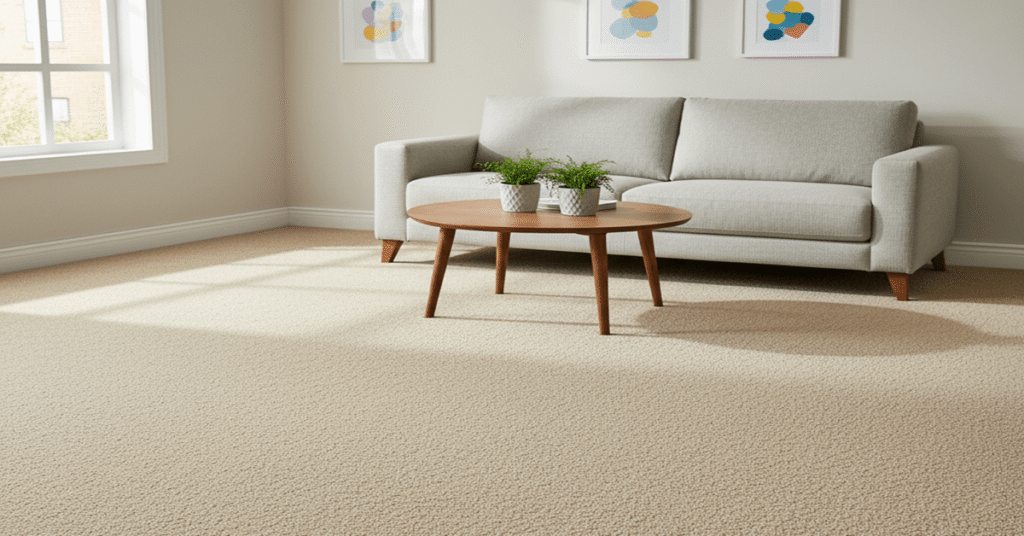
Berber carpet is a loop pile carpet style where the yarns stay uncut, forming tight, low loops across the backing. Most modern Berber carpet uses nylon, olefin (polypropylene), or wool fibers and often show a light background with darker flecks, which helps hide soil and footprints in busy rooms. If you want to check real-world examples, you can browse: Nylon carpet, Olefin carpet, and Wool carpet.
Many homeowners pick Berber for high-traffic areas such as hallways, basements, playrooms, home offices, and stairs. The tight loop construction resists crushing and wear, so the surface keeps its texture longer than many soft, fluffy carpets. This strength comes with trade-offs, as loops can snag on pet claws or sharp edges, so buyers who share their home with active pets need to think about loop height and fiber choice.
If you’d like to compare current Berber carpet styles and pricing while you read, here are options to browse: Berber carpet
Key traits of Berber carpet:
- Construction: loop pile, level, or multi-level
- Common fibers: nylon, olefin, wool
- Look: neutral base with flecks or subtle patterns
- Typical strengths: durability, soil hiding, stable texture in high traffic
What is regular carpet?
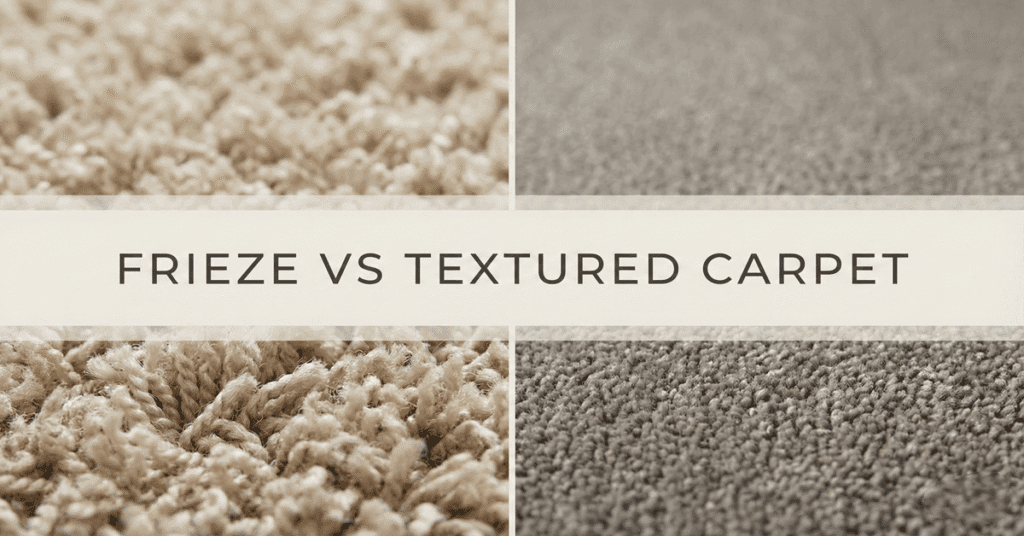
Regular carpet usually means cut pile carpet, where the loops are cut open so each yarn stands up like a soft tuft. This group covers popular residential styles such as plush, Saxony, textured carpet, and frieze, made from fibers like nylon, polyester, triexta, and wool. Many living rooms and bedrooms use these cut pile carpets for a cushioned feel under bare feet and a smooth, welcoming look.
To see what these cut-pile styles look like in real options, you can browse: Plush carpet, Saxony carpet, or Frieze carpet.
Cut pile carpet gives more variety in feel and style than a basic loop, which helps match different interior designs and comfort preferences. A dense Saxony can look formal and smooth, while a twisty frieze hides footprints and vacuum marks in busy family spaces. The same “regular carpet” label can describe entry-level polyester in a starter home or premium wool cut pile in a luxury space, so buyers need to look at fiber, density, and twist, not the name alone.
Common types of regular (cut pile) carpet:
- Plush / Saxony: smooth, even surface, very soft feel
- Textured cut pile: light texture that hides marks better
- Frieze: long, twisted yarns with a casual, slightly shaggy look
- Common uses: bedrooms, living rooms, media rooms, many staircases
Berber vs regular carpet: key differences at a glance
Berber carpet vs regular carpet comes down to pile construction. Berber uses loop pile for strength and soil hiding; regular carpet means cut pile for softness, style range, and a cushy feel. Both can use nylon, olefin (polypropylene), polyester, triexta, or wool, yet day-to-day performance differs in traffic, cleaning, and pet safety.
Quick comparison
| Feature | Berber (loop pile) | Regular carpet (cut pile) |
| Construction | Closed loops | Cut fiber ends |
| Typical fibers | Nylon, olefin, wool | Nylon, polyester, triexta, wool |
| Feel underfoot | Firm, textured | Soft, plush to dense |
| High-traffic wear | Strong; hides soil | Varies by quality; can show lanes |
| Stain behavior | Resists stains; risk of wicking | Fiber-dependent; easier spot blending |
| Pet friendliness | Snag risk with claws | Lower snag risk |
| Maintenance | Careful spot work; trim snags | Routine vacuum and deep clean |
| Style range | Neutrals, flecks, subtle patterns | Wide palette, many textures |
| Tracks/footprints | Low | Can show footprints |
| Typical use | Halls, basements, playrooms | Bedrooms, living rooms, stairs (dense) |
Pros and cons
- Berber pros: durable loops, soil hiding, tidy look.
- Berber cons: loop snags, careful cleaning, firmer feel.
- Regular pros: soft comfort, broad styles, easier repairs.
- Regular cons: tracks and matting risk, quality varies a lot.
Quick gut check: do you want the softest feel under bare feet, or a tough surface for busy hallways?
Construction & materials: loop pile vs cut pile
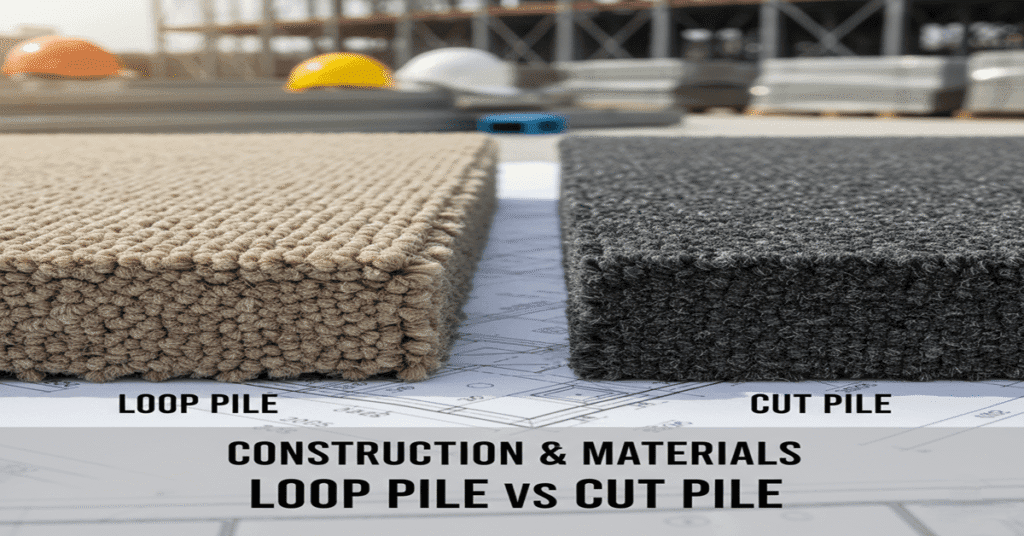
Loop pile and cut pile describe how yarn forms the face of the carpet. Loop pile keeps fibers in closed loops for abrasion resistance; cut pile shears the tops for plush comfort. Performance then depends on fiber type (nylon, olefin, polyester, triexta, wool) plus density, face weight, pile height, and twist.
Loop pile (Berber) basics: tight loops spread wear, hide soil, and resist crushing. Multi-level loops add texture; very tight loops feel firm. Snags can run, so trim instead of pulling.
Cut pile basics: sheared tufts feel soft and inviting. Saxony shows footprints, frieze hides tracks with higher twist, textured balances comfort and resilience. Quality jumps with higher density and stronger twist.
Material cues that matter
- Nylon: strong rebound in traffic; good all-rounder.
- Olefin (polypropylene): good stain resistance; value option; can wick if over-wet.
- Polyester/triexta: soft hand; great color; watch for matting at low densities.
- Wool: natural fiber, rich texture, long service life with proper care. Homeowners deciding between these fibers often compare the differences between nylon and wool carpet performance to understand long-term durability.
Spec quick guide
- Face weight: ounces of yarn per square yard; higher can mean richer pile.
- Density: how tightly fibers pack together; tighter piles wear better.
- Twist (cut pile): tighter twist resists crushing and keeps the yarn tips tidy.
Think about your rooms: do you need a dense nylon Berber for a hallway, or a frieze cut pile for a cozy family room? This construction snapshot sets up smart choices on durability, comfort, and cleaning in the next sections.
Performance comparison in everyday use
Berber (loop pile) favors abrasion resistance, soil hiding, and shape retention; regular carpet (cut pile) favors softness, texture variety, and sound absorption. If you weigh berber carpet vs regular carpet for hallways, stairs, basements, and living rooms, expect loops to look tidier longer and cuts to feel cushier under bare feet. Which matters more in your home: long-wearing traffic lanes or plush comfort?
Tight loops in nylon or wool spread wear across the surface, so traffic lanes appear later. Cut piles can mat if face weight and twist are low, yet a dense nylon or wool cut can hold up well in family rooms.
Comfort swings to cut pile. Plush, Saxony, and frieze feel warm and quiet, while many Berbers feel firmer and textured underfoot. A quality pad can soften either style.
Pets and kids change the picture. Loops can snag on claws or toys; a pulled loop may “run.” Cut piles resist snagging and allow easier spot repairs, yet footprints and vacuum marks can show. Proper moisture control also matters, since over-wetting carpets can increase the risks of moisture causing hidden mold.
For homes with pets, tools like a pet-friendly vacuum or carpet cleaning machine can help keep either style cleaner longer.
Stairs add stress. A low, dense loop or a tight frieze tracks well on treads and nosings. Very tall plush piles crush and telegraph wear faster on edges.
Quick performance table (typical mid-grade builds)
| Factor | Berber (loop) | Regular carpet (cut pile) |
| Durability in traffic | High | Medium to high (quality dependent) |
| Comfort/softness | Medium | High |
| Soil/footprint visibility | Low | Medium to high |
| Pet snag risk | Higher | Lower |
| Noise absorption | Medium | High |
Cleaning, maintenance, and long-term care
Berber can resist stains well in solution-dyed fibers (olefin, nylon), yet loops make spot work less forgiving; regular cut-pile is easier to patch or blend but may show spills and footprints sooner. Key factors are fiber chemistry, pile construction, pad quality, and moisture control. Do you want simpler spot fixes or stronger day-to-day soil hiding?
Stain behavior and fibers
Olefin resists bleach and many dyes but can attract oils; solution-dyed nylon balances stain resistance and strength; polyester and triexta shed water-based stains well; wool needs pH-safe products and fast blotting. Construction then tilts results: loops hide soil; cuts reveal texture change faster.
Cleaning methods
Hot-water extraction restores depth when done with controlled moisture and strong vacuum. For homes prone to humidity or slow drying, the EPA’s guidelines for preventing mold in household carpets offer helpful practices for reducing long-term risks. If you use this method, knowing the best ways to dry carpeting after deep cleaning helps prevent wicking and long drying times. Low-moisture encapsulation helps between deep cleans and limits wicking on loops. Dry compounds suit small areas and wool; test in a corner first.
Vacuum routine
Use a height-adjustable beater bar on most synthetics. Use a suction-only or a gentle brush head on wool Berber. Trim a snag with scissors; do not pull the loop.
Care cadence (typical households).
- Vacuum: 2–3× per week in traffic lanes; weekly in bedrooms.
- Spots: blot fast, dab from the edge inward; avoid scrubbing.
- Deep clean: every 12–18 months, more often for pets or rentals; keep receipts if a warranty asks for proof.
Do this/avoid this
- Do: use entry mats, rotate area rugs, run a dehumidifier in basements, upgrade pad density.
- Avoid: over-wetting Berber (wicking), high-alkaline cleaners on wool, dragging furniture across loops, yanking snags.
Fiber × care snapshot
| Fiber | Stain resistance | Cleaning difficulty | Notes |
| Olefin (polypropylene) | High to dyes, lower to oils | Low to medium | Great in basements; watch oily soils |
| Solution-dyed nylon | High | Low to medium | Strong balance for kids and pets |
| Polyester / triexta | High to water-based | Medium | May crush in budget builds |
| Wool | Moderate | Medium to high | Use pH-neutral, dry fast, protect from UV |
A simple habit stack, good mats, steady vacuuming, prompt blotting, and periodic pro service keep either style fresh and extend replacement cycles.
Cost, lifespan, and value for money
Berber (loop pile) often delivers strong value in high-traffic zones, and regular cut-pile shifts value toward comfort and style. Upfront price tracks fiber first, olefin/polypropylene, and solution-dyed nylon at the value tier, nylon mid-range, and wool at the premium tier. Lifespan rises with density, twist, quality padding, and skillful installation.
Key cost drivers
- Fiber and dye method; face weight (oz/yd²); density; pile height
- Padding grade and thickness; moisture barriers; stair labor. Your pad also affects comfort and lifespan, and many shoppers compare the difference between 6 lb and 8 lb carpet padding before deciding.
- Old carpet removal; subfloor fixes; pattern matching; local rates
Relative price & lifespan guide
| Type | Upfront cost (relative) | Typical lifespan | Notes |
| Berber – olefin/polypropylene | $ | 5–10 years | Strong stain hiding; watch for snags |
| Berber – nylon | $$ | 10–15 years | Durable loops for hallways and playrooms |
| Berber – wool | $$$ | 15–20+ years | Premium look/feel; professional care |
| Cut-pile – polyester | $ | 5–8 years | Soft hand; mats sooner in traffic |
| Cut-pile – nylon | $$ | 8–15 years | Balanced performance for family rooms |
| Cut-pile – wool | $$$ | 15–20+ years | Luxury comfort; higher maintenance |
Value tips
- Pair mid-grade carpet with high-quality pad for better TCO.
- Compare installed cost per square foot across three quotes with the same pad spec and warranty terms.
- Ask for written seams/stairs line items to avoid surprises.
Want a fast rule for Berber carpet vs regular carpet value? Pick loop pile for durability per dollar in busy paths; pick cut-pile for comfort per dollar in low-traffic rooms. Ready to see where each shines?
Choosing the right carpet for your rooms
Start with use, traffic, pets, and desired feel. Berber (loop pile) suits basements, halls, playrooms, home offices, and some stairs; regular cut-pile suits bedrooms, living rooms, and media rooms where softness and noise control matter. Need a quiet home office or a mud-room that hides soil?
Room-by-room guide
| Room/zone | Best type | Recommended fibers | Why it fits |
| Hallways & entries | Berber (loop) | Nylon, olefin | Hides soil; resists abrasion |
| Basements | Berber (loop) | Solution-dyed olefin, nylon | Handles traffic; lower wicking risk with proper pad |
| Stairs | Dense cut-pile or tight loop | Nylon, wool | Secure edge wrap; reduced snag risk |
| Bedrooms | Regular cut-pile | Nylon, polyester, wool | Soft underfoot; warm and quiet |
| Living/media rooms | Regular cut-pile | Nylon, wool | Plush feel; better acoustic comfort |
| Playrooms | Berber (loop) | Nylon | Durable; easy vacuuming for crumbs |
| Rentals | Berber (loop) or tight cut-pile | Solution-dyed nylon | Wear resistance; hides day-to-day marks |
Two-minute checklist
- Traffic level: low/medium/high
- Pets and claws? kids and toys?
- Barefoot comfort vs durability priority
- Humidity and spills risk (basement vs upstairs)
- Pad choice: rebond or rubber; thickness that matches warranty
For a quick match: pick dense nylon Berber for busy spaces, pick plush or textured cut-pile for rest zones, and step up to wool when long service life and premium feel matter. This room-first approach keeps fit, comfort, and budget in balance.

Frequently Asked Questions
Is Berber carpet better than regular carpet for high-traffic areas?
Berber carpet with tight loop pile often handles high-traffic areas better than many regular cut-pile carpets, since the loops spread wear and hide soil. Regular carpet still suits busy spaces if you choose a dense, low-pile nylon or wool style, but soft plush piles flatten and show tracks more quickly.
Think about spots like hallways, family rooms, and basements where shoes, pets, and kids move nonstop. In those zones, a loop-pile Berber with a strong fiber such as nylon usually stays neater for longer and keeps “traffic lanes” less visible than a fluffy cut-pile carpet.
Is Berber carpet good for pets and kids, or will it snag?
Berber carpet can work in homes with pets and kids, yet its loop pile can snag on claws, toys, and vacuum heads. Regular cut-pile carpet does not have loops, so it tends to resist pulls from claws and rough play a bit better.
If you like the look of Berber and live with pets, choose a tight, low loop and keep claws trimmed to reduce the risk of pulled rows. For very active dogs, cats, or toddlers, many families feel safer with a dense cut-pile carpet that still offers strength but has less risk of long snags.
Which lasts longer: berber carpet or regular cut-pile carpet?
High-quality Berber carpet often lasts longer in heavy use than many regular cut-pile options, since loop pile handles abrasion well and hides soil. Lifespan still depends a lot on fiber type, density, and how you clean and vacuum the carpet.
A nylon or wool Berber in a hallway or stairs can keep a tidy look for many years with steady care. A premium cut-pile nylon or wool carpet can match that lifespan in living rooms and bedrooms, yet low-budget plush styles with light face weight tend to crush and need replacement sooner.
Is Berber carpet more expensive than regular carpet?
Berber carpet is not always more expensive than regular carpet; synthetic Berber (olefin or nylon) often sits in the mid-range, while wool Berber sits near the high end. Regular cut-pile carpet runs from low-cost polyester all the way up to luxury wool, so price bands overlap.
For many homes, a mid-range nylon Berber and a mid-range nylon cut pile carpet have close installed costs per square foot. Big price swings come from fiber choice, brand, padding quality, and stair or pattern work, not just the label “Berber” or “regular carpet.”
Is Berber carpet out of style, or still a good choice in 2026?
Traditional speckled Berber in harsh beige tones feels dated to some buyers, yet modern Berber-style loop carpets in soft neutrals still fit many design schemes. Textured low-pile carpets and subtle tonal patterns sit close to current trends, especially for practical spaces.
If you want a fresh look, lean toward warm grays, taupe, or creamy tones, and avoid heavy peppered flecks that scream “old office carpet.” Berber remains a smart pick for basements, playrooms, and casual family spaces, while plush or textured cut pile often suits main living areas where style matters more than extreme durability.
What is the best carpet type for stairs: berber or plush?
Stairs need strong grip, strong backing, and good edge coverage, so both Berber and dense cut-pile carpets can work. Many installers favor tight, low Berber or tight, low-pile cut carpet, since thick plush can show crushing and can look uneven on risers.
Loops on stairs can snag more easily, especially near nosings where feet and claws hit the edge. A dense, low-pile nylon cut carpet with good padding gives a mix of traction, comfort, and clean edges, so this option suits most homes unless you have a specific design goal with Berber.
Can you steam clean Berber carpet safely?
You can steam clean Berber carpet safely if you use light moisture, proper extraction, and equipment set for that fiber type. Heavy over-wetting leads to wicking, where old stains rise back to the surface as the loops dry.
For best results, many carpet pros suggest low-moisture hot water extraction on Berber, plus strong vacuums to pull out as much water as possible. Spot test any cleaning solution in a corner first, follow the manufacturer’s care guide, and trim snags with scissors instead of pulling them after cleaning.
Conclusion
Berber carpet and regular cut-pile carpet differ in construction, comfort, durability, and ideal rooms, so each suits a different kind of home life. Loop-pile Berber brings strength, stain hiding, and a firm feel underfoot, while plush or textured cut pile adds softness, warmth, and more design flexibility in spaces like bedrooms and main living areas.
When you compare Berber carpet vs regular carpet, think about traffic level, pets, kids, and how much maintenance you are happy to handle. Tight nylon or wool loops can shine in hallways, basements, and playrooms, while quality cut-pile nylon, polyester, or wool often shines in family rooms and cozy spaces where you sit on the floor. Next step, take this checklist to a showroom, test both styles with your shoes off, and ask for quotes that match your fiber and padding preferences. A quick walk on each sample with your own lifestyle in mind makes the final choice much clearer and easier to trust.