Disclosure: Classy Floor is reader-supported. As an Amazon Associate, we earn from qualifying purchases. We may also earn commissions from other affiliate programs, at no additional cost to you. Learn more →
Homeowners often ask a simple yet important question: Can carpet cleaning cause mold under the carpet? The truth is, carpet cleaning itself doesn’t cause mold, but improper drying or excessive moisture can. When water lingers within the carpet padding or beneath the surface, it can create ideal conditions for mold growth. This guide explores the science behind mold, the risks of poor cleaning practices, and practical steps to prevent mold from forming after your carpets are cleaned.
What Is Mold and Why It Matters in Carpet Cleaning
Mold is a type of microscopic fungus that grows in damp, warm environments. In nature, it helps decompose organic matter like leaves and wood. Indoors, however, it becomes a health and structural problem. Mold spreads through airborne spores that settle on moist surfaces and begin multiplying when they find enough warmth and food.
Inside a home, mold thrives in areas with consistent moisture, such as basements, bathrooms, and under carpets that stay damp. The organic fibers of a carpet, combined with dust and skin cells, provide everything mold needs to feed and grow.
Key factors that promote mold growth:
- Persistent moisture from spills, leaks, or slow drying after cleaning
- Warm indoor temperatures between 70 and 90 degrees Fahrenheit
- Poor ventilation or airflow under furniture and along baseboards
- Organic matter trapped within carpet fibers and padding
If these conditions persist for more than 24 to 48 hours, mold can begin to form below the surface.
How Mold Affects Your Home and Health
Health Implications
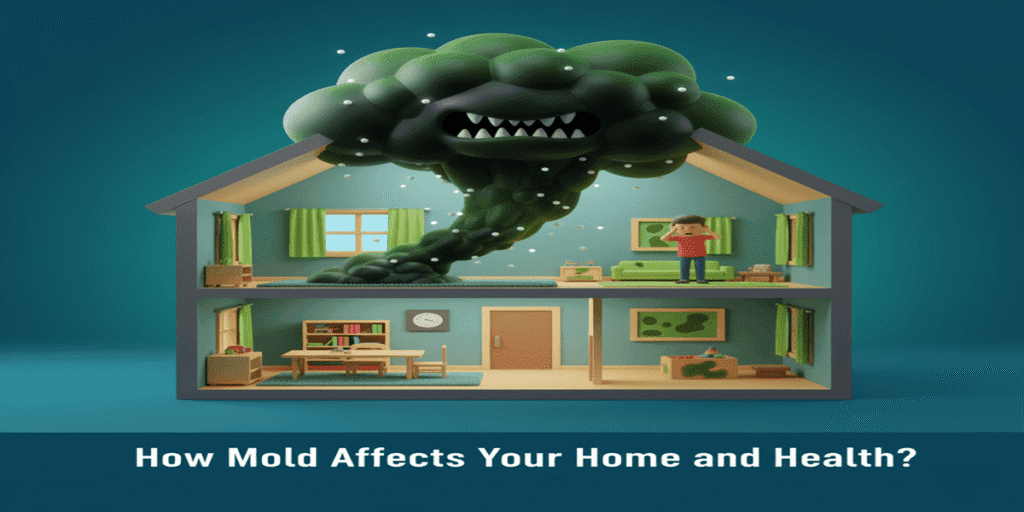
Mold releases spores and mycotoxins into the air that can lead to various health symptoms, especially for those with allergies or asthma. Common effects include coughing, congestion, sneezing, watery eyes, and irritated skin. Prolonged exposure may worsen respiratory issues or trigger chronic sinus problems.
Children, older adults, and individuals with weakened immune systems are particularly vulnerable to indoor mold exposure. Keeping carpets clean and dry is one of the simplest ways to reduce these risks.
Property Damage
Beyond health concerns, mold can compromise the structure of carpets and flooring. Over time, it weakens the carpet backing, deteriorates padding, and damages the subfloor beneath. Once mold has spread deeply into these layers, replacement is often the only solution. It can also create a strong musty odor that is difficult to remove even after cleaning.
So, Can Carpet Cleaning Cause Mold?
Carpet cleaning itself does not cause mold, but improper cleaning or drying can. Mold only grows when excessive moisture remains trapped within the carpet for too long. The main causes of mold after carpet cleaning include:
- Using too much water during steam or shampoo cleaning
- Inadequate extraction of moisture
- Poor ventilation or high indoor humidity
- Cleaning during cold or humid weather without proper airflow
When carpets stay damp for more than a day, mold spores in the air can begin colonizing the fibers and backing material.
Understanding Carpet Cleaning Methods and Moisture Risk
Different cleaning techniques carry different levels of moisture exposure. The key is to choose a method that balances deep cleaning with rapid drying. Understanding the differences between carpet steamers and shampooers can help you select the safest option for your carpet type.
| Cleaning Method | Water Usage | Average Dry Time | Mold Risk |
| Hot Water Extraction | High | 6–24 hours | Moderate if poorly dried |
| Low-Moisture Encapsulation | Low | 1–3 hours | Low |
| Dry Compound Cleaning | Minimal | Under 1 hour | Very Low |
| Traditional Shampooing | High | 24 hours or more | High |
Modern professional cleaners use high-suction systems capable of removing up to 98 percent of moisture, significantly reducing drying time and mold risk. DIY or rental machines, on the other hand, often leave too much water behind.
Carpet Materials and Mold Resistance
Carpet type and padding material also influence mold growth potential. Natural materials like wool absorb moisture easily, making them more vulnerable to mold. Synthetic carpets made from moisture-resistant carpet materials like nylon or polyester are less absorbent and resist microbial growth when maintained properly. Using a high-quality rubber or antimicrobial underlay adds another layer of protection against moisture accumulation.
In humid regions, homeowners can benefit from using moisture barriers or vapor-resistant pads beneath carpets to minimize the chance of mold developing under the flooring.
Expert Tips to Prevent Mold After Carpet Cleaning
1. Dry Carpets Quickly
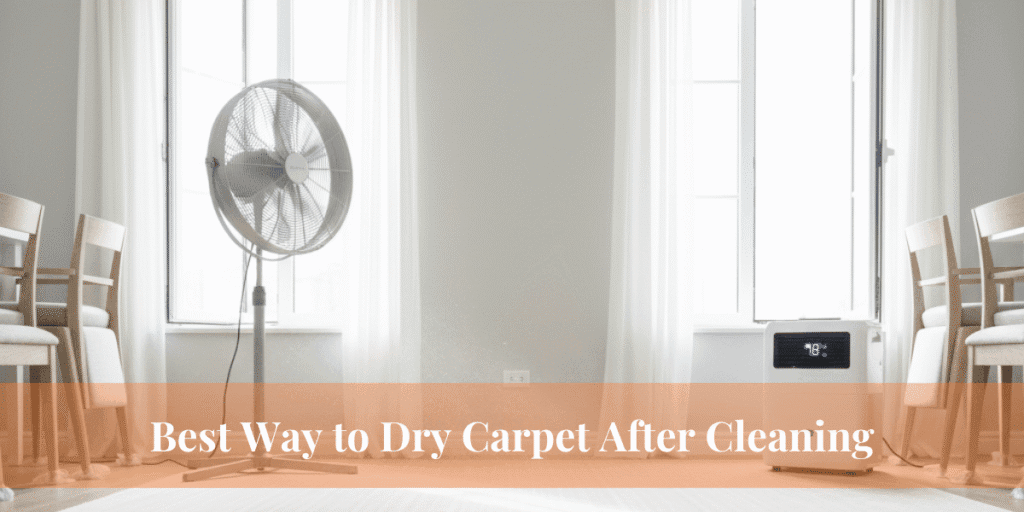
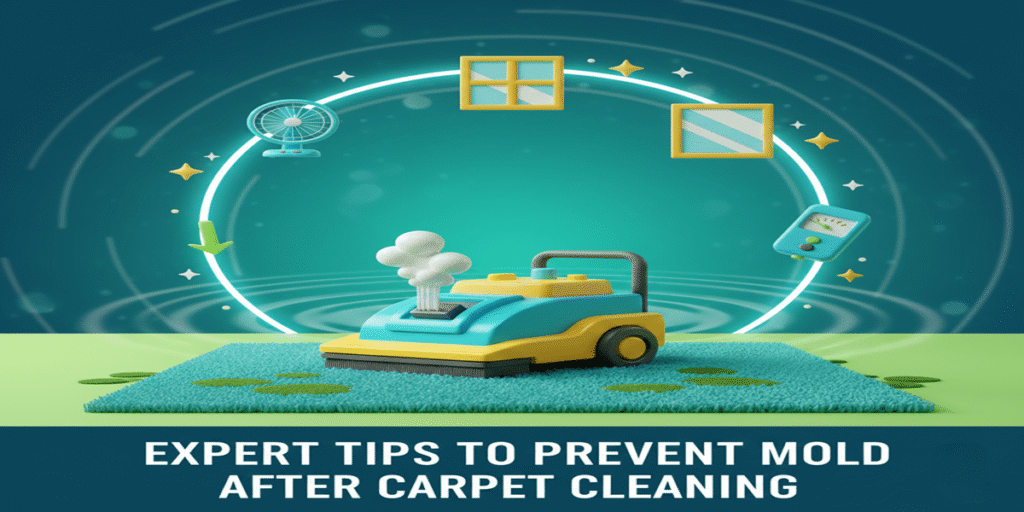
Drying speed is critical. Aim to dry carpets within 6 to 12 hours of cleaning. Use high-powered fans, open windows, or portable air movers to circulate air. You can explore some of the best methods to dry carpets after cleaning to ensure no moisture remains trapped in the fibers. Running a dehumidifier during and after cleaning helps remove excess moisture from the air and speeds up evaporation.
2. Control Indoor Humidity
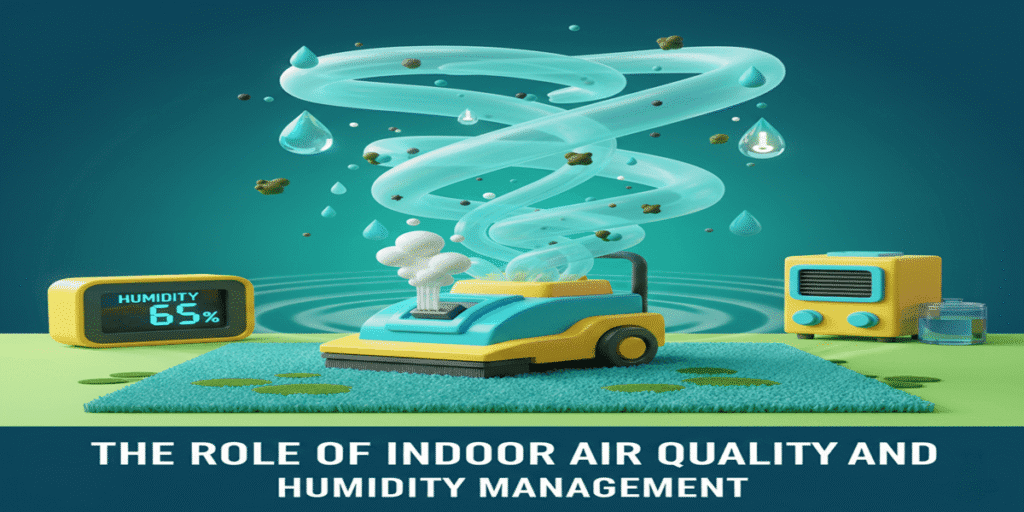
Maintain indoor humidity levels between 30 and 50 percent. A digital hygrometer can help monitor this. In damp seasons or poorly ventilated areas like basements, continuous dehumidifiers are useful to prevent excess moisture buildup.
3. Improve Airflow
Keep doors and windows open during drying. Raise furniture slightly off the carpet to allow air circulation underneath. Avoid placing rugs or mats over recently cleaned carpets until they are fully dry.
4. Clean Up Spills Immediately
Spills that penetrate into the carpet padding can cause localized mold spots. Blot liquids quickly with absorbent towels, then dry the area with a fan. Avoid rubbing, which can spread moisture deeper into the fibers.
5. Schedule Regular Professional Cleaning
Routine professional cleaning every six to twelve months helps prevent dirt and organic buildup that feeds mold. Choose certified cleaners who use low-moisture or hot water extraction systems with efficient suction and drying technologies.
How to Detect Mold in Carpets
Mold under carpets is often hidden at first. Early detection can prevent major damage and expensive repairs. Common warning signs include:
- Persistent musty smell in a specific room
- Discoloration or dark patches on the carpet surface
- Soft, spongy, or damp padding underneath
- Increased allergy or respiratory symptoms indoors
If you suspect mold, lift a corner of the carpet and check the backing and padding for black, green, or white spots. Mold usually begins to appear 10 to 18 days after moisture exposure, though spores can start growing within 48 hours.
What to Do if Mold Is Found
- Stop Moisture at the Source – Identify and repair leaks or humidity issues immediately.
- Increase Airflow – Use fans and open windows to dry the affected area.
- Clean with Care – Do not use bleach on carpets. Instead, consult professionals trained in mold remediation.
- Replace When Necessary – If mold has reached the padding or subfloor, replacement is often the safest solution.
Ignoring small patches can allow spores to spread through the air and contaminate nearby materials.
The Role of Indoor Air Quality and Humidity Management
Healthy carpets depend on healthy indoor air. Excess humidity supports not only mold but also dust mites and bacteria. Air circulation, ventilation, and HVAC maintenance all contribute to a drier, cleaner home environment. Replace air filters regularly, and keep vents open to promote consistent airflow across rooms.
During rainy or humid seasons, run air conditioning or dehumidifiers to maintain balance. Consistent environmental control is just as important as the cleaning method itself.
Long-Term Carpet Care for a Mold-Free Home
- Vacuum carpets weekly using HEPA filters to remove dust and spores.
- Keep humidity below 50 percent year-round.
- Address water leaks or condensation immediately.
- Avoid laying carpet in basements or bathrooms.
- Use sunlight and airflow to discourage mold growth in darker areas.
- Choose synthetic carpet fibers for moisture-prone rooms.
A proactive cleaning and drying routine will help keep your carpet fresh, safe, and long-lasting. Choosing budget-friendly flooring options can also make regular maintenance more manageable over time.
Final Thoughts
Carpet cleaning does not cause mold when done correctly. Mold only forms when excess moisture remains trapped without proper drying or ventilation. The best way to protect your home is to ensure quick drying, manage humidity levels, and maintain a consistent cleaning schedule. With proper care, carpets stay beautiful, odor-free, and healthy for years to come.