Disclosure: Classy Floor is reader-supported. As an Amazon Associate, we earn from qualifying purchases. We may also earn commissions from other affiliate programs, at no additional cost to you. Learn more →
Did you know pile type can change how a room looks, wears, and sounds for years? This guide compares carpet frieze vs plush so you pick the style that fits traffic, budget, and the look you want.
You see how each handles daily life. We cover where carpet shows footprints and vacuum marks, what boosts bedroom carpet softness, and what improves family room durability and stairs.
You get a quick table, frieze carpet pros and cons, and plush carpet pros and cons. We outline real prices, a simple carpet maintenance schedule, and practical tips on carpet padding types and thickness so installs last.
By the end, you know which style fits pets, kids, and your cleaning routine. You know the key specs to check at the store and the pitfalls to skip at home.
Frieze vs plush: quick comparison table for real-life use
A side-by-side view lets you pick fast. Do you want a casual, textured look or a smooth, formal surface that spotlights every vacuum path?
If you’d like to check current frieze and plush carpet styles while you compare, you can browse popular frieze carpet options and browse popular plush carpet options.
Quick comparison
| Feature | Frieze | Plush (Saxony) |
| Look & feel | Textured, casual; frieze carpet modern shag style | Smooth, velvety; formal “hotel” look |
| Fiber options | Nylon, solution dyed polyester carpet (PET), wool | Nylon, PET, wool |
| Carpet twist level explained | High twist resists matting | Lower twist feels plush but shows nap changes |
| Pile height | Medium–high | Medium |
| Density / face weight | Moderate–high; check store label or a carpet density face weight chart | High; dense surface for bedroom carpet softness |
| Footprints & tracks | Hides marks well | Carpet shows footprints and vacuum marks |
| Stain resistance | Strong with solution-dyed PET/nylon | Good; pre-treated nylon helps |
| Seam visibility | Low; textured yarn masks joins | Higher; use carpet seam visibility tips |
| Best rooms | Family rooms, halls, play areas | Bedrooms, formal living |
| Stairs performance | Stable and forgiving; best carpet for stairs high traffic | Can show wear on treads |
| Typical installed cost | frieze carpet cost per square foot installed: $3.50–$8.50 | carpet installation cost per square foot: $4.00–$9.50 |
| Expected lifespan | 8–15 years with a simple carpet maintenance schedule | 7–12 years with grooming |
| Maintenance notes | Handles soil patterns; easy day-to-day care | Use a vacuum for plush carpet with height control; groom to reduce shading |
One-line take: Pick frieze for pets, kids, and traffic; pick plush for quiet bedrooms and a refined look.
What each looks and feels like in your home
Frieze reads relaxed and forgiving. It softens sound in a family room and keeps a tidy face in high-use zones, which helps overall family room carpet durability.
Want to see real frieze samples? You can view frieze carpet swatches and trending colors to compare textures side-by-side.
Plush feels luxe underfoot. It shines in low-traffic suites where bedroom carpet softness matters. If you compare saxony vs plush carpet at the store, view samples under bright light and side light.
Nylon vs polyester carpet durability matters here. Nylon frieze vs polyester plush durability can shift the choice if pets scratch doors or kids drop snacks.
Hides footprints vs shows tracks: when it matters in living spaces and bedrooms
Plush highlights vacuum paths and heel turns. That effect looks neat to some and messy to others; a quick groom fixes it, but it may return by evening.
Frieze hides marks and seams, which helps on stairs and long halls. Place proper pad from common carpet padding types and thickness to support plush vs frieze carpet lifespan and warranty. Do stairs and halls drive your choice more than looks? If you’re weighing construction too, see ourcut vs loop pile explained to understand how yarn structure affects tracks and shading.

Durability & traffic performance: twist, density, and fiber drive wear
Carpet lasts longer when twist, density, and fiber work together. High twist resists matting. High density spreads impact.
Higher twist gives frieze an edge in busy paths. Plush uses a lower twist that lays smooth, so traffic can show tracks faster. This is carpet twist level explained in plain terms.
Use specs to match rooms and use. The ranges below align with family room carpet durability needs and quiet bedroom comfort.
Mini spec guide (use with your “carpet density face weight chart”)
| Area / Use case | Face weight (oz/yd²) | Density (PCF)* | Notes |
| Bedrooms, low–moderate traffic | 40–50 | 2,000–2,800 | Plush feels soft; frieze hides light tracks |
| Family room, living room high traffic | 50–60 | 2,800–3,200 | Frieze shows fewer paths; great for active spaces |
| Hallways & stairs, high traffic | 55–65 | 3,000–3,600 | Extra resilience; tighter seams on landings |
*Manufacturers may list density as a number or “K-value.” Match like for like across samples.
Quick read on styles
- Frieze carpet pros and cons: Strong track-hiding and wear resistance; casual look can feel less formal.
- Plush carpet pros and cons: Lux feel and color uniformity; carpet shows footprints and vacuum marks more often.
Do you want the room to hide daily traffic, or to look velvety and uniform?
High-traffic & stairs: why many installers prefer frieze on treads and landings
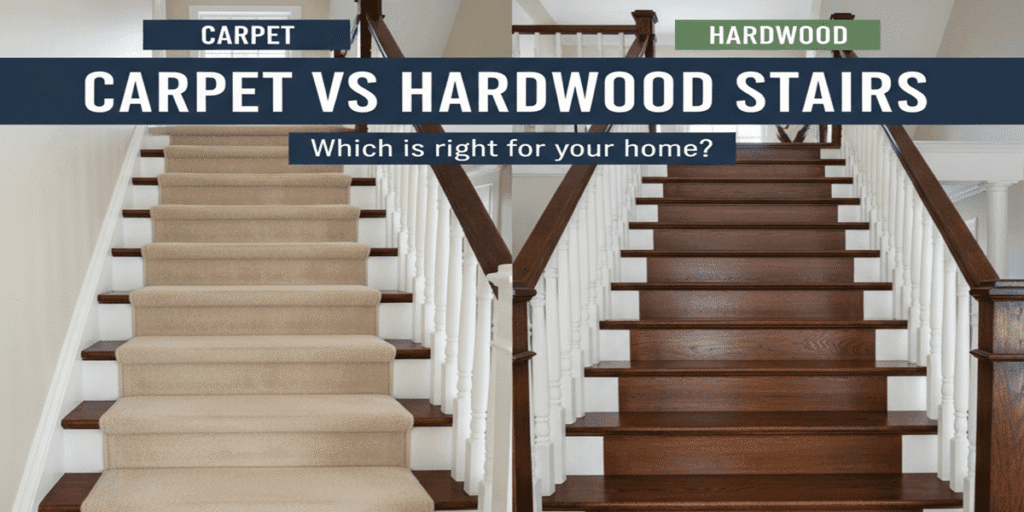
Installers pick frieze for stairs since twisted yarn springs back. The pile masks compression at nosings and turns. This fits the query best carpet for stairs high traffic and if you’re torn between materials, here’s a quick look at carpet on stairs vs hardwood treads for safety, grip, and upkeep.
Frieze also blends seams on landings. Plush can “shadow” along seam lines under raking light. Many pros steer frieze to frieze vs plush in living room high traffic zones as well.
Simple checklist for steps
- Choose higher twist and higher density.
- Add stair-rated pad with firm support. Here’s a high-density stair carpet pad option that matches most installer recommendations.
- Confirm seam plan to reduce exposure.
Fiber choices (nylon, PET, wool): stain protection, resilience, and warranties
Nylon delivers top rebound and wear. It leads nylon vs polyester carpet durability stats, and it pairs well with stain guard. Nylon frieze in busy rooms gives a strong mix of bounce and concealment.
Polyester (PET) resists stains well, and solution dyed polyester carpet locks in color. PET suits bedrooms and media rooms. Use the spec table to avoid low-density PET in heavy paths.
Wool offers natural resilience and a rich hand. With sustainability and material innovation increasingly shaping flooring choices, it’s worth reviewing current trends and sustainability in the flooring industry to see how your fiber choice might fit emerging demands. It costs more and needs steady care, yet it wears gracefully with the right pad and cleaning plan.
Targeted match-ups
- Nylon frieze vs polyester plush durability: nylon frieze wins in traffic; polyester plush wins on soft feel and color depth.
- Frieze carpet for pets and kids: twisted pile hides mess until cleanup; pair with stain treatment for pet friendly carpet stain resistance.
Warranty quick hits
- Check fiber, face weight, and density against carpet warranty requirements.
- Keep receipts for pad and hot-water extraction.
- Follow the brand carpet maintenance schedule to protect coverage.
One last check: do stairs, hallways, and a busy family room define your home? If yes, lean frieze with higher twist and density; place plush in quiet bedrooms for softness.
Comfort & aesthetics: softness, formal vs casual style, and room acoustics
Frieze delivers a relaxed, textured look that many call frieze carpet modern shag style. Plush gives a smooth, velvet-like surface with standout bedroom carpet softness and a formal vibe. Do you want a uniform, dressy surface or a cozy texture that hides seams and tracks? If you’re also eyeing looped styles, here’s Berber compared with plush for texture, snag risk, and maintenance.
Plush reads elegant in low light and shows color depth. Frieze scatters light, softens edges, and hides carpet seam visibility better in open rooms.
Footprints and marks: plush often shows carpet shows footprints and vacuum marks; frieze hides most tracks. A quick groom or a vacuum for plush carpet reduces shading after guests leave.
Texture vs uniformity: plush (often linked with saxony vs plush carpet) looks tailored and precise. Frieze looks casual and forgiving in busy spaces like family rooms and play areas.
Room acoustics: both cut pile types absorb sound. Frieze’s twist and texture break up reflections, so TV rooms and hallways feel quieter; plush still calms echo in bedrooms.
| Feel & Look | Plush | Frieze |
| Softness | Very soft, “velvet” hand | Soft with springy texture |
| Style | Formal, uniform | Casual, textured |
| Tracks | Shows footprints and vacuum lines | Hides most tracks |
| Seams | More visible on long runs | Better camouflage |
| Acoustics | Good in small rooms | Strong in open or lively rooms |
Design fit: modern, traditional, or kid-friendly?
Modern or formal spaces love plush for clean lines and even color. Traditional rooms use plush for classic warmth and clear pile direction.
Busy homes often pick frieze for its forgiving texture and family room carpet durability. Kid-friendly or pet zones benefit from stain-protected fibers and a surface that hides day-to-day wear.
Quick picks
- Choose plush for primary suites, guest rooms, and formal living.
- Choose frieze for media rooms, hallways, and play areas.
- Need a fast test at the store? Press a hand into each and check which shows tracks after 10 seconds.
Pad pairing for comfort (rebond, memory foam, rubber) and warranty requirements
Pad changes feel, sound, and support. Match carpet padding types and thickness to the carpet spec and carpet warranty requirements. Many plush styles feel best with mid-firm rebond; very soft foam can add rolling waves. Frieze likes supportive rebond or rubber that keeps twist from crushing.
Simple pad guide:
- Bedrooms with plush: 7/16″ rebond, 6–8 lb density, soft footfall. You can preview rebond pad options in this density range (affiliate link) to see price differences.
- Family rooms with frieze: 3/8″–7/16″ rebond or rubber, 8–10 lb density for bounce and support.
- Stairs: thinner, denser pad to reduce flex and seam peaking.
One last check: bring a hand vac head or a stiff brush to the sample. Create a pass and see how each surface reacts. Which look matches your daily routine?
Pets, kids & messes: stain resistance and cleaning reality
Homes with pets and children test every carpet type. Frieze vs plush carpet for stairs and living spaces often comes down to how each handles stains and traffic. Frieze’s twisted fibers hide dirt and pet hair, while plush fibers show more footprints and vacuum marks.
A pet friendly carpet stain resistance rating helps prevent long-term odor and discoloration. Look for solution dyed polyester carpet or nylon fibers with built-in stain blockers. These resist spills better than basic polyester and keep color longer.
Keep a simple cleaning plan:
- Daily: Vacuum high-traffic zones. Use a height-adjustable vacuum recommended for plush carpet to protect the pile.
- Weekly: Spot-clean spills quickly using manufacturer-approved solutions.
- Quarterly: Refresh with a deep extraction service to lift embedded debris.
Families often prefer frieze carpet for pets and kids since its higher twist hides crumbs and paw marks. Plush works well in quiet bedrooms but needs grooming to reduce shading. A clear carpet maintenance schedule keeps both looking fresh.
Costs, installation, and lifespan: what homeowners really pay
Carpet pricing varies by fiber, density, and labor. The carpet installation cost per square foot averages:
| Carpet Type | Low-End Installed | Mid-Range Installed | Premium Installed |
| Frieze | $3.50–$5.50 | $6.00–$8.50 | $9.00–$12.00 |
| Plush | $3.00–$5.00 | $6.00–$8.00 | $9.00–$11.50 |
Frieze carpet cost per square foot installed runs slightly higher since dense twists take longer to stretch and seam. Add $0.75–$1.50 per sq ft for carpet padding types and thickness upgrades that improve feel and extend lifespan.
Average lifespan depends on care and materials:
- Nylon frieze vs polyester plush durability: nylon lasts 12–15 years; polyester averages 8–10 years.
- Solution dyed polyester carpet resists fading and can extend life by 2–3 years.
- Warranties vary—review carpet warranty requirements for coverage on stains, wear, and pad density.
Regular vacuuming and annual cleaning protect investment. When maintained, both options keep their texture and color well beyond the warranty window.
Best rooms for each: pair the carpet to the space and lifestyle
Choosing by room simplifies the how to choose between frieze and plush carpet decision.
- Frieze: Great for family room carpet durability, hallways, and stairs. The higher twist hides seams and handles heavy foot traffic. It’s ideal for best carpet for stairs high traffic areas since it resists flattening.
- Plush: Better for quiet spaces where appearance matters. Bedroom carpet softness and a formal look make plush a top pick for master suites and guest rooms. Still deciding on hard surface? Compare vinyl plank vs carpet for bedrooms for noise, warmth, and allergy concerns.
A quick match guide:
| Room Type | Recommended Carpet | Key Benefit |
| Living Room (Busy) | Frieze | Hides wear, supports frieze vs plush in living room high traffic comfort |
| Bedroom | Plush | Soft, smooth texture |
| Stairs & Hallways | Frieze | Durable, fewer visible seams |
| Formal Sitting Room | Plush | Elegant look with even color |
| Playroom | Frieze | Easy cleaning and stain hiding |
If appearance retention and warmth matter, plush wins. If practicality and easy care matter, frieze leads. Either way, the right match of pile, pad, and routine keeps your floors looking new for years.
Maintenance schedule & care: keep it looking new without overwork
Clean carpet lasts longer, looks better, and keeps warranties valid. Both frieze and plush styles benefit from a steady carpet maintenance schedule that fits real life. For detailed, official carpet cleaning & maintenance guidelines from the Carpet and Rug Institute, you can ensure you’re aligned with industry-recognized best practices. The goal is to protect fiber shape, twist, and face weight so traffic zones stay fresh.
Weekly
- Vacuum two to three times a week with a quality upright. A vacuum for plush carpet should have adjustable height and strong suction without a beater bar that digs too deep.
- For frieze carpet, use a rotating brush to lift the twist fibers upright. This keeps that soft, frieze carpet modern shag style from flattening.
Monthly
- Spot-clean spills fast. Blot—not rub—using mild detergent or vinegar solution. Keep a simple checklist of approved cleaners from your brand.
- Groom plush areas using a carpet rake to minimize shading. It reduces marks where carpet shows footprints and vacuum marks.
Quarterly
- Move furniture slightly every few months. This avoids permanent pile dents.
- Sprinkle baking soda before vacuuming to reduce odors, helpful in homes with pets or kids. It complements a pet friendly carpet stain resistance routine.
Annually
| Task | Details | Benefit |
| Professional hot water extraction | Use certified cleaners every 12–18 months | Maintains warranty and removes embedded grit |
| Fiber inspection | Check for fraying or uneven color | Confirms carpet warranty requirements remain valid |
| Pad check | Inspect underlay for compression | Extends comfort and life span |
Keep a note to refresh your cleaning plan each year. Local climate, pets, and kids change how frieze vs plush wear and how often deep cleaning helps.
Buying checklist & mistakes to avoid (samples, specs, and guarantees)
Before buying, compare specs side by side. These small checks prevent early wear and warranty voids. Use this list to spot weak areas in quotes or sample swatches.
Step 1: Review carpet samples under natural light
Look for track marks and shading on plush. Step on samples to see if does plush carpet show footprints more than frieze applies to your lighting. Bring both into the same room before final choice. You can also order low-cost frieze and plush sample packs so you can test footprint recovery at home.
Step 2: Read technical specs carefully
| Spec | Recommended Range | Why it matters |
| Carpet twist level | 5+ twists per inch for frieze | Resists matting in frieze vs plush in living room high traffic zones |
| Face weight | 40–60 oz/yd² | Higher means denser feel; check the carpet density face weight chart |
| Fiber type | Nylon, PET, or wool | Impacts nylon vs polyester carpet durability and stain performance |
| Backing | Dual or synthetic | Adds strength, limits seam visibility |
| Padding | 6–8 lb density rebond | Aligns with carpet padding types and thickness guidelines |
Step 3: Ask these key questions
- What does the carpet warranty requirement cover on stairs and hallways?
- Does the installer document seam layout to minimize carpet seam visibility tips issues?
- Are pad specs approved by the manufacturer for warranty coverage?
Step 4: Avoid these common mistakes
- Picking by color alone without checking frieze carpet pros and cons or plush carpet pros and cons.
- Ignoring the difference between frieze vs plush carpet for stairs, where density and twist matter most.
- Skipping pad quality; the best carpet padding for plush bedrooms often outlasts cheaper underlays.
Step 5: Confirm price and lifespan
Ask for total carpet installation cost per square foot, including pad, removal, and trim. Review frieze carpet cost per square foot installed to compare real values. Then match it with estimated plush vs frieze carpet lifespan and warranty details from the brand sheet.
A careful buyer saves on maintenance and replacement. With solid specs, right padding, and a clean schedule, your carpet stays soft, fresh, and beautiful for years.

Frequently Asked Questions
Is frieze carpet better than plush for high-traffic areas and stairs?
Frieze handles wear well on treads and landings. Tight twist hides paths and seams, which suits the best carpet for stairs high traffic. Plush gives a formal look, yet tracks show fast on steps. For frieze vs plush carpet for stairs, installers often pick frieze for safety, grip, and resilience.
Which shows footprints and vacuum marks more, frieze or plush?
Plush shows footprints and vacuum lines quickly. To help reduce shading, many homeowners use a carpet grooming rake, which lifts the pile and restores an even look. The smooth, dense surface highlights nap shifts, so carpet shows footprints and vacuum marks more than frieze. Frieze’s twist and texture scatter light and conceal tracks in family rooms and hallways. Want a clean look between runs of the vacuum for plush carpet? Groom lightly after cleaning.
What’s the typical installed price difference between frieze and plush?
Both sit near each other for carpet installation cost per square foot. Frieze carpet cost per square foot installed trends with fiber, face weight, and pad quality. Plush with premium density or wool can price higher. Request line-item quotes for pad, seams, stairs, and tear-out to compare apples to apples.
Does plush carpet flatten faster than frieze, and can I fix shading?
Plush can show shading and flattening sooner in busy zones. Set a simple carpet maintenance schedule: frequent vacuuming with proper height, periodic grooming, and hot water extraction by a pro. Plush carpet maintenance to reduce shading includes raking high-traffic lanes and rotating area rugs to balance wear.
Are frieze or plush better for homes with pets and kids?
Frieze hides crumbs and tracks, so frieze carpet for pets and kids works well. Choose solution dyed polyester carpet for stain resistance or nylon for bounce-back. Nylon vs polyester carpet durability varies by density and twist. Plush offers soft feel for bedrooms, yet shows mess faster in play spaces.
What pad thickness and density should I use under plush vs frieze?
Aim for quality carpet padding types and thickness that match brand specs. Plush bedrooms favor a slightly thicker pad with medium-firm density for support and comfort; see best carpet padding for plush bedrooms on labels. Frieze often pairs with firmer pads on stairs. Check carpet warranty requirements before purchase.
Can I use frieze in bedrooms without it looking too informal?
Yes. Modern frieze carpet modern shag style brings cozy texture and bedroom carpet softness without heavy tracks. Choose a calm color and higher face weight for a tailored look. Seam placement matters; follow simple carpet seam visibility tips, and align pile to light sources for a polished finish.
Conclusion
A smart floor choice starts with clear goals. This guide compared carpet frieze vs plush so you match traffic, style, and budget to the right pile without guesswork.
You saw frieze carpet pros and cons and plush carpet pros and cons in plain terms. You learned how twist, density, and carpet padding types and thickness shape feel, wear, and seams across bedrooms, stairs, and busy family rooms. Next steps are simple. Bring large samples home, check the spec label, confirm carpet warranty requirements, and set a light carpet maintenance schedule that fits pets and kids.
If you’d like a shortcut, you can browse frieze or compare plush carpet styles online to narrow choices before visiting a store.
Want real-world feedback before you buy? Share your floor plan and room photos in the comments, or tell us which sample passed your footprint test.