Disclosure: Classy Floor is reader-supported. As an Amazon Associate, we earn from qualifying purchases. We may also earn commissions from other affiliate programs, at no additional cost to you. Learn more →
Mold in carpets is more common than most homeowners realize. It often develops silently after water damage, plumbing leaks, or high indoor humidity. Carpet mold not only damages flooring and padding but can also impact indoor air quality, triggering allergies, respiratory irritation, and even long-term structural issues.
Below, we’ll explain exactly how to know if carpet has mold, how it forms, and what to do next, including safe cleaning methods and prevention strategies.
What Causes Mold to Grow in Carpets?
Mold is a type of fungus that reproduces through airborne spores. These mold spores settle on damp materials such as carpet fibers, padding, and subflooring. When moisture combines with organic dust and warmth, spores germinate, often within 24 to 48 hours of exposure.
Carpets are highly absorbent, trapping water and humidity deep in their layers. Common causes include:
- Flooding or plumbing leaks
- Excess indoor humidity (above 60% RH)
- Poor ventilation in basements or bathrooms
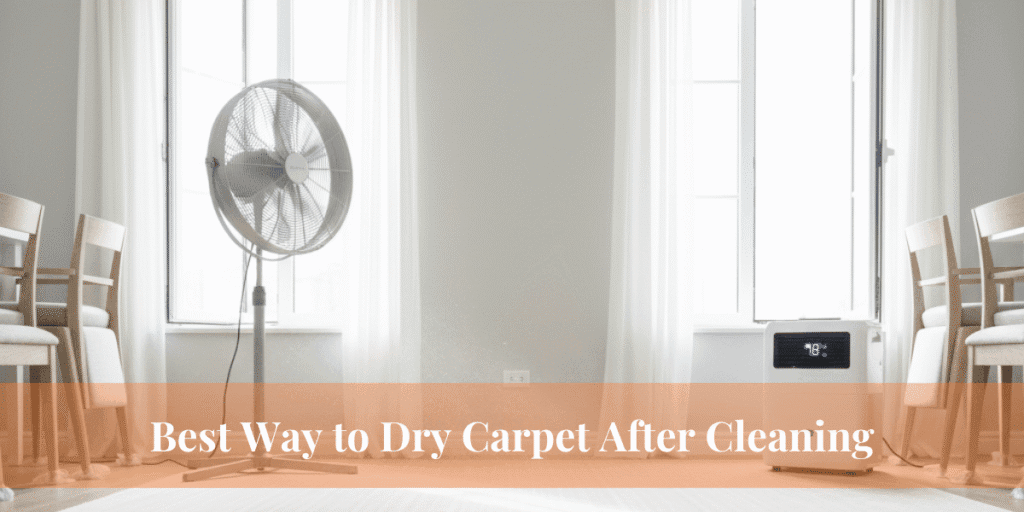
- Failure to dry carpets thoroughly after cleaning, especially if you don’t follow the best ways to dry carpets after cleaning, can trap hidden moisture and trigger mold growth within hours.
According to environmental studies, indoor mold can start forming when relative humidity exceeds 55%. This makes regular moisture control crucial to prevent hidden mold colonies beneath carpets and rugs.

How to Know If Carpet Has Mold – 5 Key Signs to Look For
When mold begins to grow, it leaves several visible and sensory clues. Here are the most reliable indicators:
1. Musty or Earthy Odor
A persistent musty smell is one of the earliest and strongest signs of carpet mold. These odors come from microbial volatile organic compounds (mVOCs) released during fungal metabolism. If the smell worsens after rain, humidity, or running your HVAC system, it’s likely that mold is active beneath the carpet fibers.
2. Visible Discoloration or Stains
Check for unexplained dark, green, or yellow patches that weren’t present before. These blotches may look like dirt but don’t disappear with vacuuming. Use a flashlight to inspect baseboards and carpet edges, areas where moisture typically accumulates first.
3. Persistent Dampness
Mold thrives in moisture. If sections of your carpet feel damp for more than 24 hours, especially near walls or under furniture, hidden mold growth is likely. Moisture meters or infrared sensors can confirm elevated humidity in the carpet backing or subfloor.
4. Allergy or Respiratory Symptoms
If you or anyone in your home experiences coughing, sneezing, itchy eyes, or shortness of breath that improves when away from home, carpet mold might be the cause. Exposure to mold spores is known to aggravate asthma and sinus conditions, particularly in children and older adults.
5. Positive Mold Test
For confirmation, use an at-home mold test kit or send a sample to an AIHA-accredited environmental lab. Professional testing identifies the specific mold species (like Aspergillus, Penicillium, or Stachybotrys chartarum) and the concentration level, helping you decide whether remediation is needed.

How to Remove Mold from Carpets Safely
Step 1: Confirm the Source
Before cleaning, identify and stop the source of moisture, whether it’s a leak, condensation, or high humidity. Otherwise, mold will return.
Step 2: Wear Protective Gear
Always wear gloves, a respirator mask (N95 or higher), and eye protection. Mold spores can irritate skin and lungs during cleaning.
Step 3: Clean the Affected Area
For mild cases:
- Sprinkle baking soda or white vinegar to neutralize odor and kill surface mold.
- Scrub with a brush and warm water, then blot dry. If you’re unsure about which equipment works better, learn about the difference between carpet shampooers and steamers before starting.
- Vacuum thoroughly with a HEPA filter vacuum to trap spores.
For severe cases or when mold covers large areas (over 10 sq ft), professional mold remediation is strongly recommended. Experts can safely remove contaminated materials and sanitize subflooring.
Step 4: Dry the Carpet Completely
Use fans and dehumidifiers to keep humidity below 50%. Run your HVAC system in “dry mode” if available. Even minor residual moisture can restart mold growth within days.
Preventing Carpet Mold and Future Moisture Damage
Prevention is about moisture control. Understanding whether improper carpet cleaning can cause mold helps you take smarter preventive steps. To keep your carpets mold-free:
- Use a dehumidifier in humid rooms or basements.
- Repair plumbing and roof leaks promptly.
- Avoid installing wall-to-wall carpeting in bathrooms or kitchens.
- Keep relative humidity between 40–50%.
- Vacuum frequently to remove organic debris.
If carpets have been soaked for more than 48 hours or emit a strong odor even after drying, replacement is often safer than cleaning.
When to Get Professional Mold Testing
If you suspect hidden mold but can’t see it, professional mold testing offers clarity. Certified labs analyze air or surface samples to determine contamination levels. Accurate testing ensures you know the scope of the problem before investing in cleaning or replacement.
Final Thoughts
Knowing how to tell if your carpet has mold protects both your home and health. If you’re planning to replace mold-damaged flooring, compare the cost differences between carpet and luxury vinyl plank before making a decision.
Mold can hide deep within carpet fibers, but early detection through smell, appearance, and testing can prevent costly damage. If in doubt, consult a certified mold inspector or environmental testing lab for accurate results and remediation guidance.

Frequently Asked Questions
Can carpet mold be completely removed without replacing the carpet?
Yes, if the mold growth is limited, surface-level, the carpet backing and padding remain dry, and the moisture source is resolved, then cleaning, drying, and sanitizing can eliminate the problem. But if mold has penetrated the padding, backing or sub-floor, or remains after cleaning, replacement is often the safest option.
How quickly can mold start growing in a carpet after water damage?
Mold can begin to colonize carpet fibers and backing within 24-48 hours after exposure to moisture, if the area remains damp and ventilation is poor.
What are the most common signs that a carpet has mold underneath or within it?
Key indicators include: a persistent musty or earthy odor in the room, visible discoloration (black, green, yellow or brown patches) on carpet surface or edges, damp or wet areas of carpet that don’t dry, increased allergy or respiratory symptoms while in the room.
Is bleach effective for removing carpet mold?
No, bleach is not recommended for carpets, because it often cannot penetrate porous backing or padding, may discolor fibres, and fails to address hidden mold that has grown underneath surface layers.
When should I call a professional mold remediation expert for carpet mold?
You should call a professional when: the mold-affected area is large (for example >10 square feet or involves padding/sub-floor), when there’s a strong musty odor despite cleaning, when occupants have serious allergies/asthma or health vulnerabilities, or when the source of moisture is unknown or ongoing.
How can I test or check whether my carpet has mold or hidden mold growth?
Steps include: lifting carpet edges or seams and inspecting the backing and padding for discoloration or fuzzy growth, using a moisture meter to check for sustained dampness beneath the carpet, using at-home mold test kits (surface or air sampling) or hiring a certified lab for professional testing.
What are the best prevention strategies to keep carpet mold-free in the future?
Effective prevention includes controlling indoor humidity (ideally under 50‐60%), repairing leaks and water intrusions promptly, drying any wet carpet within 24-48 hours, avoiding carpeting in high-moisture areas (basements, bathrooms), using moisture‐resistant padding and regular vacuuming/clean-up of dust and debris.