Disclosure: Classy Floor is reader-supported. As an Amazon Associate, we earn from qualifying purchases. We may also earn commissions from other affiliate programs, at no additional cost to you. Learn more →
Do you want soft underfoot comfort or track-proof durability that hides everyday wear? This guide compares loop pile carpet vs cut pile carpet in plain terms so you can match style, budget, and performance to each room.
You get clear answers on texture, stain resistance, and footprint visibility. You see how pile height, fiber type, and carpet padding shape comfort and longevity.
We break down best picks for stairs, hallways, living rooms, and bedrooms. Expect quick wins like a side-by-side table and a simple maintenance plan.
You learn where Berber loops shine in high-traffic zones and where plush, Saxony, or frieze bring cozy feel. We flag pet-friendly choices, color retention cues, and common snag or dent issues.
Read on to choose with confidence. Save time, avoid guesswork, and get a floor that fits your home for years.
Loop pile vs cut pile carpet: key differences, pros & cons (comparison table)
Need stair-safe traction or plush bedroom comfort? This section gives a fast, plain-English look at loop pile vs cut pile so you can match style, budget, and daily use. You see how structure, fiber, and padding shape feel, stain resistance, and lifespan.
At a glance:
| Factor | Loop pile (level loop, multi-level loop, Berber) | Cut pile (plush, Saxony, frieze, textured) |
| Structure | Loops remain uncut; tight loop pile structure resists matting. | Yarn tips are sheared; cut pile shearing creates a soft, open surface. |
| Feel underfoot | Firm, stable, low-profile comfort. | Soft, cushioned, “sink-in” feel; best carpet for bedrooms comfort. |
| Look / tracks | Hides soil and traffic; textured carpet tracks and footprints stay low. | Can show footprints and vacuum marks; plush and Saxony show carpet shading and pile reversal. |
| Durability & wear | Strong in high-traffic carpet for stairs and hallways; good tuft bind strength. | Frieze resists wear; plush and Saxony trade some resilience for softness. |
| Stain resistance | Olefin and solution-dyed options lead stain resistance carpet types. | Triexta carpet durability and stain defense rate high; nylon needs protectants. |
| Best for | Entry, halls, family rooms, commercial vs residential carpet with heavy use. | Bedrooms, living rooms, media rooms seeking warmth and luxury. |
| Not ideal for | Claw-happy pets (snag risk on some Berbers); thick pads that add bounce. | Muddy entries and play zones that need track masking. |
| Typical installed price band* | Budget–mid for synthetics; premium for wool Berber. | Mid–premium; plush/Saxony in wool trend higher; frieze sits mid. |
| Lifespan & warranty | Long wear in loops; check carpet lifespan and warranty by fiber and density. | Varies by style; denser, higher twist levels extend life; confirm coverage terms. |
| Install notes | Pro fit shines on stairs; seams blend well in level loop vs multi-level loop patterns. | DIY vs professional carpet installation depends on room shape; pro fit helps with plush seam visibility. |
*Carpet installation cost per square foot varies by region, fiber, and underlay grade. Get 2–3 local quotes that list carpet padding vs underlay specs.
How carpet construction affects performance (tufting, pile height, twist level)
Tufting locks yarn into the backing; loop piles keep the crown intact for better wear and snag control. Cut piles shear the crown, so pile height and carpet fiber density and twist set the feel and track masking. Higher twist in frieze curls the yarn and boosts recovery, while Saxony uses straight, uniform tips for a refined look.
Backing and padding matter. Firm underlay supports loops on stairs; plush rooms gain comfort from thicker pads within maker limits. Yarn choice shifts results: nylon vs olefin vs wool carpet changes resilience and color retention; triexta adds strong stain defense.
Pros & cons summary for real homes (pets, kids, stairs, bedrooms)
Loop pile (Berber carpet pros and cons):
- Pros: Strong wear resistance; pattern helps hide soil; solid pick for high-traffic carpet for stairs; good for commercial vs residential carpet needs.
- Cons: Loop pile snagging with pets can occur; coarse loops feel firmer; some styles limit plush look.
Cut pile (plush carpet pros and cons):
- Pros: Plush and Saxony deliver luxury underfoot; frieze handles traffic with high twist; broad pet-friendly carpet options with triexta and treated nylon.
- Cons: Cut pile footprints and dents fix steps may be needed; shows tracks; softer tips can crush without the right density.
Quick tips:
- For bedrooms, plush vs loop depends on comfort goals and noise control.
- For stairs, choose tight level loop with strong tuft bind or a dense frieze.
- For long value, check carpet color retention, stain coverage, and the written warranty.
- For cost control, compare carpet underlay types and price on the quote sheet.

Best rooms and use cases: where loop and cut piles make sense
A smart pick starts with the room. Traffic, comfort, and cleaning needs drive the choice more than trend.
Room-by-room picks
| Room / Use | Recommended pile | Suggested fibers | Why it works | Notes |
| Stairs & hallways | Level loop / Berber, or tight frieze | Nylon, triexta | High-traffic carpet for stairs needs firm twist and strong tuft bind. Loops hide soil; frieze masks tracks. | Watch loop pile snagging with pets. Check carpet installation cost per square foot and carpet underlay types and price. |
| Living room | Textured cut pile or frieze | Triexta, nylon | Textured carpet tracks and footprints appear less. Softer hand with good resilience. | Great for frieze vs Saxony carpet debates where track marks matter. |
| Bedrooms | Plush or Saxony | Nylon, polyester | Best carpet for bedrooms comfort with a cushioned feel. Warm, quiet surface. | Shows footprints and carpet shading and pile reversal; use carpet padding vs underlay that boosts comfort. |
| Playroom / kids’ zone | Dense cut pile with high twist | Triexta | Strong stain resistance carpet types and easy spot clean. | Look for kid-friendly flooring warranties. |
| Pet zones | Textured cut or low-profile loop | Nylon, polyester | Resists tracks and helps color retention. Easier hair release with regular vacuuming. | Avoid large-loop Berber for claws; pick pet-friendly carpet options. |
| Basement / low-traffic lounge | Multi-level loop or dense cut | Olefin (polypropylene), polyester | Budget-friendly feel with solid color retention. | Compare nylon vs olefin vs wool carpet trade-offs. |
| Entry of small office | Level loop (commercial grade) | Solution-dyed nylon | Durable face yarn and stable surface. | Commercial vs residential carpet warranties differ; confirm carpet lifespan and warranty terms. |
High-traffic areas: stairs & hallways (snagging and wear resistance)
Stairs punish weak fibers and loose twists. Level loop or Berber handles shoe scuffs and hides soil. A tight frieze works too if you want a softer step. If you’re still weighing finish choices, here’s a quick look at carpeted stairs vs hardwood pros and cons to help decide what’s safest, quietest, and easiest to maintain.
Add density and twist for long wear. Pick nylon or triexta for strong recovery and stain defense. Do you have cats that hook loops? Use low-profile loop or textured cut to lower snag risk.
Quick picks:
- Choose loop for maximum wear, pattern hold, and easy vacuum lines.
- Choose frieze for fewer tracks and a softer underfoot feel.
Cozy spaces: bedrooms & living rooms (plush vs low-profile look)
Bedrooms reward comfort. Plush and Saxony bring a cushy feel that suits bare feet. Best carpet for bedrooms plush vs loop leans plush if you want quiet and warmth.
Living rooms face foot traffic and TV-time lounging. Textured cut pile or frieze softens the look and hides marks. Saxony vs frieze carpet comes down to track tolerance and style. Do you prefer a smooth, formal nap or a casual, textured vibe? Still deciding between wall-to-wall carpet or an area rug for layout flexibility and cleaning ease?
Tips for fewer marks:
- Use textured cut to mute footprints and vacuum trails.
- Keep pile height moderate to limit dents and improve indentation recovery.
Commercial vs residential: durability ratings & warranties to check
Commercial spaces need higher density, tighter gauge, and stronger tuft bind. Level loop with solution-dyed nylon keeps color fast and cleans well. Residential areas allow softer cuts and thicker padding. If indoor air quality matters, review EPA guidance on low-VOC, greener carpet and look for low-emission products alongside performance specs.
Check warranty language on carpet lifespan and warranty for stairs, stairs with landings, and hallway seams. Review stain, soil, and texture retention terms. Add padding that matches traffic and budget, then compare carpet installation cost per square foot before you buy.
Warranty checklist:
- Traffic rating for your use case.
- Texture retention and color retention terms.
- Pet and stain coverage periods.

Durability, stain resistance & maintenance: what really lasts
Carpet strength depends on structure, fiber, and density. The right mix helps it stay attractive longer in busy rooms like stairs, halls, or living spaces. Knowing how loop pile vs cut pile carpets respond to wear helps you choose flooring that looks good year after year.
Strength starts with structure
Loop pile carpets such as Berber, level loop, and multi-level loop styles resist flattening because the loops stay intact. They perform well in heavy traffic and commercial settings. Cut pile carpets like plush, Saxony, and frieze give a soft feel but may compress faster under constant use. The carpet fiber density and twist level decide how long the surface keeps its shape.
| Feature | Loop Pile Carpet | Cut Pile Carpet |
| Durability | Strong for traffic areas | Moderate to high based on fiber |
| Stain Resistance | Best with nylon or olefin | Strong with triexta or polyester |
| Comfort | Firm, textured feel | Soft, cushioned feel |
| Maintenance | Simple vacuuming | Needs grooming and care |
| Snag Risk | May catch on claws | Rarely snags |
Stain resistance by fiber
Fiber choice affects stain control. Nylon balances durability and stain protection. Olefin resists moisture and fading, making it ideal for loop pile. Triexta blends softness with permanent stain resistance, a good fit for families or pets. Wool offers natural soil resistance but needs gentle handling and low-moisture cleaning.
Snagging and fraying in loops vs pile crush in plush/Saxony
Loops resist matting but can snag under sharp claws or dragged furniture. Cut piles, such as plush or Saxony, avoid snagging but can show dents or footprints. Textured and frieze carpets help mask wear patterns, making them great pet-friendly carpet options for busy homes.
Footprint & vacuum mark visibility (texture, pile reversal, shading)
Cut pile carpets can show footprints, vacuum lines, and shading, common in plush or Saxony styles. Textured or twisted cuts, and multi-level loops, hide tracks better. If you want clean-looking floors between cleanings, Berber or textured carpet designs work well.
Maintenance schedule checklist
A steady care plan adds years to carpet life:
Weekly
- Vacuum high-traffic zones.
- Lightly brush pile to restore texture.
Monthly
- Treat spills early.
- Move furniture slightly to reduce dents.
Annually
- Schedule deep or steam cleaning following the IICRC S100 professional cleaning standard for methods and frequencies.
- Check seams and backing for wear.
Keeping a carpet maintenance schedule (weekly, monthly, yearly) supports carpet lifespan and warranty. Pair your carpet with the right carpet padding vs underlay to improve comfort, absorb impact, and reduce wear.
Durability comes from balanced choices, strong fibers, solid structure, and consistent care. Pick what fits your lifestyle, and your carpet will stay fresh, soft, and clean for many seasons.
Carpet fibers that change the outcome: nylon vs polyester vs olefin vs wool vs triexta
Every carpet fiber reacts differently to foot traffic, spills, and sunlight. The fiber you pick changes comfort, color, and how long the carpet looks fresh. Here’s how each major type performs under daily use and what suits your space best.
1. Nylon – the durability leader
Nylon is known for strong wear resistance and excellent texture retention. It bounces back from foot traffic and vacuum marks, which helps reduce visible tracking in both loop pile and cut pile carpets.
- Best for: high-traffic areas such as stairs and hallways.
- Key traits: high carpet fiber density and twist, strong stain protection (especially in treated nylon), and wide color options.
- Downside: can fade slightly under direct sunlight without UV protection.
2. Polyester – soft feel and rich color
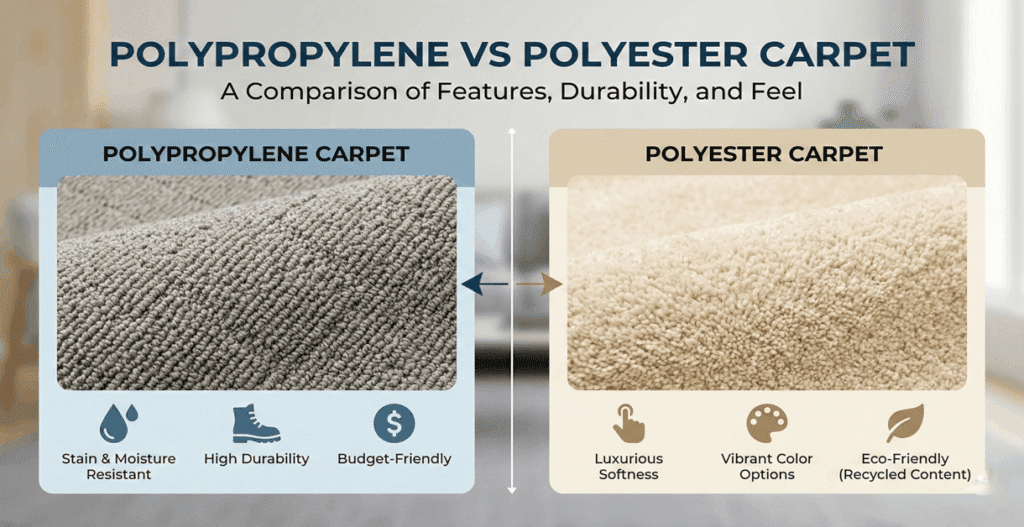
Polyester offers a plush surface that feels comfortable underfoot, especially in bedrooms and living rooms. It has strong color retention and is often made from recycled PET, making it part of many eco-friendly carpet options.
- Best for: bedrooms and low-traffic spaces.
- Strengths: bright color tones, good stain resistance, lower cost per square foot.
- Limitations: less resilience than nylon; may show footprints or dents in cut pile styles like plush or Saxony.
3. Olefin (Polypropylene) – affordable and moisture-resistant
Olefin fibers resist moisture, mildew, and staining, which makes them ideal for basements and commercial loop pile installations. Many Berber carpets use olefin loops for durability at a lower price point.
- Best for: basements, playrooms, and commercial areas.
- Benefits: stain-resistant, budget-friendly, quick-drying.
- Watch for: lower crush resistance — heavy furniture may flatten the pile.
4. Wool – natural luxury with lasting comfort
Wool carpets add warmth, insulation, and natural stain resistance from lanolin fibers. They hold color beautifully and feel premium underfoot, especially in cut pile or textured loop designs.
- Best for: bedrooms and living rooms with moderate traffic.
- Pros: renewable fiber, excellent texture, and air-quality benefits for those seeking low-VOC carpet options.
- Cons: higher upfront cost and more frequent maintenance to prevent fading and matting.
5. Triexta – the performance hybrid
Triexta combines durability like nylon with the stain resistance of polyester. It resists crushing, fading, and stains without needing topical treatments. Many families choose triexta for pet-friendly carpet options and busy homes.
- Best for: family homes with pets and children.
- Advantages: soft feel, triexta carpet durability, low maintenance needs.
- Care: regular vacuuming keeps it resilient for over a decade.
Quick Fiber Comparison Table
| Fiber Type | Durability | Stain Resistance | Texture Retention | Comfort | Eco-Friendliness | Ideal Use |
| Nylon | Excellent | High (treated) | Excellent | Medium | Moderate | High-traffic areas, stairs |
| Polyester | Fair | Excellent | Moderate | High | High (recycled PET) | Bedrooms, living rooms |
| Olefin | Good | Very High | Moderate | Medium | Moderate | Basements, commercial |
| Wool | Good | Natural | Good | High | Excellent (renewable) | Bedrooms, premium spaces |
| Triexta | Excellent | Excellent | Excellent | High | Moderate | Family & pet-friendly homes |
Each fiber reacts differently to cleaning and wear. Think about traffic levels, maintenance habits, and the look you prefer. Do you want long-lasting resilience or luxurious comfort? Matching the right fiber to your lifestyle helps the carpet maintain beauty through its full lifespan and warranty period.
Design & feel: texture, pattern visibility, and style choices
Texture shapes first impressions and daily comfort. Do you want a low-profile surface that hides soil and seams, or a plush hand that invites bare feet? Use the notes below to match pattern, track masking, and softness to each room.
Quick appearance guide
| Style | Look & Texture | Pattern visibility | Tracks/footprints | Best room vibe |
| Level loop (Berber) | Tight, low profile | Subtle, even grid | Low; hides traffic | Clean, modern, practical |
| Multi-level loop | Sculpted, textured | Medium; visible pattern | Low–medium | Patterned, visual interest |
| Textured cut pile | Twisted, casual | Low; mottled surface | Low–medium; masks marks | Family-friendly, relaxed |
| Saxony | Smooth, plush | Low; uniform color field | Medium–high; shows tracks | Formal, plush carpet feel |
| Frieze | Long, high twist | Low; pebbled look | Low; great at camouflaging | Busy homes, hallways |
| Plush (velvet) | Dense, luxe | Low; elegant plain tone | High; shows shading | Quiet bedrooms, soft underfoot |
Berber loop vs textured cut: hiding dirt, seams, and tracks
Loop pile Berber excels at disguise. The tight level loop or flecked yarn masks soil, seams, and vacuum marks, key wins in high-traffic carpet for stairs and hallways. Multi-level loop adds pattern that distracts the eye without visual clutter.
Textured cut pile uses a higher twist to break up light. This surface helps with textured carpet tracks and footprints, so day-to-day marks fade fast. Berber carpet pros and cons: top marks for durability and snag risk to watch if pets claw at loops (loop pile snagging with pets).
Good fits
- Level loop for corridors, play zones, and rental units (commercial vs residential carpet needs vary).
- Textured cut pile for living rooms that need comfort plus easy care.
Saxony vs frieze vs plush: softness vs track marks
Saxony brings a smooth, uniform face with a soft hand. The trade-off is visible footprints and vacuum trails, a common topic in plush carpet pros and cons. Plush (velvet) goes deeper on luxury and shows the most shading.
Not sure if a looped Berber or a soft cut pile fits your space? Start with this Berber vs plush comparison for feel, durability, and care side-by-side.
Frieze twists the fiber tight for a casual, tousled look. This style masks tracks well and suits busy rooms. Would a softer feel matter more in a retreat space? Best carpet for bedrooms comfort often points to plush or Saxony, with frieze winning in family rooms.
At-a-glance picks
- Bedrooms: plush or Saxony for a cushy step.
- Living rooms: frieze or textured cut for track control.
- Stairs: frieze or level loop for shape retention.
Color retention & shading: how pile direction changes appearance
Pile direction changes how light hits the surface. Smooth cut piles can show carpet shading and pile reversal, which looks like light and dark patches after vacuuming or foot traffic. Loops resist this effect and keep tone even.
Fiber matters for carpet color retention. Nylon and triexta hold hue well; polyester delivers bold color; wool offers rich, natural depth. A neutral loop can hide day-to-day soil, while a darker cut pile can minimize cut pile footprints and dents fix needs through better camouflage.
Design tips
- Choose level loop vs multi-level loop if you want pattern to hide soil lines.
- Pair plush styles with firm carpet padding vs underlay to reduce crushing in traffic spots.
- For pets and kids, match frieze or textured cut with stain resistance carpet types and a weekly carpet maintenance schedule.
Costs, installation & lifespan: price per sq ft, padding and warranties
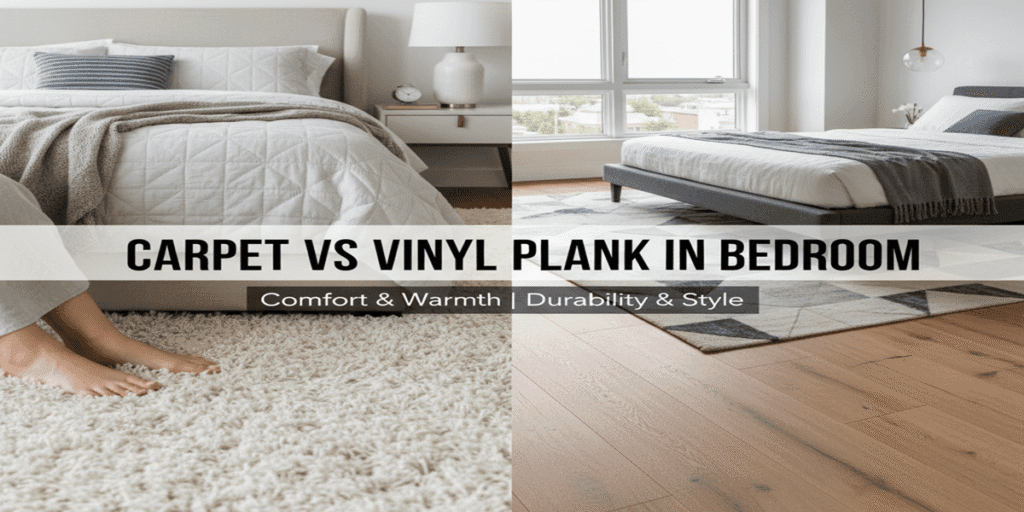
Carpet pricing varies by pile type, fiber, and installation method. Loop pile carpet vs cut pile carpet pricing usually ranges from $3 to $12 per square foot installed, depending on material and density. Comparing across materials? Here’s a carpet vs luxury vinyl plank cost breakdown to see where install, underlayment, and lifetime care tip the budget.
Carpet padding (underlay): how it affects comfort and durability
Padding quality directly shapes comfort, sound absorption, and wear. High-density foam or rubber underlays improve foot comfort and extend carpet lifespan. Comparing carpet padding vs underlay helps homeowners find balance between softness and support.
| Padding Type | Ideal Use | Approx. Price per Sq Ft | Benefit |
| Rebond Foam | Bedrooms, Living Rooms | $0.50–$1.00 | Soft and affordable |
| Rubber | Stairs, High-Traffic Areas | $1.00–$2.00 | Long-lasting and firm |
| Felt or Fiber | Commercial Areas | $0.75–$1.50 | Stable and durable |
Installation variables: seams, stairs, and tuft bind considerations
DIY vs professional carpet installation can affect final results. Professionals handle seam alignment, stair wrapping, and stretch tension to prevent ripples or loose areas. For high-traffic carpet for stairs, dense loop piles or textured cut piles with strong tuft bind perform best.
Replacement costs & warranty fine print (commercial vs residential)
Warranties differ across fiber and pile types. Nylon and triexta options may include 10–20-year coverage, while polyester or olefin may offer less. Always check carpet lifespan and warranty terms for wear, stain protection, and installation defects. Commercial warranties often prioritize durability, while residential ones focus on comfort and appearance retention.
Pet- and kid-friendly choices: real-world messes & durability
Families often face spills, paw traffic, and playful wear. The right pet-friendly carpet options balance stain resistance, softness, and easy cleaning.
Snagging risk: when to avoid loops with pets
Loop pile carpets like Berber can snag with claws. This makes loop pile snagging with pets a common concern. Cut pile styles such as frieze or textured carpet resist pulls better and hide marks.
Stain-first strategy: triexta/polyester treatments vs nylon with protectants
Fibers impact stain response more than pile shape. Triexta carpet durability and its built-in stain resistance make it ideal for kids and pets. Nylon with topical protectants offers strong wear resistance, while olefin resists moisture but can flatten under heavy furniture.
Maintenance schedule that actually works (vacuuming & annual deep clean)
Set a carpet maintenance schedule weekly monthly to retain texture and color. Vacuum at least twice a week in busy zones and deep clean yearly. Use a low-moisture cleaner to preserve backing integrity. A simple routine extends carpet life and keeps pile height even.
Specs to compare before you buy: a pre-purchase checklist
Buying carpet is easier with a clear list of what matters most. These specifications reveal how long your floor will look fresh and comfortable.
The 10 numbers that predict performance
- Pile Type: Loop or cut, defines texture and resilience.
- Pile Height: Shorter loops resist wear; taller piles add comfort.
- Carpet Fiber Density and Twist: Higher numbers improve durability.
- Tuft Bind Strength: Keeps tufts from pulling loose.
- Fiber Type: Compare nylon vs olefin vs wool carpet or triexta for your lifestyle.
- Stain Resistance Rating: Look for built-in or treated protection.
- Carpet Color Retention: Indicates how long hues stay true under light.
- Backing Material: Impacts grip and longevity.
- Padding Grade: Refer to the carpet underlay types and price table above.
- Warranty Length: Check both wear and stain coverage.
Matching spec to use case (stairs vs bedrooms vs hallways)
- Stairs and hallways: Pick low, tight loop pile carpet vs cut pile carpet for stairs for better traction.
- Bedrooms: Opt for plush or Saxony for softness and the best carpet for bedrooms comfort.
- Living rooms: A frieze vs Saxony carpet debate often ends with texture choice—frieze hides footprints, Saxony offers elegance.
- Commercial vs residential carpet: Select high-density, low-loop types for office or retail durability.
Use this checklist before purchasing to avoid overspending or picking a style that wears out too soon. Quality carpet choices pay off through fewer replacements and better long-term comfort.

Frequently Asked Questions
Is loop pile or cut pile carpet better for stairs and hallways?
Loop pile wins for high-traffic carpet for stairs and halls. Tight level loop or multi-level loop resists crushing and hides wear. Cut pile works if you pick dense frieze with high twist level. Pair either with firm carpet padding vs underlay that supports edges on steps.
Which carpet type shows footprints and vacuum marks less?
Textured loop and frieze mask tracks well. Plush and Saxony show textured carpet tracks and footprints more, plus shading and pile reversal in bright light. Choose mid-tone colors and patterned Berber flecks for better track hiding in living rooms.
Will my cat or dog snag a loop pile (Berber) carpet?
Berber carpet pros and cons include great durability but higher snag risk with claws. Pets can catch loops, especially large level loop. Cut pile or textured cut reduces loop pile snagging with pets. Trim nails and follow a simple weekly vacuuming schedule to limit pulls.
What carpet fiber lasts longest in high-traffic homes?
Nylon and triexta lead for durability rating and wear resistance. Triexta carpet durability pairs with strong stain resistance carpet types. Wool offers natural resilience but higher cost; olefin suits loops yet crushes faster in cut piles. Compare nylon vs olefin vs wool carpet by density and twist.
How much should I budget per square foot installed with quality padding?
Expect a typical carpet installation cost per square foot of $4–$9 for polyester, $6–$12 for nylon or triexta, and higher for wool. Add carpet underlay types and price: $0.75–$2.00 per sq ft. Ask for written carpet lifespan and warranty details.
Does plush/Saxony carpet flatten quickly, and can it recover?
Plush carpet pros and cons include soft hand and visible dents. Saxony may show cut pile footprints and dents. Choose higher carpet fiber density and twist, rotate furniture, and use a firm pad. Steam refresh helps partial recovery; deep crushed spots may need replacement.
What’s the difference between level loop, multi-level loop, and cut-loop styles?
Level loop uses uniform loops for a smooth, durable face. Multi-level loop varies heights for pattern visibility and soil hiding. Cut-loop mixes cut and loop for texture. Cut pile options like frieze vs Saxony change feel and track visibility, useful for commercial vs residential carpet choices.
Conclusion
A smart carpet choice starts with how you live. The loop pile carpet vs cut pile carpet decision sets the tone for comfort, durability, and style in each room. Loop styles bring steady wear performance for stairs and halls. Cut piles like plush, Saxony, or frieze bring a soft hand for bedrooms and lounge spaces.
Fiber and build finish the story. Nylon and triexta boost wear resistance and stain defense, while wool adds natural feel and rich color retention. Density, twist, and firm padding shape resilience and track visibility. A simple care plan and a steady vacuuming schedule protect texture and reduce dents. Take a moment to picture your traffic patterns and pets. Which matters more today: track-hiding Berber loops or that plush sink-in feel? Share your room goals or past wins in the comments. Then use the checklist to shortlist samples, compare padding, and request quotes with line-item pricing per square foot.