Disclosure: Classy Floor is reader-supported. As an Amazon Associate, we earn from qualifying purchases. We may also earn commissions from other affiliate programs, at no additional cost to you. Learn more →
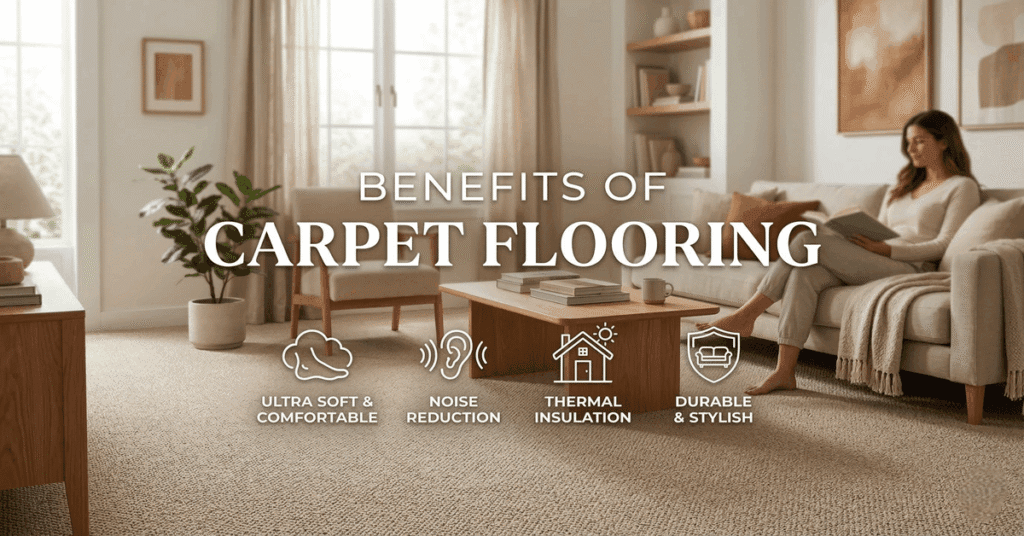
The benefits of carpet flooring are easiest to judge by room use, daily comfort, and the kind of home you live in. For bedrooms, stairs, nurseries, and upstairs spaces, carpet flooring can change how a room feels underfoot, soften foot traffic, and reduce noise in ways hardwood flooring, laminate flooring, or tile often do not.
Most readers comparing carpet vs hardwood or asking whether carpet flooring is good for upstairs rooms are trying to make a room-by-room choice, not skim a generic list of perks. This article keeps that focus. It explains where carpet padding, nylon carpet, polyester carpet, and low-pile carpet make the strongest case, where stain resistance or indoor air quality concerns call for extra care, and which spaces are poor candidates for carpet.
The goal is simple: give you a clear way to weigh warmth, sound absorption, traction, upkeep, and room fit so you can choose carpet for the right spaces and skip it in the wrong ones.
The benefits of carpet flooring that matter most in daily life
Carpet earns its place through comfort, quieter rooms, warmer surfaces, and a softer landing zone in the parts of a home people use every day. In bedrooms, nurseries, stairs, and upstairs rooms, the real gain often comes from the full flooring system: carpet plus carpet padding, matched to the room and the people using it. These gains stand out most in homes that value barefoot comfort, lower footfall noise, and a less harsh surface under kids, older adults, or anyone spending time on the floor.
| Daily-life gain | What it changes in real use | Rooms where it shows up most |
| Softer underfoot feel | Less fatigue on bare feet, knees, and joints during normal use | Bedrooms, nurseries, playrooms |
| Lower noise | Less echo in the room and less footstep noise from above | Upstairs rooms, stairs, family rooms |
| Warmer surface feel | More comfort during cool mornings and in drafty rooms | Bedrooms, upper floors |
| Better traction | A steadier feel on stairs and less slip-prone footing than many hard surfaces | Stairs, kids’ rooms, some hallways |
| Softer impact | A less harsh landing surface during minor slips or tumbles | Nurseries, playrooms, bedrooms |
Softer underfoot comfort changes how rooms feel and function
Soft flooring changes daily use in a direct way. A bedroom with carpet feels easier to walk on first thing in the morning, and a nursery or playroom feels more usable for sitting, kneeling, or playing on the floor. That matters most in spaces where people spend time at floor level rather than simply pass through.
This benefit is tied to both the carpet surface and the right carpet pad beneath it. A plush carpet may feel good in a showroom, yet comfort at home comes from the full setup, not the face fiber alone. Nylon carpet, polyester carpet, and wool carpet can each deliver a comfortable surface, though the feel shifts with pile height and padding.
Carpet helps reduce noise inside the home
Noise control is one of the most practical reasons people choose carpet over hardwood flooring, laminate flooring, or tile in living spaces. Carpet cuts echo inside a room and softens the sound of steps, toys, chairs, and doors in a way hard surfaces rarely match. That makes a clear difference in upstairs bedrooms, hallways, stairs, and family rooms.
For readers asking does carpet reduce noise in a house, the answer is often yes in everyday use, especially with carpet padding underfoot. The biggest payoff tends to show up in multi-level homes, shared-wall homes, and homes with active kids or early morning traffic on upper floors.
Better warmth and insulation can improve comfort in colder rooms
Carpet gives a room a warmer feel underfoot, which is not the same as saying it will change utility bills in a major way. The daily value is simpler: the floor feels less cold, the room feels less harsh on bare feet, and cool mornings become easier to live with. That is one reason bedroom carpet stays popular.
The felt warmth comes from the carpet and pad working together above the subfloor. This can be a strong point on upper floors and in colder rooms where tile or laminate flooring can feel hard and chilly.
Carpet can improve traction and soften falls
Carpet often gives people a steadier surface on stairs and in rooms where slips are a concern. That makes it attractive for homes with young children, older adults, or anyone who wants a floor that feels less slick than many hard-surface options. In practical use, carpet can make movement feel more secure.
The softer surface can help reduce the force of a small fall, which is one reason carpet is often chosen for nurseries, playrooms, and bedrooms. Carpet is not a safety system on its own. Product choice, installation quality, and the shape of the space still matter.

Where carpet flooring delivers the biggest advantages
Carpet earns its strongest case in rooms where comfort, quiet, and sure footing matter more than moisture resistance or a hard-surface look. Bedrooms, nurseries, stairs, upper floors, and relaxed family spaces usually get the most value from carpet flooring, especially with the right carpet padding, a durable fiber such as nylon carpet, and a pile that matches how the room is used.
| Room | Biggest advantage | Best fit conditions | Main caution |
| Bedrooms | Warmth, soft flooring, quieter mornings | Barefoot comfort matters; low spill risk | May be a poor fit for sleepers with high sensitivity to dust if upkeep slips |
| Nurseries | Softer falls, warmer floor time, sound control | Frequent floor play; calm acoustics matter | Spills need fast cleanup |
| Family rooms | Comfort during long sitting periods, less echo | Casual use; lower formality; TV or media use | Food, pets, and heavy traffic can age the surface faster |
| Upstairs rooms | Noise reduction flooring, softer footfall | Shared ceilings or bedrooms below | Wear paths can show in busy routes |
| Stairs | Better traction, reduced impact in slips | Good installation; suitable pile; dense pad | Poor installation can shorten life |
| Rentals | Lower upfront spend, fast comfort upgrade | Budget remodels; bedrooms and upper floors | Short life in rough use |
Bedrooms and nurseries
Bedrooms often show the clearest upside. Carpet makes first-step contact softer, can contribute to added floor-level comfort compared with tile or laminate flooring, and lowers the sharp sound of footsteps, dresser drawers, and morning movement. That mix suits primary bedrooms, kids’ rooms, and guest rooms where comfort matters more than wipe-clean convenience. For homeowners comparing carpet over laminate in bedrooms, those comfort gains are often the deciding factor.
Nurseries get an extra lift from the same qualities. Floor play, crawling, and late-night movement feel gentler on carpet, and the softer acoustic profile can make the room feel calmer. A low-pile carpet or stain-resistant carpet usually works better here than a thick plush style that traps more debris and shows wear in paths.
Family rooms, media rooms, and upstairs living spaces
In family rooms and media rooms, carpet can make long sitting sessions more comfortable and reduce echo that makes television or conversation sound harsher. This matters most in homes with open layouts, upstairs lounges, or spaces meant for relaxed use rather than formal entertaining.
Upstairs rooms gain another practical benefit: sound control for the floor below. Carpet padding helps soften footfall, dropped toys, and chair movement in a way hardwood flooring and luxury vinyl plank rarely match. For homeowners asking if carpet flooring is good for upstairs rooms, this is usually the strongest part of the answer.
Stairs and second floors
Stairs are one of the most practical places for carpet. The surface offers more traction than many hard finishes, and the padding can soften the force of a slip. For homeowners weighing carpeted stairs or wood, that steadier and quieter feel is often a key reason to choose carpet. That does not make carpet a safety system, though it can make a stair run feel steadier and quieter in daily use.
Second floors share that same value. Bedrooms over living rooms, hallways over home offices, and playrooms over kitchens often sound better with carpet than with laminate flooring or tile. Installation quality matters a lot here; recognised installation standards help explain why loose edges, weak seams, or the wrong pile can cut into the benefit.
Rentals, budget remodels, and quick room refreshes
Carpet can be a smart pick for rentals and lower-cost remodels when the goal is a visible comfort upgrade without the price of hardwood flooring or tile. In bedrooms and second-floor rooms, it often gives the fastest shift in how a space feels underfoot and how sound moves through the home.
That advantage fades in rough-use zones. Entry areas, dining spaces, and rooms with frequent spills or dampness usually ask more of the surface than carpet handles well over time. Room fit matters more than blanket rules.
Benefits of carpet flooring compared with hard-surface options
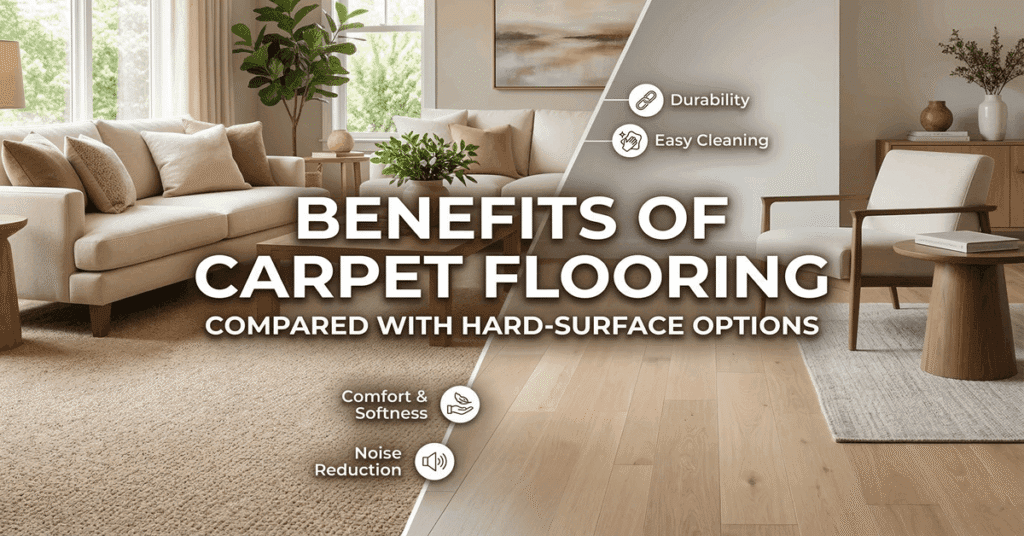
Hard-surface floors win in some rooms, yet carpet still has clear advantages when comfort, noise control, and a softer walking surface matter more than wipe-clean convenience. In bedrooms, upstairs rooms, and many family spaces, carpet flooring changes the daily feel of a room more than hardwood flooring, laminate flooring, vinyl, or tile. The right comparison is not which floor is best in general, but which floor fits the room, the traffic level, and the way people use the space.
| Flooring option | Where it tends to win | Where carpet often has the edge |
| Hardwood flooring | Long-term appearance, easier surface cleanup, strong resale appeal | Softer feel, quieter foot traffic, warmer first-step comfort |
| Vinyl or laminate flooring | Spill handling, lower day-to-day upkeep, hard-surface look at a lower price | Better sound absorption, less foot fatigue, more comfort for sitting or playing on the floor |
| Tile | Water-prone areas, durability, easy mopping | Warmer feel, less echo, more forgiving surface in living spaces and bedrooms |
Carpet vs. hardwood for comfort, sound, and resale priorities
Hardwood flooring usually carries more resale appeal and a more polished look in main living areas. Carpet often wins on comfort. In bedrooms, nurseries, and upstairs hallways, the softer surface feels warmer underfoot and cuts the sharp footfall noise that wood can amplify.
That difference matters most in homes with early risers, children, or shared floors. Carpet padding plays a major part here. A well-chosen pad can make carpet feel quieter and softer in ways hardwood cannot match without rugs, underlays, or extra room treatments.
Resale still matters, yet it should not drive every room choice. A home can benefit from hardwood in public spaces and carpet in private spaces. For many households, that split creates a better balance between appearance, comfort, and day-to-day livability.
Carpet vs. vinyl or laminate for warmth, softness, and budget
Vinyl and laminate flooring appeal to buyers who want a hard-surface look with simpler cleanup. Carpet competes on feel. It gives bedrooms, family rooms, and upper floors more warmth, more softness, and less foot fatigue during long periods of standing, walking, or floor play.
This is where searchers often ask, is carpet warmer than vinyl or tile, or carpet flooring pros and cons for homes. The answer usually comes down to use. Vinyl and laminate suit spill-prone rooms and busy entry paths. Carpet suits spaces where comfort and quiet matter more than quick mopping.
Budget is part of the picture too. Carpet can offer a lower upfront path to a softer, more finished room. That does not make it the better value in every case. In high-traffic zones or homes with frequent spills, a hard surface may hold up better with less upkeep pressure.
Carpet vs. tile in colder or quieter living spaces
Tile performs well in bathrooms, laundry rooms, and other water-prone areas. In colder bedrooms, media rooms, and upstairs living spaces, carpet usually feels more welcoming. Tile can feel hard, cool, and louder underfoot, especially in rooms with minimal soft furnishings.
Carpet changes both comfort and acoustics in those spaces. Sound absorption is stronger, the room feels less echo-prone, and the floor is easier to sit or kneel on. That can matter in family rooms, play areas, or second-floor spaces where noise travels downward.
Tile still makes sense where water exposure is the main concern. A direct look at carpet compared with tile helps show why each works best in different parts of the home. Carpet makes more sense where warmth, softness, and quieter movement shape the daily experience more than surface washability.
What affects whether carpet flooring is actually a good choice
A good carpet choice comes down to fit, not preference alone. Fiber, pile height, density, carpet padding, room traffic, pets, spills, and indoor air quality concerns all shape how carpet flooring feels, wears, and cleans over time. A plush bedroom carpet may feel great on day one, yet that same product can wear poorly on stairs or in a busy family room.
A simple way to judge room fit is to look at comfort needs, stain risk, and traffic level together. Bedrooms and nurseries often favor softness, warmth, and sound absorption. Stairs, upstairs hallways, and family spaces need more attention on density, traction, and wear. Moisture-prone rooms sit outside this section’s scope, though everyday spill exposure still matters in playrooms, pet zones, and spaces near kitchens.
Stairs, upstairs hallways, and family spaces need more attention on density, traction, and wear. Choosing carpet for busy areas can make a noticeable difference in how well those rooms hold up over time. Moisture-prone rooms sit outside this section’s scope, though everyday spill exposure still matters in playrooms, pet zones, and spaces near kitchens.
| Criteria | Better carpet choice | Poorer carpet choice |
| Heavy foot traffic | Nylon carpet, lower pile, higher density | Plush or loosely tufted styles |
| Spill risk | Stain-resistant carpet with practical texture | Light, delicate, high-pile styles |
| Comfort priority | Plush carpet with supportive carpet padding | Very thin carpet with minimal pad |
| Noise control | Dense carpet plus quality padding | Hard surfaces or thin carpet systems |
| Pet use | Lower pile, easier-clean fibers | Long pile that traps hair and dirt |
Fiber type changes durability, stain resistance, and feel
Fiber choice has a direct effect on daily use. Nylon carpet usually gives the strongest mix of durability, resilience, and stain performance, which makes it a common pick for stairs, hallways, and family rooms. A closer look at nylon’s tradeoffs helps explain why it is so often chosen for busier rooms. Polyester carpet often feels soft and can look rich for the price, yet it tends to suit lower-traffic rooms better.
Wool carpet brings a different feel underfoot and a more natural fiber story. It can work well in quieter rooms where comfort leads the decision. Olefin or polypropylene may fit certain budget-driven projects, though it is less suited to busy indoor areas where crushing and oily soil are frequent concerns.
Pile height and density affect comfort, wear, and cleaning
Pile height changes both comfort and upkeep. A high, plush surface feels warmer and softer, which suits bedrooms and media rooms. That same softness can flatten sooner in busy spaces and hold onto more dirt, pet hair, and crumbs.
Density matters just as much as pile. A dense low-pile carpet usually holds its shape better on stairs and in upstairs traffic lanes. Readers asking how to choose carpet flooring for comfort and durability often focus on softness first; in practice, density says more about long-term performance.
Padding influences comfort, noise control, and longevity
Padding is part of the flooring system, not an add-on. The right carpet padding improves comfort underfoot, softens footfall sound, and supports the carpet face so it wears more evenly. Cheap or mismatched padding can leave even a good carpet feeling flat, noisy, or unstable.
Pad choice should match room use. Bedrooms may support a softer feel. Stairs and high-traffic spaces usually need firmer support. Manufacturer guidance often sets pad limits for a reason, so matching pad type to carpet construction is a smart check before installation.
Household realities can change the outcome
Room use on paper rarely tells the whole story. A home with pets, small children, or frequent food traffic puts different pressure on carpet than a guest room or quiet upstairs office. In those homes, low-pile carpet, practical color choice, and stain-resistant fiber often make more sense than a plush showroom favorite.
Indoor air quality concerns deserve the same practical lens. Low-emission carpet products, suitable adhesives, dry conditions, and steady vacuuming can make a big difference for some households. Carpet can be a strong choice for comfort and noise reduction flooring, yet the right result comes from matching the product to real life, not chasing the softest sample in the store.
The main limitations of carpet flooring and how to decide if the benefits outweigh them
Carpet works best when comfort, sound absorption, warmth, and traction rank above easy cleanup and moisture resistance. The main drawbacks are upkeep, stain risk, wear patterns in busy areas, and poor performance in damp rooms. For most homes, the right call comes down to room use, household habits, carpet padding, fiber choice, and how much maintenance the owner will accept.
Cleaning demands are manageable, but they are not optional
Carpet holds dust, grit, pet hair, and food debris more than hardwood flooring, laminate flooring, tile, or luxury vinyl plank. Routine vacuuming keeps that buildup from grinding into the pile and dulling the surface. Spills need fast attention, or the stain can settle into the fibers and the pad below.
This matters most in family rooms, stairs, and homes with pets or small children. A low-pile carpet with strong stain resistance is easier to live with in those settings than a plush style that traps more debris and shows traffic marks sooner. Nylon carpet usually handles wear better than softer options in busy spaces, which is one reason room use should lead the choice.
Moisture-prone spaces are usually poor candidates for carpet
Bathrooms, laundry rooms, and many basements expose carpet to the kind of moisture that causes odor, staining, and damage below the surface. Once water reaches the carpet padding or subfloor, cleanup gets harder and the material may never feel fully fresh again. That risk changes the value equation fast, even if the room feels colder without carpet.
A dry basement can still work in some homes, though the margin for error is much smaller than it is in a bedroom or upstairs hall. Official guidance often points readers toward moisture-resistant surfaces for wet zones, which matches real-world use. Carpet is usually strongest in spaces that stay dry and have predictable traffic.
Allergy and indoor air quality concerns need careful product selection
Indoor air quality concerns do not rule out carpet in every home, though they do call for more care in product choice and upkeep. Dust can settle into carpet, and some buyers pay close attention to low VOC carpet, adhesives, and installation materials. For households trying to find a better fit for allergy concerns, fiber and maintenance choices matter just as much as softness, especially alongside allergen-reduction steps at home. Wool carpet, nylon carpet, and polyester carpet each bring a different mix of feel, shedding, stain behavior, and upkeep needs.
The common mistake is treating all carpet flooring as one category. A dry room, steady cleaning, and low-emission materials can make carpet a workable option for many households. A damp room or a home with poor cleaning habits can push the result in the other direction.
A simple decision framework for choosing carpet or another floor
Use this quick checklist to judge whether carpet makes sense for a room:
| Decision point | Carpet is a strong fit | Another floor is a better fit |
| Room use | Bedrooms, nurseries, upstairs halls, stairs, media rooms | Bathrooms, laundry rooms, entry areas, spill-heavy zones |
| Main priority | Soft flooring, quiet, warmth, traction | Fast cleanup, water resistance, lower upkeep |
| Household habits | Regular vacuuming and quick spill cleanup | Low tolerance for routine maintenance |
| Traffic level | Light to medium traffic, or durable nylon carpet in busier rooms | Heavy daily traffic with dirt, food, or wet shoes |
| Product choice | Low-pile carpet, good carpet padding, stain resistance | Hard surface needed for wet or messy use |
If the room needs softness, noise control, and a warmer feel underfoot, carpet often earns its place. If the room sees water, tracked-in dirt, or frequent spills, hardwood flooring, laminate flooring, tile, or luxury vinyl plank usually make daily life easier.

Frequently Asked Questions
Is carpet flooring a good choice for bedrooms?
Yes. Bedrooms are one of the strongest fits for carpet flooring since softness, warmth, and sound absorption matter more there than water resistance. Carpet padding adds comfort underfoot, and the quieter surface can make upstairs bedrooms feel calmer at night. A low-pile carpet or nylon carpet often makes sense for adults’ rooms that get steady use, where a plush surface may show wear sooner.
Does carpet reduce noise better than hardwood or laminate?
Yes, carpet usually reduces noise better than hardwood flooring or laminate flooring. The carpet fibers and carpet padding help absorb footfall and soften echo inside a room, which is why carpet is often a smart pick for stairs, second floors, and shared-wall homes. The effect is strongest when the padding and installation are matched well to the room rather than chosen on surface feel alone.
What are the health concerns with carpet flooring?
The main concerns are dust retention, dampness, and emissions from some materials used in the flooring system. In a dry room with regular vacuuming and low VOC carpet, many households can live with carpet comfortably. Trouble often starts in spaces with poor spill cleanup, moisture, or neglected maintenance, where health issues from aging carpet become a more realistic concern than they would with a hard surface.
Is carpet flooring safer for children and older adults?
Carpet can be a safer surface in some homes since it offers more traction than slick flooring and can soften the impact of a fall. That makes it appealing for nurseries, bedrooms, and stairs. The gain is practical rather than absolute, so carpet should be viewed as one part of a safer room setup, not a full answer on its own.
How long does carpet flooring usually last?
Carpet flooring can last for years when the fiber, pile, and room use line up well. Nylon carpet in a busy room often holds up better than softer or lower-density options, and good carpet padding helps protect the surface from early wear. Life span drops faster on stairs and in high-traffic paths, especially when dirt, pets, and spills are part of daily use.
Which rooms should not have carpet flooring?
Bathrooms, laundry rooms, and other wet areas are usually poor places for carpet. Many basements fall into the same category if moisture is a known issue. Carpet performs best in dry rooms where warmth, quiet, and soft flooring matter most, so bedrooms, nurseries, upstairs halls, and media rooms tend to make more sense than entry areas or spill-heavy spaces.
Is carpet cheaper than hardwood, vinyl, or tile?
Carpet is often less expensive upfront than hardwood flooring or tile, and it can be a practical way to improve comfort in bedrooms or upstairs rooms without a larger remodel. The bigger question is long-term value. A room that stays dry and clean may justify carpet easily, while a messy or damp room can push replacement sooner and make vinyl or tile the smarter buy.
Conclusion
The right flooring choice starts with the room, not the material alone. Carpet makes the strongest case in bedrooms, stairs, nurseries, and upstairs spaces where warmth, quieter foot traffic, traction, and a softer feel matter more than wipe-clean convenience. Hardwood flooring, tile, laminate flooring, and luxury vinyl plank often make daily life easier in wet or spill-heavy areas, so room use should guide the decision.
That fit-based approach matters more than broad claims about style or value. Fiber choice, carpet padding, stain resistance, and cleaning habits all shape how carpet performs over time, and damp spaces remain a weak match no matter how comfortable the surface feels at first. If you are weighing the benefits of carpet flooring, the best next step is to judge each room by comfort, noise, moisture exposure, and upkeep rather than choosing one surface for the whole home.