Disclosure: Classy Floor is reader-supported. As an Amazon Associate, we earn from qualifying purchases. We may also earn commissions from other affiliate programs, at no additional cost to you. Learn more →
Have you ever walked barefoot on a plush floor and wondered if the high carpet vs low carpet choice really makes a difference? It does far more than most homeowners realize. The height of your carpet pile can transform how your space feels, performs, and even how easy it is to keep clean.
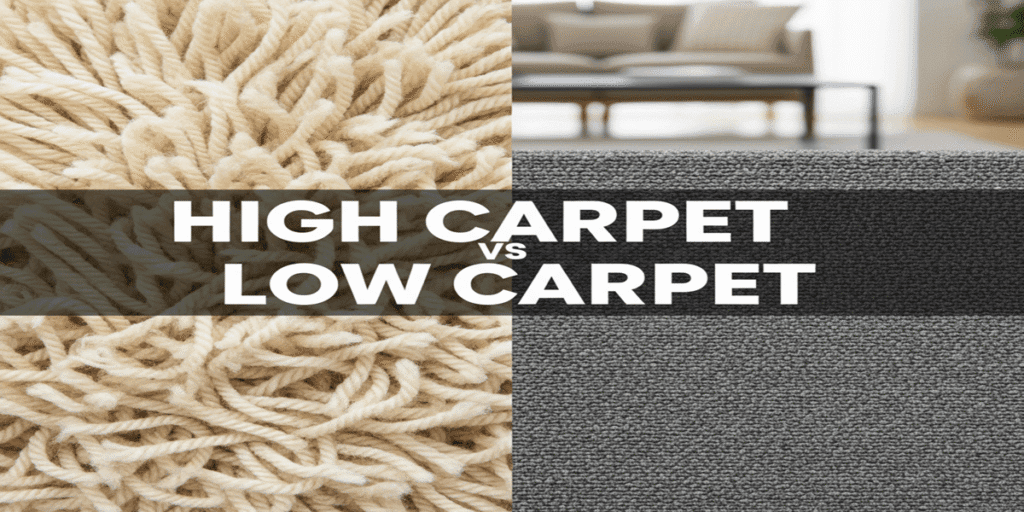
Choosing between high pile carpet and low pile carpet isn’t just about looks; it’s about lifestyle. High pile adds warmth, softness, and luxury underfoot, while low pile offers durability, easier vacuuming, and better performance in high-traffic areas.
In this guide, you’ll learn how carpet pile height, density, and texture affect comfort, cleaning, and longevity. Whether you’re designing a cozy bedroom or a busy hallway, understanding the differences will help you select the perfect surface for your home. Let’s explore how to balance comfort, durability, and maintenance, without sacrificing style.
High pile vs low pile carpet: key differences and when to choose each
High pile carpet feels plush and warm. Low pile carpet looks sleek and handles wear. Both change comfort, cleaning, and lifespan in clear ways based on carpet pile height, carpet density, and carpet texture.
High pile favors softness and a cushioned step. Low pile favors vacuuming efficiency and appearance retention. For a deeper style breakdown, Berber texture versus plush feel, compare how textured loops hide traffic while plush cut pile delivers that sink-in comfort. Pick the style that matches room traffic and daily habits.
Side-by-side comparison table (specs, pros/cons, maintenance level)
| Feature | High pile carpet | Low pile carpet |
| Touch & feel | Deep softness; thicker carpet thickness; cozy underfoot | Smooth surface; firm step; modern look |
| Carpet pile height (typical) | 0.5–1.5 in (12–38 mm) | 0.25–0.5 in (6–12 mm) |
| Carpet density | Often lower face-density; can mat in busy spots | Often higher density; resists crushing |
| Carpet durability | Strong in low-traffic carpet zones; watch for matting | Strong in high-traffic carpet zones; better shape-hold |
| Ease of cleaning carpet | Slower debris removal; grooming helps | Fast debris removal; quick spot work |
| Vacuuming efficiency carpet | Needs height-adjustable or “best vacuum for high pile shag carpet” | Works with most vacuums; easy passes |
| Stain resistant carpet | Wool or triexta excel; nylon with protectant helps | Nylon with protectant leads; triexta solid for pets |
| Allergen profile | Fibers can trap dust; HEPA routine reduces load | Lower fiber height limits buildup; good for hypoallergenic carpet aims |
| Best rooms | High pile bedroom carpet comfort vs maintenance; media rooms | low pile carpet for offices with rolling chairs; stairs and hallways |
| Look & style | Lux, deep carpet texture; relaxed vibe | Refined, tailored lines; crisp patterns |
| Total care | More grooming and periodic rakes | Simple routine; fewer tools |
Recommended pile height ranges (with examples)
Choose a range that fits traffic and goals. Shorter piles favor high-traffic carpet like hallways, stairs, and commercial spaces. Taller piles favor quiet areas that need warmth.
Suggested ranges:
- 0.25–0.35 in: stairs, hallways, office, commercial spaces.
- 0.35–0.5 in: living room with kids or pets; balanced maintenance.
- 0.5–1.0+ in: bedrooms and lounge zones that prize comfort.
Materials matter. Nylon carpet leads for wear. Polyester carpet gives color pop. Wool carpet delivers natural feel and low indoor air quality VOC. Olefin (polypropylene) shines for moisture resistance. Triexta carpet pairs stain resistant carpet with family use.
Quick picks by lifestyle: families, pets, allergy-sensitive households
Need a fast answer? Use these shortlists. Each pick blends carpet density, fiber, and carpet padding fit.
- Families with kids: Low pile, dense nylon or triexta. Strong carpet durability and easy spill control.
- Pets: Low pile with stain resistant carpet tech (nylon vs polyester carpet durability comparison favors nylon; triexta also strong). Simple hair pickup and fewer snags.
- Allergy-focused: Hypoallergenic low pile carpet for allergies, HEPA vacuum, and regular schedule. Lower pile height reduces dust load and supports better indoor air quality VOC goals.
- Cozy retreats: High pile in bedrooms or media rooms with thicker carpet padding. Plush feel and sound dampening.
- Work zones: Low pile carpet for offices with rolling chairs. Smooth glide and clean seams.
When to choose high pile
- You want warmth, quiet, and cushion.
- You value plush feel over fast cleaning.
When to choose low pile
- You need speed, soil release, and crisp lines.
- You prioritize carpet density vs pile height for longevity.
Have a mixed home? Pair low pile in entries and stairs with a soft high pile area rug in seating zones. This split plan balances traffic needs and comfort without guesswork.

Room-by-room recommendations: living room, bedroom, hallway, stairs, office & commercial spaces
A home uses floors in different ways. Each space calls for a pile height and fiber mix that fits traffic, cleaning habits, and comfort. Do you want plush comfort or fast, low-fuss cleaning?
Quick picks by space
| Space | Best pile type | Target carpet pile height | Fiber notes | Reason |
| Living room | High pile carpet or dense low pile | 0.5–0.75 in (12–19 mm) | Nylon carpet or triexta carpet for stain resistant carpet | Soft feel with good appearance retention |
| Bedroom | High pile bedroom carpet comfort vs maintenance | 0.6–1.0 in (15–25 mm) | Wool carpet for cozy feel; polyester carpet for value | Warmth and quiet; easy bare-foot comfort |
| Hallway | Low pile carpet | 0.25–0.5 in (6–12 mm) | Nylon vs polyester carpet durability comparison favors nylon | High-traffic carpet needs crush resistance |
| Stairs | Low or low-medium dense pile | best carpet pile height for stairs and hallways: 0.25–0.5 in (6–12 mm) | Nylon or olefin carpet (polypropylene) for edge wear | Safety, clean edges, better vacuuming efficiency carpet |
| Office (home) | Low pile carpet for offices with rolling chairs | ≤0.375 in (≤10 mm) | Nylon or solution-dyed polyester | Chair glide and ease of cleaning carpet |
| Commercial spaces | Low pile, high carpet density tiles or broadloom | 0.2–0.35 in (5–9 mm) | Nylon or olefin for soil resistance | Longevity and fast maintenance in high-traffic areas |
Checklist: measure, match density, and pick padding
- Measure room and traffic zones. Mark high-traffic areas and low-traffic areas.
- Match carpet density to use. Favor higher carpet density for longevity; use the “carpet density vs pile height for longevity” rule of thumb: dense low pile often outlasts taller loose pile.
- Choose carpet padding to fit pile. For low pile installations, pick carpet padding thickness around 7/16 in or less with firm feel; for taller plush, use slightly thicker but supportive padding.
- Confirm vacuuming needs. High pile shag needs a height-adjustable head; low pile handles strong suction for deeper soil removal.
- Check labels for indoor air quality VOC limits and hypoallergenic carpet claims where allergies matter.
Best carpet pile for stairs and hallways (safety, wear, vacuuming)
Stairs and halls take constant foot strikes. Low pile with high carpet density resists matting and keeps edges crisp. A target range of 0.25–0.5 in gives better contact with nosings and improves vacuuming efficiency. Still deciding between carpet on stairs vs hardwood? Compare traction, noise, and long-term upkeep before you commit.
Pick nylon carpet for top carpet durability. Olefin carpet (polypropylene) works in budget projects with good soil resistance. Add firm carpet padding to control flex and reduce seam telegraphing on landings.
Bedrooms & living rooms: comfort underfoot vs appearance retention
Bedrooms reward softness. High pile carpet adds warmth, quiet, and a cushioned feel. Wool carpet brings natural loft and temperature comfort; triexta carpet gives strong stain resistant carpet performance for families and pets.
Living rooms need a balance. Dense low pile keeps a tidy look and speeds cleaning after guests. Ask this: do you prefer “sink-in” comfort or a smooth surface that hides traffic lanes longer?
Offices & commercial spaces: rolling chairs, ADA/ergonomics, low-pile mobility
Desks favor low pile carpet with tight loops or short cut pile. Chairs roll cleanly and seams stay flat. Polyester carpet offers value, yet nylon leads for wear and recovery.
Commercial spaces need fast upkeep and predictable wear. Low pile tiles with solution-dyed nylon support spot replacement and strong stain programs. Add entry mats to cut soil, and keep a set schedule for hot-water extraction to protect appearance retention.
Fiber and pet/allergy notes
- Pets: choose stain resistant carpet for pets (nylon vs triexta). Triexta excels at acid-dye stains; nylon rebounds from crushing.
- Allergies: pick hypoallergenic low pile carpet for allergies with HEPA vacuum use. Shorter pile reduces allergen accumulation and boosts ease of cleaning carpet.
Maintenance snapshot by space
- Living room/Bedroom: vacuum 2–3× weekly for high pile; deep clean every 9–12 months.
- Hallway/Stairs: vacuum daily or every other day; edge tool for risers.
- Office/Commercial: vacuum daily; plan quarterly deep clean.
These room-based picks align pile height, carpet texture, and carpet thickness with real traffic. Follow the table, then refine with fiber choice and padding to fit your home and cleaning routine.

Cleaning & maintenance: vacuum types, stain resistance, and realistic upkeep
Keeping your carpet clean isn’t just about looks. Regular care preserves carpet durability, reduces allergens, and keeps colors vibrant for years. The right cleaning method depends on carpet pile height, carpet density, and fiber type.
High pile maintenance tips (prevent matting, grooming, spot-treating)
High pile carpet feels soft underfoot but traps dust and pet hair deep in its fibers. Use a vacuum with adjustable height and gentle suction to avoid pulling on loops. A grooming rake restores texture after vacuuming.
- Vacuum 2–3 times weekly to control buildup.
- Rotate furniture every few months to prevent compression.
- Blot stains quickly, never scrub, to protect pile texture.
For long-term freshness, schedule professional steam cleaning every 12–18 months. If you have pets, increase cleaning frequency to maintain hygiene and reduce allergen buildup in the plush fibers.
Low pile maintenance tips (debris removal, edge wear prevention)
Low pile carpet is easier to clean because dirt stays near the surface. A standard upright vacuum cleaner with a strong motor works best. Regular vacuuming prevents grit from wearing down carpet fibers in high-traffic carpet areas like hallways or offices.
- Vacuum 3–4 times per week in busy zones.
- Inspect edges and seams, fraying often begins here.
- Deep clean twice a year to refresh texture and color.
Its smooth surface resists matting, making it ideal for allergy-sensitive spaces. Pairing a low pile carpet with a HEPA filter vacuum improves indoor air quality (VOC) levels at home.
Stain resistance by fiber type (nylon, polyester, wool, olefin, triexta)
Each carpet fiber reacts differently to stains:
| Fiber Type | Stain Resistance | Cleaning Ease | Notes |
| Nylon carpet | High | Easy | Resists crushing, great for pets. |
| Polyester carpet | Moderate | Easy | Excellent color retention, budget-friendly. |
| Wool carpet | Low | Needs care | Natural fiber, best for low-traffic areas. |
| Olefin (polypropylene) carpet | Very high | Simple | Ideal for basements or offices. |
| Triexta carpet | Very high | Easy | Built-in stain resistance and softness. |
Choosing a stain resistant carpet saves time and cleaning costs. Spot-treat using mild cleaners or water-based solutions to avoid residue buildup.
Materials & construction that matter more than height: fibers, density, texture & padding
Carpet quality depends as much on its materials and construction as on pile height. If you’re deciding between loop vs cut-pile construction, that choice heavily influences feel, durability, and maintenance. The right combination of carpet density, fiber, and carpet padding determines how long it lasts and how comfortable it feels underfoot.
Fiber quick guide: nylon vs polyester vs wool vs olefin vs triexta
Each fiber offers a distinct balance of softness, resilience, and price:
- Nylon carpet stands out for carpet durability and resilience in high-traffic carpet areas.
- Polyester carpet provides rich color and softness but may flatten faster in busy zones.
- Wool carpet is breathable and luxurious, ideal for low-traffic carpet rooms like bedrooms.
- Olefin carpet (polypropylene) resists stains and moisture, perfect for basements or offices.
- Triexta carpet blends softness with long-term stain resistance, popular for homes with kids and pets.
Want to compare fibers at a glance? Here’s a quick table:
| Fiber | Durability | Stain Resistance | Eco Rating | Best Use |
| Nylon | Excellent | High | Moderate | Hallways, stairs |
| Polyester | Good | Medium | High | Bedrooms, living rooms |
| Wool | Very Good | Low | Excellent | Luxury spaces |
| Olefin | Fair | Very High | Medium | Basements, offices |
| Triexta | Excellent | Very High | High | Family rooms, pet homes |
Density & face weight vs pile height: which predicts longevity better?
Many buyers focus on carpet pile height, but carpet density often tells you more about how long a carpet will last… To evaluate carpet density vs pile height for longevity, check the product’s “face weight” rating, the higher the ounces per square yard, the longer it should perform well.
For a detailed guide to carpet specifications, covering face weight, tuft twist, density and pile height, see this authoritative breakdown that helps decode manufacturer labels.
To evaluate carpet density vs pile height for longevity, check the product’s “face weight” rating, the higher the ounces per square yard, the longer it should perform well. Dense low pile options outperform tall, airy piles in high-traffic carpet areas.
Carpet padding choices for high vs low pile (comfort vs telegraphing seams)
Carpet padding thickness shapes comfort and durability.
- High pile carpet pairs well with thinner padding (¼–⅜ inch) to prevent excess bounce.
- Low pile carpet benefits from medium padding (⅜–½ inch) for better cushion and even wear.
Thicker padding isn’t always better, it can cause uneven surfaces or visible seams. Quality padding reduces stress on fibers, supports vacuuming efficiency carpet, and extends overall carpet durability.
Choosing padding with good airflow and low VOC emissions helps maintain healthy indoor air quality and supports hypoallergenic carpet goals.

Durability & Performance in High-Traffic vs Low-Traffic Areas
Carpet performance depends on how well it handles daily use. High-traffic areas like hallways, stairs, and living rooms demand strong carpet durability, while low-traffic zones such as bedrooms or guest rooms can prioritize comfort. The choice between high pile carpet and low pile carpet directly affects how the flooring holds up over time.
Matting and Crushing: Causes and Prevention
Matting happens when fibers bend under pressure from heavy foot traffic. Low pile carpet with higher carpet density resists this better because shorter fibers recover faster after compression. High pile carpet, with its longer threads, tends to flatten more quickly in busy areas. Regular grooming, rotating furniture, and using protective mats near doorways can help preserve the carpet texture and appearance retention.
Quick Prevention Checklist
- Vacuum frequently to remove dirt that breaks fibers.
- Choose denser fibers like nylon carpet for better resilience.
- Install quality carpet padding to absorb impact.
- Schedule periodic steam cleaning to restore pile shape.
Vacuuming Efficiency & Soil Removal
Cleaning efficiency changes with pile height. Low pile carpet allows stronger suction and faster debris removal, making it ideal for high-traffic carpet zones like offices or hallways. In contrast, high pile carpet requires gentler vacuums, models labeled as the best vacuum for high pile shag carpet, to prevent pulling or fraying.
Vacuuming Efficiency Comparison Table
| Carpet Type | Vacuuming Ease | Recommended Vacuum Type | Ideal Areas |
| Low pile carpet | High | Adjustable suction, rotating brush | Offices, stairs, hallways |
| High pile carpet | Moderate | Suction-only or soft roller | Bedrooms, living rooms |
The right cleaning routine protects both comfort and carpet durability, extending lifespan even under regular wear.
Performance Factors by Traffic Level
Different areas call for different fiber strengths.
- High-traffic carpet: Choose nylon carpet or triexta carpet for long-term durability.
- Low-traffic carpet: Soft polyester carpet or wool carpet offers plush comfort.
- Carpet density vs pile height for longevity: A dense low pile can last longer than a taller, looser pile.
Ask yourself, do you want a soft feel underfoot or a surface that hides footprints and handles years of movement? This simple question helps balance comfort with durability.
Health & Environment: Allergies, VOCs, and Sustainable Carpet Options
Indoor health matters as much as design. Carpet can trap allergens and affect indoor air quality (VOC) levels, so dive into this detailed analysis on carpet and indoor-air quality risks to see what the EPA found in real-world installations. Choose a carpet pile and fiber combination that supports your indoor air goals.
Best for Allergies: Low Pile + Dense Fibers + HEPA Routine
Low pile designs collect less dust and pollen. A hypoallergenic low pile carpet for allergies made from tightly woven nylon carpet or triexta carpet helps minimize buildup. Regular vacuuming with a HEPA filter improves air freshness and supports better health for sensitive individuals.
Simple Allergy-Reduction Routine
- Vacuum twice a week using HEPA filtration.
- Use low-moisture carpet cleaning every few months.
- Maintain consistent humidity to reduce dust mites.
Short fibers and tight carpet density work together to resist allergen accumulation, improving daily comfort.
VOC Emissions & Certification Cues to Look For
Volatile Organic Compounds (VOCs) affect indoor comfort. Choose carpets with indoor air quality VOC certifications such as CRI Green Label Plus or OEKO-TEX. Many wool carpets and eco-friendly polyester carpets now feature low-VOC backings, improving household safety.
Look for Labels That Indicate:
- Low VOC adhesives and padding.
- Certified hypoallergenic carpet materials.
- Eco-friendly backing and dyes.
These certifications make your carpet choice safer for children, pets, and allergy-prone family members.
Sustainable Materials and Backing Options
Eco-conscious buyers now have strong options beyond synthetic fibers. Wool carpet offers natural resilience, olefin carpet (polypropylene) provides moisture resistance, and recycled polyester carpet delivers solid durability at lower cost. Some brands even mix renewable fibers for added strength.
Sustainable Material Comparison Table
| Material | Source | Durability | Eco Profile |
| Wool carpet | Natural animal fiber | High | Renewable, biodegradable |
| Polyester carpet | Recycled plastic (PET) | Medium | Recycled content |
| Olefin carpet (polypropylene) | Synthetic | Medium | Low VOC, moisture resistant |
| Triexta carpet | Bio-based polymer | High | Sustainable alternative to nylon |
Each material balances comfort, durability, and sustainability differently. By pairing the right fiber with proper carpet padding thickness for low pile installations, homeowners can reduce environmental impact without losing performance.
Costs that actually matter: installation, padding, and total cost of ownership
Carpet budgets go beyond sticker price. Real value comes from labor, carpet padding, cleaning needs, and lifespan. This section helps you compare high pile carpet and low pile carpet using simple math and clear trade-offs.
Cost drivers at a glance
- Material and carpet thickness
- Carpet installation cost and seam work
- Carpet density and carpet pile height
- Cleaning time, vacuuming efficiency carpet, and deep-clean fees
- Expected years of use in high-traffic carpet vs low-traffic carpet zones
Sample TCO for a 200-sq-ft room (illustrative ranges)
| Scenario | Material ($/sf) | Padding ($/sf) | Labor ($/sf) | Upfront (200 sf) | Annual cleaning ($/sf) | 5-yr cleaning (200 sf) | 5-yr TCO |
| Dense low pile nylon carpet | 3.50 | 0.90 | 1.50 | $1,180 | 0.40 | $400 | $1,580 |
| Plush high pile polyester carpet | 3.00 | 1.20 | 1.80 | $1,200 | 0.60 | $600 | $1,800 |
Low pile often costs less to maintain over time. High pile can feel softer, yet grooming and deep cleaning raise the total. If you’re pricing alternatives, this carpet vs LVP cost breakdown shows how material, labor, and cleaning affect the real-world total.
What pushes numbers up or down?
- Padding choices: Higher-grade padding boosts comfort and appearance retention. Too thick under low pile can raise labor and seam work.
- Fiber and finish: Triexta carpet and solution-dyed nylon raise upfront cost and carpet durability. Stain resistant carpet treatments may add ~$0.30–$0.60/sf.
- Traffic and use: Offices with rolling chairs favor dense low pile carpet. Bedrooms accept a softer high pile with a bit more upkeep.
- Health and adhesives: Low-VOC glue supports indoor air quality VOC goals. Wool carpet appeals to buyers seeking hypoallergenic carpet benefits, yet cleaning fees can run higher.
Will a quick upgrade cut lifetime spend?
A small bump in carpet density often beats an extra half-inch of height. Dense, low pile nylon vs polyester carpet durability comparison tends to favor nylon in high-traffic carpet hallways and stairs. Many homes see better carpet density vs pile height for longevity than from height alone.
When paying more for density beats paying for height
- Choose higher density for stairs, hallways, and entry areas.
- Pick tight, low pile for low pile carpet for offices with rolling chairs.
- Use quality carpet padding to reduce crushing and to support appearance retention.
- For plush spaces, target medium height with strong density rather than very tall fibers.
Warranty fine print: what voids coverage (improper vacuum type, padding)
- Wrong vacuum cleaner type on high pile shag can void claims; many brands require adjustable heads and gentle brush settings.
- Incorrect carpet padding thickness for low pile installations can cause seam peaking and denial of service calls.
- Missed cleaning intervals can void stain coverage; log hot-water extraction cycles.
- Unapproved adhesives or high-VOC products can breach terms and harm indoor air quality VOC goals.
- Pet damage exclusions apply even on stain resistant carpet; check fiber-specific rules for olefin (polypropylene), polyester, triexta, and wool.
Quick savings checklist
- Get two quotes that separate material, padding, and labor.
- Compare a dense low pile option vs a plush high pile for the same room.
- Add five years of cleaning to each bid for a true TCO picture.
Have a child’s room or a busy staircase next on your list? Run the same table with your local rates to see which option wins on comfort, ease of cleaning carpet, and budget.

Frequently Asked Questions
Is high pile carpet better for bedrooms than low pile?
High pile carpet feels plush and quiet, which suits bedrooms. It cushions steps and softens sound. Low pile carpet wins on ease of cleaning carpet and vacuuming efficiency carpet. Choose the feel you want, then match carpet pile height and carpet density to the room’s traffic and your cleaning routine.
What pile height is best for stairs to prevent slips and wear?
Pick a dense low pile carpet for stairs and hallways. It grips treads, resists crushing, and handles high-traffic carpet use. Aim for a modest carpet pile height with firm carpet padding to reduce edge wear and keep a neat profile on each riser.
Which is better for pets—high or low pile?
Low pile carpet makes fur removal faster and lowers snag risk. It boosts vacuuming efficiency carpet and hides track marks. For stain resistant carpet for pets, look at nylon carpet or triexta carpet; both handle messes better than many polyester carpet options.
Does carpet density matter more than pile height for durability?
Yes in most homes. Higher carpet density improves carpet durability, appearance retention, and longevity, even at modest carpet thickness. Pile adds feel; density adds strength. For lasting floors, compare carpet density vs pile height for longevity on the spec sheet, then balance with the comfort you prefer.
What vacuum should I use on high pile carpet?
Use a height-adjustable vacuum with gentle agitation. Many “best vacuum for high pile shag carpet” picks include suction control and large wheels to glide over deep fibers. Add a HEPA filter to support indoor air quality VOC goals and allergy care.
Are wool or triexta carpets good for allergies?
Dense low pile wool carpet or triexta carpet can support a cleaner surface. Wool manages humidity and masks soil; triexta offers strong stain resistance. Choose hypoallergenic carpet claims with low indoor air quality VOC emissions and clean with a sealed-HEPA vacuum on a steady schedule.
How often should I deep clean each pile type?
Vacuum low pile carpet two to three times weekly in high-traffic carpet zones; weekly in low-traffic carpet rooms. High pile carpet needs more frequent passes to lift debris. Plan professional hot-water extraction every 12–18 months, or sooner for pets and kids, to maintain carpet cleaning frequency and freshness.
Conclusion
A smart flooring plan starts with the right match. The high carpet vs low carpet choice affects comfort, upkeep, and long-term value. Your rooms feel different, your cleaning routine changes, and your budget performs better when you pick with intent.
Use a simple lens: room use, foot traffic, and cleaning habits. Bedrooms often love high pile comfort; stairs, hallways, and offices benefit from low pile control and vacuuming efficiency carpet. Compare carpet pile height, carpet density, and carpet padding across samples. Add fiber facts, too, nylon carpet and triexta carpet offer strong stain resistant carpet performance, while wool carpet brings natural appeal and hypoallergenic carpet potential. Now reflect on your home. Which spaces see high-traffic carpet, and which invite slow mornings underfoot? Share your plan or ask a question below. If you want next steps, test two samples side by side and run your vacuum; your eyes and hands will confirm the right fit.