Disclosure: Classy Floor is reader-supported. As an Amazon Associate, we earn from qualifying purchases. We may also earn commissions from other affiliate programs, at no additional cost to you. Learn more →
Can Old Carpet Make You Sick? Yes, old carpet can make you sick in some homes, especially when it has years of built-up dust, pet dander, moisture damage, or lingering chemical emissions. Carpet can trap pollutants and then send them back into the air when you walk on it, vacuum it, or move furniture. That can worsen allergy symptoms, trigger asthma, and irritate your eyes, throat, or skin, particularly if the carpet is damp, high-pile, or more than 10 years old.
The good news is that old carpet is not automatically dangerous just because it is old. The real issue is condition. A well-maintained carpet in a dry, well-ventilated room is very different from a carpet that smells musty, stays damp, sheds dust, or never seems clean no matter how often you vacuum.
How old carpet can affect your health
Carpet acts like a reservoir. It holds onto particles that settle from the air, including dust, dirt, pet dander, mold spores, and other pollutants. Those contaminants can become airborne again during normal daily activity. If you are comparing carpet choices that are easier on allergies, the American Lung Association notes that carpets and rugs may trap allergens and pollutants such as dust mites, pet dander, mold spores, pesticides, dirt, dust, and even chemicals that attach to particles.
Old carpet can be more of a problem because the fibers and padding wear down over time. That makes it harder to remove deeply embedded debris, especially in high-traffic areas. If you are planning a replacement, options that hold up better in busy rooms can also make ongoing cleaning easier. Older or high-pile carpets also tend to hold higher levels of pollutants and allergens.
In some cases, the carpet itself is only part of the problem. The padding underneath, the adhesive used during installation, past spills, pet accidents, leaks, or flood damage may be what is really affecting indoor air quality. Here is a quick breakdown of what different carpet pads do.
What in old carpet can make you feel sick?
Dust mites and allergens
Old carpet often collects dust mite waste, pollen, pet dander, and other common allergens. If you have allergies or asthma, those particles can trigger sneezing, congestion, itchy eyes, coughing, or wheezing. Children are especially exposed because they spend more time on the floor and often put their hands near their faces.
Mold from hidden moisture
If carpet or padding stays wet after a leak, spill, humidity problem, or flooding event, mold can grow in the fibers, pad, or subfloor. The CDC says mold grows where there is moisture and can grow in carpet, fabric, and upholstery. Exposure to damp and moldy environments may cause coughing, wheezing, sore throat, stuffy nose, burning eyes, or skin irritation, and people with asthma or mold allergies may react more strongly.
EPA guidance also notes that mold can grow on carpet if it remains wet for more than 24 hours after flooding or water intrusion.
Chemical emissions and odors
Some carpets, pads, and adhesives can release volatile organic compounds, or VOCs. New carpet is usually more associated with off-gassing, but older flooring materials can still hold onto and re-release odors and chemicals over time, especially in warm, poorly ventilated rooms. The American Lung Association notes that chemicals used in some carpets, pads, and adhesives can harm health, and VOCs are one reason why certain people notice headaches, irritation, or sensitivity around flooring.
Tracked-in pollutants
Carpet does not only trap what it sheds itself. It also captures what comes in from outside and from the rest of the home. That can include fine dust, soil, smoke particles, pesticides, and other contaminants that settle into the pile and padding.
Symptoms that may mean your carpet is a problem
Your carpet may be contributing to symptoms if you notice:
- Sneezing, congestion, or itchy eyes that get worse in one room
- Coughing or wheezing, especially at night or after vacuuming
- A musty smell that keeps coming back
- Headaches or throat irritation with no obvious cause
- Skin irritation after sitting or playing on the carpet
- Symptoms that improve when you leave home
These symptoms do not prove the carpet is the cause, but they are worth paying attention to if they keep showing up in the same space.
Signs your old carpet needs attention
A carpet is more likely to cause health problems when you notice one or more of these signs:
1. It smells musty or sour
A persistent musty odor often points to trapped moisture or mold growth below the surface. The CDC recommends removing mold and fixing the moisture problem rather than ignoring the smell.
2. It has been wet for more than a day
If carpet stayed wet for 24 to 48 hours after a leak, flood, or major spill, mold growth becomes much more likely.
3. It is more than 10 years old and heavily used
Older carpets, especially high-pile styles and carpet in large wall-to-wall installations, usually carry more accumulated pollutants and allergens.
4. You see staining, matting, or damaged backing
Wear, delamination, and recurring stains often mean debris and moisture have moved deeper than routine cleaning can solve.
5. Cleaning only helps for a few days
If the carpet smells or feels dirty again almost immediately after cleaning, the issue may be in the pad or subfloor, not just the visible fibers.

Who is most likely to be affected?
Some people react faster and more strongly to old carpet than others. The most vulnerable groups include children, older adults, people with asthma, people with allergies, and anyone with a weakened immune system or chronic lung disease. Both EPA and the American Lung Association identify children, older adults, and people with health conditions such as asthma as more vulnerable to poor indoor air quality.
Pets can also increase the load in carpet because dander, tracked-in dirt, and occasional accidents make it harder to keep the flooring dry and clean.
How to tell if old carpet is making you sick
Start with a simple process instead of guessing.
Check for moisture
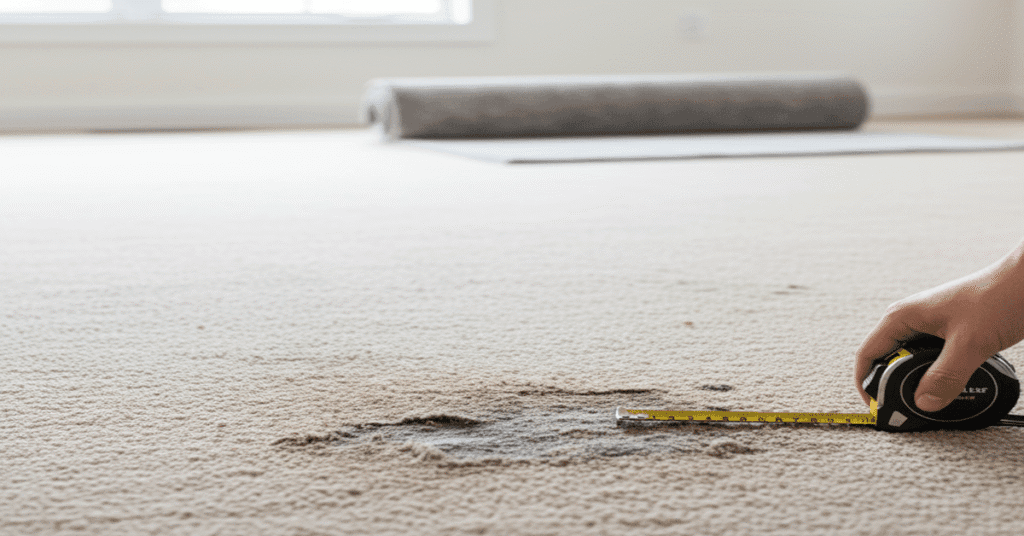
Look near windows, exterior walls, under beds, by bathrooms, and anywhere there has been a past leak. If the carpet feels cool, damp, or smells earthy, moisture may be trapped underneath.
Lift a corner if you can
If possible, inspect the backing and pad. Discoloration, black spotting, crumbling pad, or obvious dampness are warning signs and may match common signs of mold hiding in carpet.
Track symptoms by room
Notice whether your symptoms flare up in one specific room and improve when you spend time elsewhere.
Measure indoor humidity
The CDC recommends keeping indoor humidity at no higher than 50 percent to limit mold growth.
Consider an indoor air quality inspection
If symptoms persist or you suspect mold after water damage, a qualified indoor air quality or mold professional can help identify moisture and contamination issues. In many cases, visible mold, odor, and moisture history matter more than expensive sampling alone. The CDC notes there are no set standards for acceptable mold quantities in a home and emphasizes removal and moisture control.
How to reduce carpet-related health risks without replacing it
If the carpet is dry and structurally sound, these steps can make a real difference.
Vacuum the right way
Use a sealed vacuum with a HEPA filter. Vacuum slowly and make overlapping passes, especially in bedrooms, hallways, and around upholstered furniture. The American Lung Association recommends frequent HEPA vacuuming when carpet cannot be avoided.
Keep humidity under control
Aim for indoor humidity between 30 and 50 percent. Use bathroom fans, kitchen ventilation, and a dehumidifier in damp rooms or basements. High humidity makes mold and dust mite problems more likely.
Clean spills immediately
Dry wet spots fast. If padding underneath has been soaked and cannot be dried promptly, replacement is often safer than trying to save it.
Deep clean carefully
Professional hot water extraction can help remove embedded soil and allergens, but over-wetting carpet can make things worse and is one reason when cleaning can accidentally lead to mold. Make sure the carpet dries quickly and completely.
Improve ventilation
Open windows when weather allows, especially during and after vacuuming or cleaning. Better airflow reduces particle buildup and helps disperse odors, and it also helps you dry the carpet faster after washing.
Use an air purifier if needed
A good air purifier can help reduce airborne particles after they are stirred up, though it will not fix a moldy or contaminated carpet.
When cleaning is not enough
Sometimes the healthiest option is replacement.
You should strongly consider replacing old carpet if:
- It smells musty after repeated cleaning
- It was soaked by flooding or a major leak
- Mold is visible on the backing, pad, or subfloor
- Allergy or asthma symptoms keep returning in that room
- The carpet is badly worn, matted, or shedding
- The pad is deteriorating or contaminated by pet urine
The CDC specifically advises removing or replacing carpets and upholstery that have been soaked and cannot be dried right away, and advises against using carpet in moisture-prone areas such as bathrooms or basements.
Is carpet or hard flooring better for allergies?
For many allergy sufferers, hard flooring is easier to keep clean because it does not hold onto particles the way carpet does. The American Lung Association recommends hard-surfaced flooring when possible and suggests removable rugs over wall-to-wall carpet if you want a softer surface that can be cleaned more thoroughly.
That said, carpet is not always a deal-breaker. If you prefer carpet, low-pile options in dry rooms are generally easier to maintain than thick, shaggy styles.
How to choose a healthier replacement carpet
If you do replace the carpet, look for materials and installation products designed for lower chemical emissions. If you are narrowing down fibre type, this comparison helps with choosing between common synthetic fibres.
Helpful labels include:
- CRI Green Label Plus, which identifies carpet, cushion, and adhesive products that meet very low VOC emissions standards
- UL GREENGUARD Gold, which sets lower VOC emission limits and is intended to offer added protection for more sensitive groups such as children
Also look for:
- Low-pile carpet
- Low-emission adhesive
- Carpet pad designed for indoor air quality
- Products intended for dry, well-ventilated spaces
- Manufacturer guidance on cleaning and drying
Removing old carpet safely
If the carpet may be moldy, dusty, or contaminated, removal can stir up a lot of debris.
Take these precautions:
- Wear gloves, eye protection, and at least an N95 mask
- Isolate the room as much as possible
- Roll carpet slowly to limit dust release
- Bag sections right away
- Vacuum exposed surfaces with a HEPA vacuum after removal
- Address moisture before installing anything new
If the home is older and you suspect hazardous materials in adhesives, mastics, or other flooring layers, contact a qualified professional before disturbing them.

Frequently asked questions
Can old carpet cause headaches?
It can. If the carpet is holding mold, dust, odors, or chemical residues, those irritants may contribute to headaches, throat irritation, or general discomfort in sensitive people. VOC exposure and poor indoor air quality are common reasons people notice symptoms indoors.
Can mold in carpet make you sick?
Yes. Mold exposure can cause coughing, wheezing, nasal symptoms, eye irritation, and skin reactions, especially in people with asthma, allergies, or chronic lung disease.
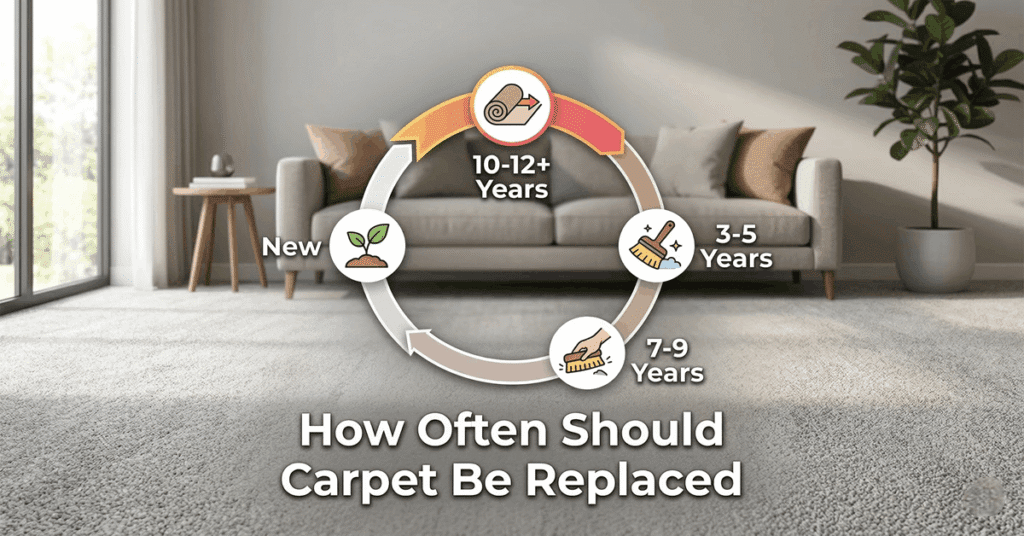
How often should carpet be replaced?
There is no universal rule, but carpet that is more than 10 years old, heavily worn, repeatedly wet, or tied to recurring symptoms is a strong candidate for replacement. Older carpets tend to hold more pollutants and allergens.
Is new carpet worse than old carpet?
New carpet is more associated with short-term VOC off-gassing, while old carpet is more associated with trapped allergens, embedded dirt, moisture damage, and re-released pollutants. Which one is worse depends on the product and the condition of the room.
Can vacuuming old carpet make symptoms worse?
Temporarily, yes. Walking and vacuuming can resuspend particles trapped in the fibers. That is why a sealed HEPA vacuum and good ventilation matter.
The bottom line
Can old carpet make you sick? Yes, it can, especially when it is damp, dirty, moldy, or simply too worn to clean effectively anymore. The biggest risks usually come from allergens, hidden moisture, mold growth, and trapped pollutants that keep cycling back into the air.
If your carpet smells musty, triggers symptoms in one room, or stayed wet after a leak or flood, do not ignore it. Start with moisture control, HEPA vacuuming, and proper cleaning. But if the problem keeps returning, replacing the carpet may be the healthiest and most practical solution.