Disclosure: Classy Floor is reader-supported. As an Amazon Associate, we earn from qualifying purchases. We may also earn commissions from other affiliate programs, at no additional cost to you. Learn more →
Choosing carpet vs engineered hardwood depends on what you value most: comfort and quiet, or long-term durability and easy cleanup. Carpet feels warmer and softer, while engineered hardwood handles everyday messes better and typically boosts buyer appeal. Many homeowners mix both, wood in main areas, carpet in bedrooms, for a balanced, livable home.
Flooring is one of the most visible upgrades in a home, but it’s also one of the most used. If you’re weighing carpet vs engineered hardwood, you’re choosing between two different day-to-day experiences: how it feels underfoot, how it sounds, and how it fits your routine.
This guide compares cost, durability, maintenance, indoor air quality, and room-by-room performance so you can choose with confidence (and fewer regrets after installation).
Carpet and engineered hardwood: what you’re really choosing
Carpet and engineered hardwood can both look beautiful, but they behave differently because they’re built differently. The best decision usually comes down to how you live in the space, not what looks best in a showroom.
Carpet basics: pile, fiber, and pad
Most carpet falls into two constructions: loop pile and cut pile, each with different durability, texture, and maintenance needs, as explained in this comparison of loop pile vs cut pile carpet.
Here’s how the common styles tend to perform in real rooms:
- Berber loop: dense and durable, but less plush.
- Level loop: tight, uniform loops that handle traffic well.
- Multi-level loop: textured pattern that hides wear better over time.
- Saxony: smooth and soft, but it shows footprints and can crush in busy areas.
- Twist/texture: casual look that hides marks and cleans up well.
- Frieze: curly and cozy, but can fuzz or mat in heavy traffic.
- Patterned cut-and-loop: mixed construction that adds design and hides wear.
Fiber matters as much as style. Nylon usually wins for durability, while polyester often appeals for softness and affordability. If you’re choosing between the two, this breakdown of nylon vs polyester carpet fibers explains the real-world tradeoffs.
Don’t overlook the pad. The right padding can make a mid-range carpet feel better, reduce noise, and improve how long the carpet keeps its shape.
Engineered hardwood basics: layers, wear layer, and finish
Engineered hardwood uses a real wood veneer on top of a layered core designed for stability. That layered build is why it can work in places solid hardwood often can’t—like over concrete slabs or with radiant heat setups, depending on the product and install method.
Quality varies widely, and two specs tell you a lot fast: the thickness of the top wear layer and the quality of the factory finish. Some engineered hardwood can be refinished, but not all, manufacturers and the National Wood Flooring Association (NWFA) even have programs to identify engineered products that are built to be refinishable.
Cost in 2026: upfront price vs lifetime value
In most markets, carpet is cheaper to install upfront, while engineered hardwood usually costs more but can stretch farther over time. HomeGuide lists installed carpet at about $2–$8 per square foot and engineered hardwood at about $7–$20 per square foot, with real variation based on materials, room layout, and prep work.
Here’s a practical way to think about it: if you plan to stay in your home for years, replacement cycles matter. HomeGuide estimates carpet often lasts around 5–10 years, while engineered hardwood commonly lasts longer (often decades with good care).
| Budget factor | Carpet | Engineered hardwood |
| Typical installed cost | $2–$8 per sq. ft. | $7–$20 per sq. ft. |
| Typical lifespan | Often 5–10 years | Often 20–30+ years; some guides cite 50 with good care |
| Common add-ons | Pad, removal/disposal, stairs labor | Underlayment, moisture barrier, leveling, transitions |
If you want a tighter estimate, HomeAdvisor pegs engineered hardwood projects around an average $6,750 for about 500 square feet (with a wide variation), which can help you sanity-check local bids.

Durability and damage: traffic, pets, spills, and sunlight
Durability isn’t one feature, it’s a bundle of tradeoffs. Carpet resists scratches and can feel forgiving, but it can stain, mat down, and hold onto odors if messes sit too long. Engineered hardwood resists stains from everyday dry dirt better because debris sits on the surface, but it can scratch or dent under grit, pet nails, or dragged furniture.
Spills are the deciding factor for many homes. Carpet can absorb liquids quickly, while engineered hardwood can handle small, wiped-up spills, but standing water can still cause problems, especially at seams and edges. Even hardwood-focused guides caution that wood floors aren’t a great match for constant moisture areas.
Refinishing and repair options
Carpet repair usually means spot cleaning, patching a section, or replacing a room when wear becomes obvious. It’s straightforward, but you can’t “restore” carpet the way you can restore wood.
Engineered hardwood may be easier to keep looking new if it’s built with a refinishable wear layer. The NWFA’s refinishable program exists specifically because veneer thickness varies, and not every engineered floor can be sanded and refinished safely.
Comfort and sound: what it feels like day to day
Carpet wins on softness, warmth, and impact noise. With a quality pad, it can reduce footstep sound and help rooms feel quieter, one reason it’s common in bedrooms and upstairs spaces.
Engineered hardwood feels firmer and can sound echoey in open layouts, but you can change that experience fast with rugs, runners, and underlayment. Homes & Gardens also notes the comfort tradeoff plainly: hardwood can feel colder in winter, while carpet naturally feels cozier underfoot.
Cleaning and maintenance: the routines you’ll actually keep
A floor is only “low maintenance” if it fits your habits. The best option is the one you’ll realistically care for on busy weeks.
Carpet maintenance is mostly about consistency: vacuum often, spot-clean quickly, and schedule deeper cleaning when traffic patterns start to show, and follow best practices for drying carpet after deep cleaning to avoid odor and moisture issues. If you have kids, pets, or frequent entertaining, choose textures and colors that hide day-to-day life rather than fighting it.
Engineered hardwood stays cleaner-feeling because dirt sits on top, but you still need to protect the finish. Many home improvement guides recommend avoiding excess water and skipping steam cleaning to reduce the risk of damage.
Indoor air quality and allergies: how to make either option healthier
Allergies are nuanced with flooring. Research reviews have reported that carpets can hold more dust and allergens than hard floors and may contribute to symptoms for some people, especially if cleaning is inconsistent.
At the same time, industry-sponsored chamber studies and guidance argue that carpet can reduce what becomes airborne when it’s properly maintained, meaning the “best” floor may depend on how often you vacuum and deep clean.
VOCs matter for both options. The EPA notes that VOC concentrations can be higher indoors than outdoors and that many household materials can contribute, including finishes and adhesives.
If indoor air quality is a priority in your home, use this short checklist to choose lower-emission materials:
- Look for CRI Green Label Plus carpet, cushion, and adhesives for low chemical emissions.
- Ventilate aggressively during and after installation, especially in the first days.
- Ask about the core materials in engineered hardwood and verify TSCA Title VI labeling for composite wood components.
- Choose finishes and cleaners designed for wood flooring to avoid residue buildup and unnecessary chemicals.
- Keep entry mats at doors and remove shoes to cut grit, pollen, and dander before it spreads.

Sustainability and environmental impact: what to look for
Neither option is automatically “green,” but you can make better choices with a few labels and programs.
For engineered hardwood, look for credible sourcing signals like FSC labeling, which indicates wood comes from responsibly managed sources (or recycled material, depending on the specific FSC label).
For carpet, recycling options depend on where you live and what type of carpet you have. In California, CalRecycle oversees a carpet stewardship program run by CARE (Carpet America Recovery Effort) to increase reuse and recycling of post-consumer carpet.
Where each flooring wins: room-by-room recommendations
Most homeowners don’t need to choose one flooring for every space. A mixed approach often performs best and feels more comfortable.
Bedrooms and nurseries
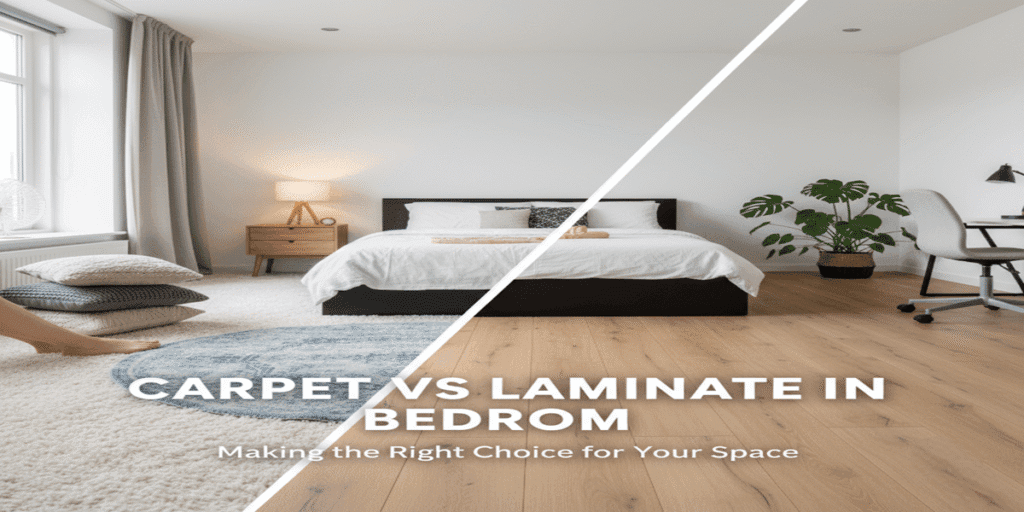
Carpet is hard to beat here if warmth, quiet, and a soft landing matter. Homeowners deciding between carpet and laminate flooring in bedrooms often prioritize comfort over long-term durability. If you prefer engineered hardwood for a cleaner look, add a large area rug to keep mornings warmer and the room quieter.
Living rooms, dining rooms, and open-concept spaces
Engineered hardwood usually wins in main living areas because it’s easier to keep looking clean and works well with flexible décor. You can still keep it cozy with rugs in seating zones.
Stairs and hallways
Carpet often makes stairs safer and quieter, especially in multi-story homes. When comparing carpet versus hardwood on stairs, traction, noise, and long-term wear are usually the deciding factors. If you choose engineered hardwood on stairs, plan for runners or grip solutions and expect more footstep noise.
Home offices
Rolling chairs and constant movement can crush carpet over time. Engineered hardwood tends to work better for desks and chairs, especially with a chair mat and felt pads on furniture legs.
Basements and below-grade rooms
Engineered hardwood can work in basements in the right conditions because it’s generally more stable than solid hardwood, but moisture control is non-negotiable. Choose it only if your space stays dry, you have a proper moisture barrier, and the product warranty allows below-grade installs.
If your basement has a history of dampness or water events, carpet can become a mold risk if it gets wet and stays wet. In those cases, consider other moisture-tolerant floors instead. Knowing the signs of mold in carpet can help you decide whether carpet is realistic for below-grade rooms.
Kitchens, bathrooms, and laundry areas
Bathrooms are a poor fit for both carpet and most engineered hardwood because constant water exposure is tough on fibers, backing, and wood seams. Some brands market “waterproof” wood-style products, but don’t assume engineered hardwood is waterproof, verify the warranty and specs carefully.
Installation and planning: avoid the common regrets
A great product can still fail with a rushed install. Before you commit, focus on the details that cause most of the “I wish I’d known” moments.
Here are the checks that prevent the biggest flooring mistakes:
- Confirm your subfloor is flat, dry, and ready (especially on concrete).
- Measure door clearance and plan transitions at room changes.
- Choose padding/underlayment based on the room’s needs, not just price.
- Match durability to real traffic patterns, pets, and kids.
- Read the warranty for water, scratches, wear, and stair coverage.
- Bring home samples and view them in your lighting morning and night.
- Decide upfront whether you’ll DIY or hire a pro, carpet stretching and wood layout both punish shortcuts.
Design and resale: what buyers tend to favor
If resale value matters, wood floors generally perform better than carpet in buyer perception, especially when carpet is older or shows wear. Bob Vila notes that hardwood floors are typically more popular with buyers and that homeowners may see a substantial return on investment for wood flooring upgrades.
For engineered hardwood specifically, HomeAdvisor reports that engineered hardwood projects can offer up to 118% ROI in some cases, though the actual return depends heavily on local market expectations and the quality of the installation.
Carpet still makes sense in the right places. Many homes use it strategically in private rooms where comfort and quiet matter more than showpiece aesthetics.
Conclusion
The best flooring choice isn’t universal, it’s personal. If you want softness, warmth, and sound control, carpet is often the better daily experience. If you want a timeless look, easier surface cleaning, and stronger long-term value, engineered hardwood usually fits better. For many homes, the smartest answer to carpet vs engineered hardwood is a blend that matches each room’s job.

FAQ: carpet vs engineered hardwood
Is engineered hardwood waterproof?
Most engineered hardwood isn’t waterproof, and standing water can still damage seams and edges. Some brands offer more water-resistant or “waterproof” wood-style options, but you should rely on the product warranty and specs, not assumptions.
Can engineered hardwood be refinished?
Sometimes. Refinishing depends on the thickness of the real wood wear layer and the product design, which is why the NWFA maintains programs to identify engineered floors that are built to be refinishable.
Is carpet or engineered hardwood better for pets?
Engineered hardwood is easier for pet hair cleanup and odor control, but it can show scratches if you don’t manage grit and nails. Carpet hides scratches but can hold onto odors and stains if accidents happen, so stain-resistant fibers and fast cleanup matter.
What’s better for allergies: carpet or engineered hardwood?
Hard floors are easier to wipe clean, and research reviews have linked carpets with higher dust and allergen load in some settings. That said, well-maintained carpet may reduce what becomes airborne, so cleaning habits can be the deciding factor in real homes.
Can I install engineered hardwood over concrete or radiant heat?
Many engineered hardwood products can be installed over concrete slabs and may be compatible with radiant heat, but installation method and warranty language matter. Always confirm moisture barrier requirements and manufacturer approval.
Is engineered hardwood good for basements?
It can be, if the basement stays dry and you control moisture with proper prep and barriers. If you deal with dampness or periodic water, you’ll likely need a more moisture-tolerant flooring choice.